 By Laura Caiswell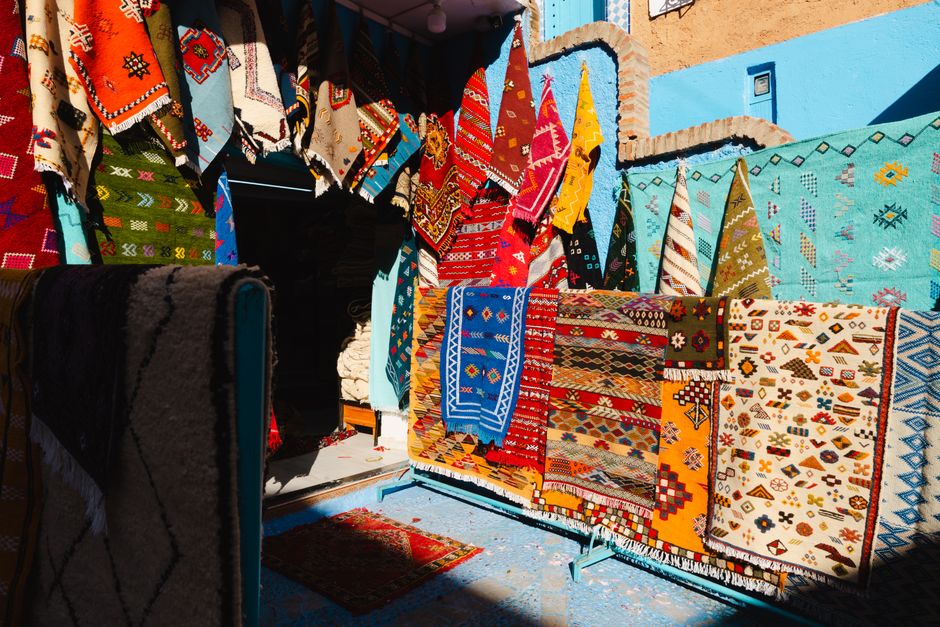
Most travelers assume Marrakech is Morocco’s cultural capital because it’s louder about it. The snake charmers, the Instagram riads, the name-dropping in design magazines. But assuming volume equals depth is the first mistake culture-focused visitors make when choosing between these two cities. Fes doesn’t perform its heritage—it lives it, often behind closed doors you’ll need patience to open. The question isn’t which city is better. The question is which version of cultural immersion you’re actually willing to work for.
The Performance vs. Preservation Divide
Marrakech has mastered the art of cultural accessibility. The Jemaa el-Fna square delivers a sensory overload that requires zero effort from you—just show up at dusk and the show begins. Storytellers, juice carts, henna artists, and grilled meat smoke create what feels like authentic chaos. But here’s what veteran Morocco travelers eventually recognize: much of what happens in that square is now performed for tourists, not sustained for locals.
Fes operates differently. The Fes el-Bali medina, a UNESCO World Heritage site with over 9,000 alleys, doesn’t orient itself toward visitors. Donkeys still carry leather hides to the Chouara Tannery using routes established centuries ago. Artisans at the Seffarine Square hammer copper using techniques their great-grandfathers taught them—and they’ll ignore you completely unless you’re buying. That indifference is precisely what makes Fes feel more culturally intact.
The tradeoff is real. Marrakech rewards the casual visitor with immediate, photogenic cultural moments. Fes punishes the impatient and rewards those who stay long enough to be noticed.
What Each City’s Medina Actually Reveals
Marrakech: Commerce Wearing History’s Clothes
The Marrakech medina is a UNESCO site too, but walk its main arteries and you’ll find roughly 40% of stalls selling goods aimed squarely at foreign wallets—leather poufs, argan oil, ceramic tagines in colors no Moroccan kitchen actually uses. This isn’t a criticism. It’s a function of demand. The medina has adapted to survive, and that adaptation tells its own cultural story about globalization and economic pressure.
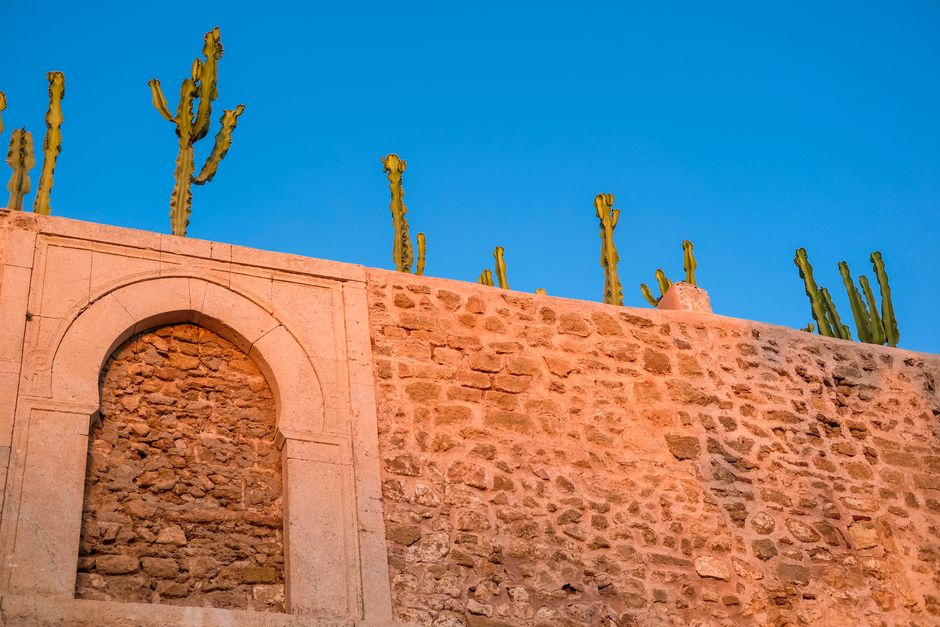
What’s genuinely worth your time: the Mellah (old Jewish quarter) with its distinct architecture and the 16th-century Saadian Tombs, which were sealed for centuries and only rediscovered in 1917. The Ben Youssef Madrasa, recently restored and reopened, offers some of the finest examples of Marinid craftsmanship you’ll see anywhere—intricate zellige tilework, carved cedar, and stucco that rival Fes’s best.
Fes: The Living Workshop
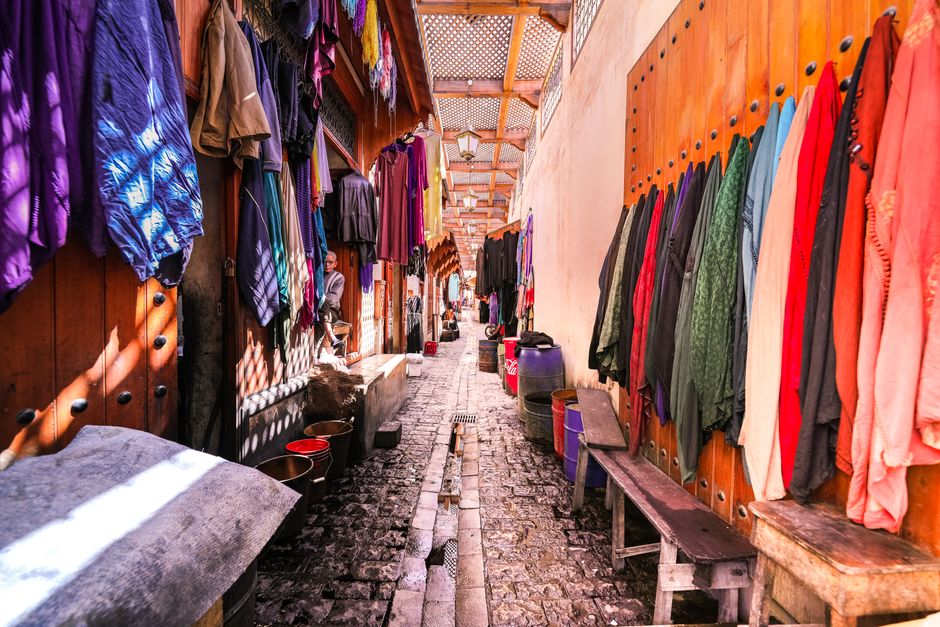
Fes el-Bali is the largest car-free urban area in the world. That fact alone shapes the experience. No scooters weaving through crowds. Instead, mules carrying everything from propane tanks to sacks of flour. The medina isn’t curated for you—you’re walking through a functioning city where people buy vegetables, send children to Quranic school, and argue with neighbors, all while you navigate with Google Maps that’s wrong about 30% of the time.
The Bou Inania Madrasa here predates Marrakech’s Ben Youssef by about 200 years and remains an active religious site. Non-Muslims can enter the courtyard. The experience feels less like a museum visit and more like trespassing on something still sacred, which it is.
| Cultural Factor | Marrakech | Fes |
|---|---|---|
| Medina authenticity | Tourist-adapted core, genuine residential edges | Overwhelmingly residential and artisanal throughout |
| Artisan visibility | Curated workshops, some staged for visitors | Working tanneries, foundries, and textile workshops operating regardless of audience |
| Ease of cultural access | High—monuments are clearly signposted, English widely spoken | Low—requires guides, persistence, or Arabic/French |
| UNESCO sites | Medina (1985) | Medina (1981), one of the first protected medinas globally |
| Best for | First-time Morocco visitors wanting culture without friction | Repeat visitors or dedicated culture researchers willing to earn access |
The Craft Argument: Where Skills Survive Unstaged
Morocco’s craft traditions—zellige tilework, plaster carving, leather tanning, textile weaving—exist in both cities. The difference is in how you encounter them.
In Marrakech, you’ll be invited into workshops where an English-speaking guide explains the process, offers mint tea, and gently steers you toward the showroom. The craftsmanship is often excellent. The experience is designed. You’ll learn something, buy something if you want, and leave with a clear understanding of what you saw.
In Fes, you’ll smell the Chouara Tannery before you see it. Pigeon droppings and cow urine are still used in the curing process—the same method for over 900 years. You’ll be handed a sprig of mint to hold under your nose and led to a leather shop balcony to look down at stone vats filled with dyes in colors that haven’t changed formula in generations. No one will explain anything unless you ask. The workers won’t pose. This isn’t a demonstration—it’s Tuesday.
For culture purists, Fes wins the craft argument decisively. The processes here remain economically functional, not touristically preserved. That distinction matters if you’re traveling to understand how traditions survive, not just to photograph them.
When Marrakech Is the Clear Winner
Fes partisans (I’m often one) can get smug. But there are specific cultural experiences Marrakech does better, and pretending otherwise serves no one.
Contemporary Moroccan art lives in Marrakech. The MACAAL (Museum of African Contemporary Art Al Maaden) and the Yves Saint Laurent Museum—opened in 2017 near the Jardin Majorelle—showcase Morocco’s modern creative output in ways Fes simply doesn’t match. Fes guards its past. Marrakech, for all its tourist-clogged arteries, has a pulse on what Moroccan artists are producing right now.
Marrakech also wins on music. The annual Marrakech International Film Festival draws global attention, but year-round you’ll find Gnawa music performances in venues ranging from riad courtyards to the streets of the medina. Fes has its own World Sacred Music Festival each June, but outside that window, Marrakech offers more consistent access to living musical traditions.
If your cultural interests extend beyond the medieval into the modern, Marrakech provides a fuller picture of Morocco as it actually is—not just as it was.
The Mistake That Ruins Both Cities
Rushing. It’s the single most common error, and it damages the experience in both places equally but differently.
In Marrakech, a rushed visit means you see only the performed culture—the snake charmers who charge for photos, the henna artists who grab your hand without asking, the restaurant touts who inflate prices 300%. Two days in Marrakech gives you a theme park version of Morocco. Four days lets you reach the edges where real life happens: the Gueliz district’s bookshops and cafes, the Palmeraie’s slower rhythms, the morning markets before tourists wake.
In Fes, rushing is worse. The medina’s 9,000 alleys were designed to confuse outsiders—it was a defense mechanism. With two days, you’ll spend most of your time lost, frustrated, and vulnerable to the faux guides who cluster at Bab Bou Jeloud offering “help” that ends with a demand for payment. Fes requires a minimum of four days just to stop feeling disoriented. Five or six days is better. The city reveals itself slowly, and only to those who stay.
Both cities punish short itineraries. Marrakech punishes with superficiality. Fes punishes with genuine disorientation and occasional hostility from residents tired of lost tourists blocking their doorways.
A Practical Verdict for 2026 Travelers
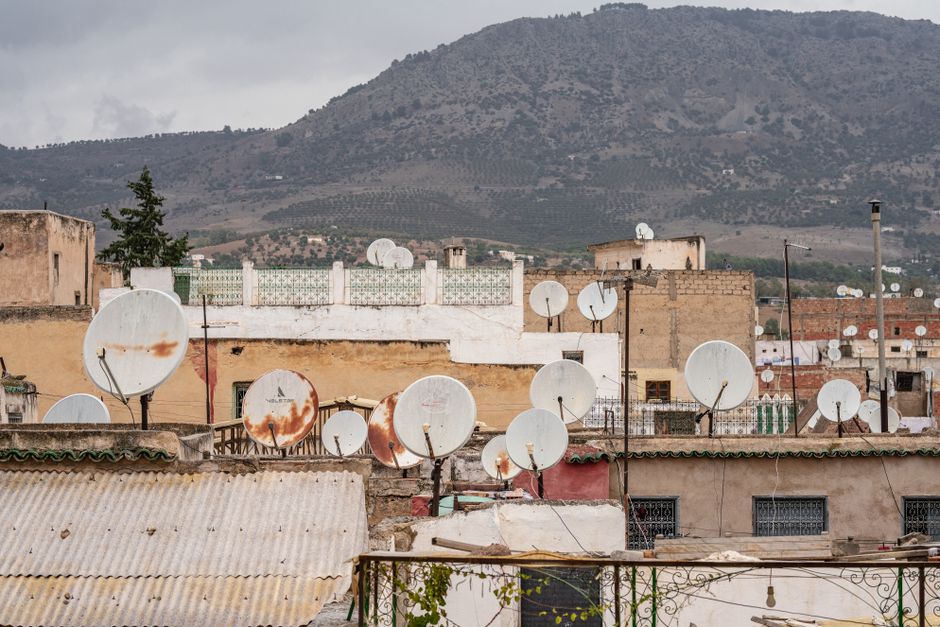
Two things are shifting in 2026 that affect this decision. First, Morocco’s tourism infrastructure continues expanding post-earthquake recovery efforts from 2026. Marrakech saw faster rebuilding due to its economic importance. Fes, less damaged initially, has seen slower investment in visitor amenities. Second, overtourism in Marrakech is reaching a genuine tipping point—the medina’s main arteries in peak months (March-May, October-November) now see crowd densities that make cultural appreciation difficult.
Fes remains less crowded. That alone may decide it for some culture-focused travelers.
Here’s the clearest guidance I can offer:
- Choose Marrakech if you have 3-4 days, want cultural experiences with lower friction, and care about contemporary Moroccan art and music alongside historical sites. You’ll find genuine culture, but you’ll need to actively filter out the performed version.
- Choose Fes if you have 5+ days, don’t mind being ignored or occasionally lost, and prioritize witnessing living traditions over having them explained. The cultural density per square meter is higher here, but access requires patience.
- Do both if you have 10+ days. The train between them takes about 6.5 hours. Start in Marrakech for the accessible introduction, then go to Fes for the deeper dive. The contrast will teach you more about Morocco than either city alone.
The Question Behind the Question
What travelers asking “Marrakech or Fes?” usually mean is: Where will I find the real Morocco?
Neither city holds a monopoly on that. The real Morocco exists in the tension between them—between performance and preservation, between adapting to global tourism and refusing to bend. Marrakech bends more. Fes bends less. Your preference depends on willing to trade ease for depth, and whether you have the time to make that trade worthwhile.
If you can only visit one and culture is your priority, Fes delivers more of what it promises—but only if you promise it enough time in return. Book at least five nights. Hire a licensed guide through your riad for the first full day (expect to pay around 300-400 MAD, roughly $30-40). Let the second day be aimless wandering. By day three, the medina starts to feel like a place rather than a puzzle.
That’s when the culture actually begins.