 By Laura Caiswell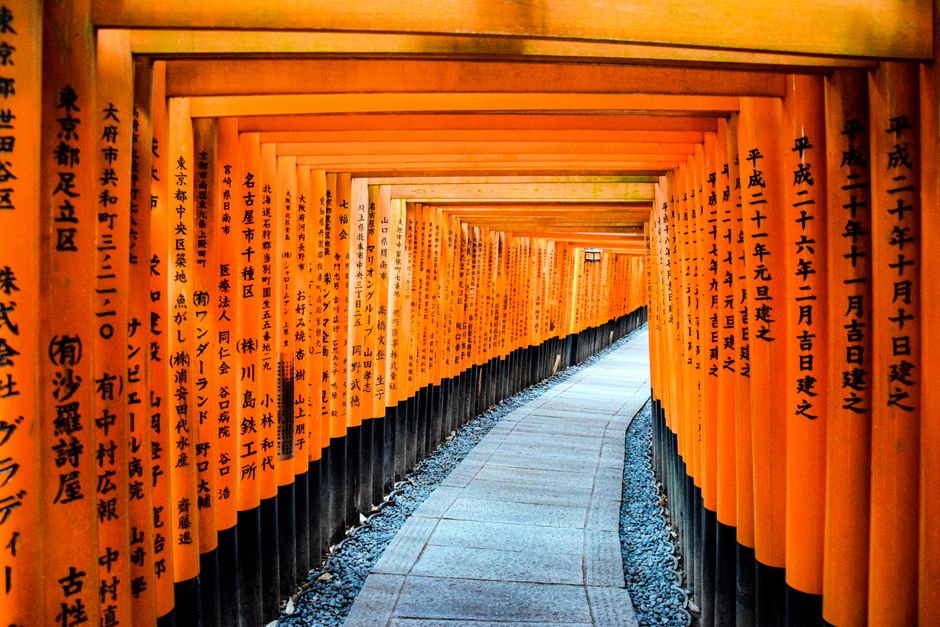
Kyoto’s price tag scares people. They hear “Japan” and picture ¥40,000 omakase dinners and ryokans that cost more than their mortgage. That version of Kyoto exists. It’s also completely optional. A mid-range budget here—think ¥15,000-¥22,000 per day including accommodation, food, transport, and entry fees—gets you 90% of the experience. The missing 10% is mostly bragging rights and gold leaf.
I spent three weeks in Kyoto in early 2026 testing exactly where the mid-range line blurs into budget and where it bumps against luxury. This itinerary is the result. It assumes you want temples, walking streets, good food, and one single splurge meal—not a backpacker dorm situation, not the Ritz-Carlton. Let’s build a week that actually works.
The ¥18,000/Day Breakdown: Where Money Actually Goes
Most Kyoto budget guides are vague about numbers. They say “affordable” and mean anything from ¥5,000 to ¥50,000. That’s useless. Here’s the real daily spend for a mid-range traveler in 2026, based on current exchange rates (roughly ¥145 to $1 USD).
| Category | Daily Cost (¥) | Notes |
|---|---|---|
| Accommodation | ¥8,000–¥12,000 | Private room in guesthouse, budget business hotel like Sotetsu Fresa Inn Kyoto-Shijokarasuma, or Airbnb within 15-min walk of a station |
| Food | ¥4,000–¥6,000 | Konbini breakfast (¥500), casual lunch (¥1,200), mid-range dinner (¥2,500–¥3,500), plus matcha/snacks |
| Transport | ¥1,200–¥1,800 | Kyoto City Bus & Kyoto Subway 1-Day Pass (¥1,100) plus occasional taxi split between two people |
| Attractions | ¥1,500–¥2,500 | 2–3 temple entries at ¥400–¥600 each, plus one premium garden or special exhibit |
| Misc | ¥1,000–¥2,000 | Coffee, sake tasting, small souvenir, onsen entry |
Total: ¥15,700–¥24,300. I averaged ¥18,400. The single biggest lever you control is accommodation—shifting from a western chain hotel near Kyoto Station to a Japanese-run guesthouse north of Gojo-dori cuts ¥4,000/night without sacrificing privacy or cleanliness.
When This Budget Breaks
Two things destroy this math fast. First, taxis after midnight—Kyoto buses stop around 11pm, and a ¥3,500 ride from Pontocho to your hotel eats an entire meal budget. Second, the “just one nice dinner” trap. A kaiseki meal at a mid-tier restaurant like Gion Karyo runs ¥12,000–¥15,000 per person. That’s fine once. Book it on Day 5 or 6. Don’t let it become three nights.
Day-by-Day Itinerary: Temples Before Tourists, Food After Dark
Kyoto’s biggest failure mode is bad scheduling. You cannot see Fushimi Inari at 11am and Kinkaku-ji at 2pm and call it a good day—you’ll spend it shoulder-to-shoulder with tour buses. This itinerary front-loads early mornings, clusters neighborhoods, and leaves afternoons flexible for wandering. The wandering is the point.
Day 1: Arrival + Nishiki Market Orientation
If you’re coming from Kansai Airport, take the JR Haruka limited express to Kyoto Station (¥2,850, 75 minutes). From the station, grab a Kyoto City Bus & Subway 1-Day Pass at the tourist information center—not the machine. The human counter sells a version that includes the bus to Kinkaku-ji, which the machine version doesn’t.
Check into your accommodation, then walk Nishiki Market around 3pm. It’s crowded, yes, but it’s the single best introduction to Kyoto’s food culture. Eat skewered ayu (sweetfish, ¥400), a dashimaki tamago roll (¥300), and a matcha warabi mochi from Sawawa (¥500). Dinner at Chao Chao Sanjo Kiyamachi for gyoza—¥1,800 feeds two people.
Day 2: Higashiyama Walking Route (The Classic, Done Right)
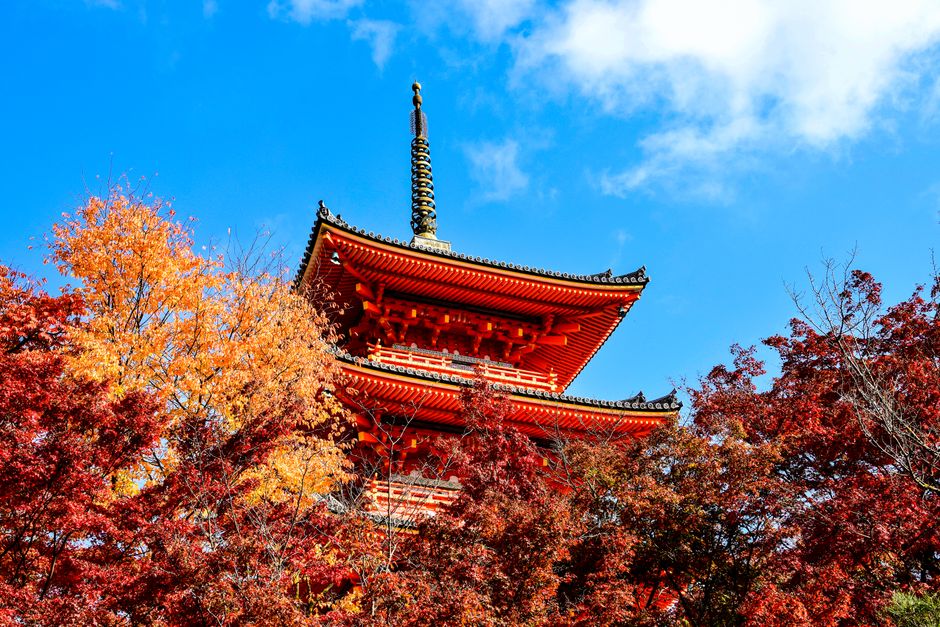
Start at Kiyomizu-dera at 6:45am. Gates open at 6am. By 7:30am you’ll have the wooden stage nearly to yourself. Entry is ¥500. Walk down Sannenzaka and Ninenzaka before the souvenir shops open—the empty slope at 8am is a completely different experience than the human traffic jam at 11am.
Continue to Kodai-ji (¥600, excellent zen garden) then Yasaka Shrine (free). Lunch at Omen Kodai-ji for udon—the ¥1,800 set with seasonal vegetables is the move. Afternoon: walk the Philosopher’s Path south-to-north, ending at Ginkaku-ji (¥500). The silver pavilion itself is underwhelming. The moss garden is not. Total walking: about 8km. Wear real shoes.
Day 3: Arashiyama Without the Bamboo Groove Despair
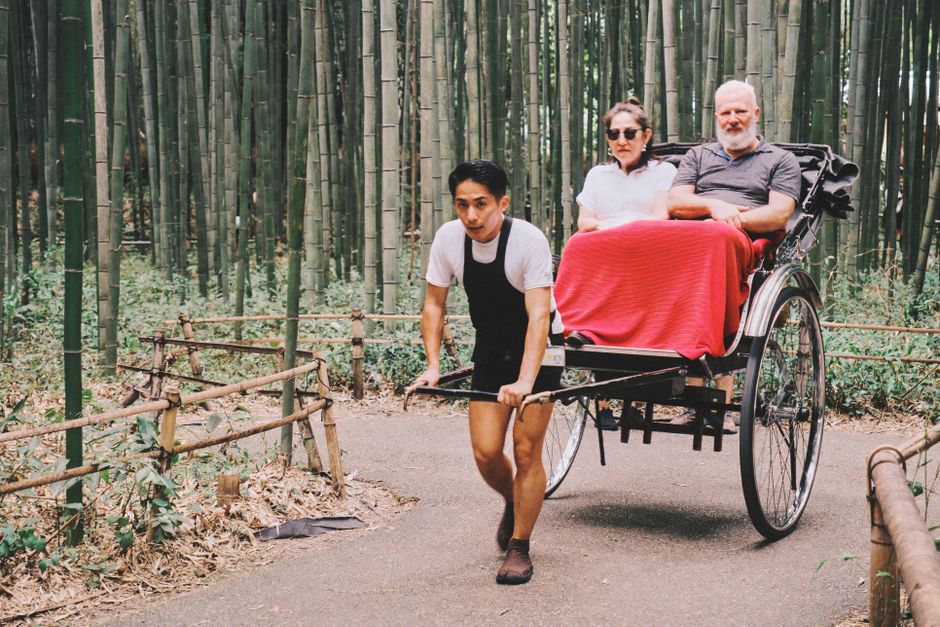
The bamboo grove at 10am is a 4-meter-wide path with 400 people on it. Go at 6:30am or skip it entirely. I’m serious. If you can’t do early morning, go directly to Okochi Sanso Villa (¥1,000, includes matcha and a sweet). It’s 50 meters from the bamboo grove entrance and 95% of tourists walk right past it. The garden was filmmaker Denjiro Okochi’s private estate. You get panoramic views of Kyoto with maybe six other people.
After: Tenryu-ji (¥500, the garden, not the building), then cross the Togetsukyo Bridge and hike up to the Iwatayama Monkey Park (¥600). The 20-minute climb is steep. The monkeys are free-roaming and completely indifferent to you. Lunch at Arashiyama Yoshimura for soba with a river view—¥2,000 for the tenzaru set.
Afternoon: take the Randen tram (¥250) to Ryoan-ji. The rock garden is ¥600. Sit for 15 minutes. You won’t “get” it. That’s fine. No one does.
The Neighborhood That Cuts Your Accommodation Cost by 30%
Stay north of Kyoto Station but south of Gojo-dori. The area around Shimogyo-ku near the Kamo River has guesthouses and small hotels at ¥7,000–¥9,000/night for a private room with shared bath—clean, quiet, 10-minute walk to Kawaramachi. Three specific options I’ve stayed at: Guesthouse Soi (¥7,500/night, free coffee, coin laundry), The Millennials Kyoto (¥8,500, pod-style but private, free beer hour), and Santiago Guesthouse Kyoto (¥6,800, basic but spotless).
This neighborhood also puts you walking distance to the Kamo River. In spring and fall, buy konbini beer and sit on the riverbank at sunset. It costs ¥300 and it’s the best seat in the city.
Day 4–7: The Back Half Where Most Itineraries Fall Apart
Days 4 through 7 are where trip fatigue sets in and people default to “let’s just see another temple.” Don’t. Kyoto’s back half rewards variety.
Day 4: Fushimi Inari + Sake District
Fushimi Inari at 6:30am. Walk through the first two torii gate tunnels, then keep going. 95% of visitors turn back after 20 minutes. The full loop to the summit takes 2–3 hours and the upper trails are empty. You’ll share them with cats and the occasional jogger. After descending, walk 10 minutes to the Fushimi sake district. The Gekkeikan Okura Sake Museum (¥600, includes three tastings) is worth it. So is a bottle of their nigori sake (¥1,200) to drink by the river later.
Day 5: Kurama to Kibune Half-Day Hike + Your Splurge Dinner
Take the Eizan train to Kurama (¥420 from Demachiyanagi). The hike from Kurama-dera (¥500) over the mountain to Kibune takes about 90 minutes. You’ll pass through cedar forests and past small shrines. In Kibune, eat nagashi somen at Hirobun (¥1,800)—flowing noodles you catch with chopsticks. It’s gimmicky and genuinely fun. Return to Kyoto by 3pm. Rest. Tonight is your kaiseki dinner. Book Gion Nanba (¥13,000) or Gion Karyo (¥15,000). Both require reservations 2–3 weeks ahead.
Day 6: Northern Kyoto Temples + Sento
Kinkaku-ji opens at 9am. Be there at 8:50am. You’ll wait 10 minutes and enter with the first wave. The gold pavilion is exactly what you expect—photogenic, crowded, done in 30 minutes. From there, bus to Daitoku-ji (free to enter the complex, ¥400–¥600 per sub-temple). Daisen-in’s rock garden is the best in the compound. Fewer people, more contemplation. Afternoon: visit a sento (public bath). Funaoka Onsen (¥490) near Daitoku-ji is a 100-year-old bathhouse with tiled murals and electric baths. Read the etiquette rules before you go. Tattoos are technically not allowed, though small ones are often overlooked.
Day 7: Free Morning + Departure
Spend your last morning in whatever neighborhood you liked best. Buy the thing you’ve been eyeing all week—the ceramic cup, the indigo tenugui, the box of yatsuhashi. One final bowl of ramen at Ichiran or Ippudo near Kyoto Station (both ¥1,200–¥1,500). The Haruka train back to Kansai Airport runs every 30 minutes.
Transport Tactics That Save ¥3,000+ Over the Week
The Kyoto City Bus & Subway 1-Day Pass (¥1,100) pays for itself after three bus rides. Buses are ¥230 per ride, so four trips and you’re ahead. Buy it from the tourist information center, not the bus driver—the center version includes more routes. But here’s what nobody tells you: the pass does NOT cover Kyoto City buses to Arashiyama or Ohara. For those, you need the Kyoto Bus 1-Day Pass (a separate ¥800 pass) or just pay cash.
For the Randen tram to Arashiyama, use an ICOCA card (¥2,000 including ¥500 deposit, rechargeable). It works on every train, bus, and konbini purchase. Get it from any JR station ticket machine. Don’t bother with the Japan Rail Pass for a Kyoto-only week—it’s ¥50,000 for 7 days and you’ll never recoup that on local transit.
One taxi ride I recommend: from your hotel to Fushimi Inari at 6am if you’re staying more than 30 minutes away by bus. It’ll cost ¥1,500–¥2,000 and buys you an empty shrine. Worth it.
What the ¥8,000/Night Guesthouse Gets You That the ¥25,000 Hotel Doesn’t
This isn’t about saving money. It’s about information. Guesthouse owners in Kyoto—particularly the ones running 6–10 room operations—know which temples are under restoration, which restaurants just changed chefs, and which bus routes are detoured. Hotel front desks have a binder. Guesthouse owners have opinions. At Guesthouse Soi, the owner drew me a hand-drawn map to a 12-seat oden counter in a residential alley that served the best meal of my trip for ¥2,200. That doesn’t happen at the Hyatt.
The tradeoff is real: shared bathrooms, thinner walls, sometimes a 10pm noise curfew. If you’re a light sleeper or need 24-hour front desk service, book a business hotel like Sotetsu Fresa Inn Kyoto-Shijokarasuma (¥11,000/night) instead. It’s sterile but reliable. Just know you’re trading local knowledge for soundproofing.
One Splurge, One Skip, One Rule
Splurge: The kaiseki dinner on Day 5. ¥13,000–¥15,000. Book ahead. Don’t research it to death—pick Gion Nanba or Gion Karyo and commit. The meal will be 8–10 courses, seasonal, and unlike anything you eat the rest of the week.
Skip: The Sagano Romantic Train. It’s ¥880, it’s crowded, and the view is mostly the Hozugawa River that you already see from the Arashiyama riverbank for free. If you want a scenic train ride, the Eizan line to Kurama on Day 5 is prettier and costs ¥420.
Rule: One temple before 8am, every day. No exceptions. Kyoto rewards early risers more than any city I’ve visited. The difference between Kiyomizu-dera at 7am and 10am is the difference between meditation and a music festival.
Kyoto on a mid-range budget isn’t about deprivation. It’s about knowing which ¥600 temple garden delivers more than the ¥1,500 one, which neighborhood puts you closer to the real city, and which single meal is worth a week of konbini breakfasts. Spend on the things that linger—the kaiseki dinner, the hand-drawn map from a guesthouse owner, the empty shrine at dawn. Skip everything else.