 By Laura Caiswell
You land at Keflavík at 6:30 AM, jet-lagged, running on airplane coffee. The rental car agent hands you the keys to a Dacia Duster. You have exactly seven days to circle an entire country. The Ring Road—Route 1—stretches 1,332 kilometers. That math seems fine on paper. Two hours of driving a day, plenty of time for waterfalls.
Then you hit your first gravel detour. Then the wind picks up. Then someone in the car needs a bathroom and the next rest stop is 80 kilometers away.
Seven days is the minimum viable Ring Road trip. Not the ideal. The minimum. This itinerary treats it that way.
What the Ring Road Actually Costs in 2026
Prices in Iceland don’t drift up. They jump. Summer 2026 will be no different. Inflation and tourism demand push costs higher each year, and the days of finding a budget guesthouse for under $150 in August are gone.
Here is what a mid-range trip for two people looks like right now, projected forward with a 6% annual increase from 2026 baseline data.
| Expense Category | Daily Cost (2 people) | 7-Day Total | Notes |
|---|---|---|---|
| 4×4 Rental (Dacia Duster or similar) | $180–$260 | $1,260–$1,820 | Includes gravel and ash protection. Do not skip this insurance. |
| Fuel | $55–$75 | $385–$525 | At $2.30/L. Distances add up fast on eastern stretches. |
| Accommodation (guesthouses, farm stays) | $220–$340 | $1,540–$2,380 | Book 6+ months ahead. No, seriously. |
| Food (groceries + 1 meal out) | $90–$140 | $630–$980 | Bónus supermarkets are your budget lifeline. |
| Activities (parking, lagoon entry, tours) | $40–$80 | $280–$560 | Glacier hikes and lagoon boat tours are the big-ticket items. |
| Total | $585–$895 | $4,095–$6,265 | Per couple. Solo travelers, subtract roughly 30%. |
If that total makes you wince, the single biggest lever is the rental car. A 2WD compact drops the weekly rate to $700–$900. But it also locks you out of any F-road detours and makes gravel sections genuinely unpleasant. Your call.
The Day-by-Day Breakdown
Day 1: Keflavík → Golden Circle → Selfoss (210 km)
Get off the plane and start driving. It sounds brutal. It’s also the only way to make the math work. The Golden Circle—Þingvellir, Geysir, Gullfoss—is the most congested tourist corridor in Iceland. By noon, the parking lots are full.
Hit Þingvellir first. You’ll be there by 8:30 AM if you leave Keflavík immediately. Walk the rift between tectonic plates for 45 minutes. Drive to Geysir. Watch Strokkur erupt. Leave. Gullfoss by 11 AM, before the tour buses descend.
You’ll be in Selfoss by early afternoon. That gives you time to hit a local swimming pool—Sundhöll Selfoss costs about $9 and has hot tubs—before finding dinner. Sleep here. Tomorrow is the longest driving day.
Day 2: Selfoss → Seljalandsfoss → Vík → Höfn (470 km)
This is the day that breaks itineraries. 470 kilometers doesn’t sound like much. On Route 1, with stops, it’s 8–9 hours of travel.
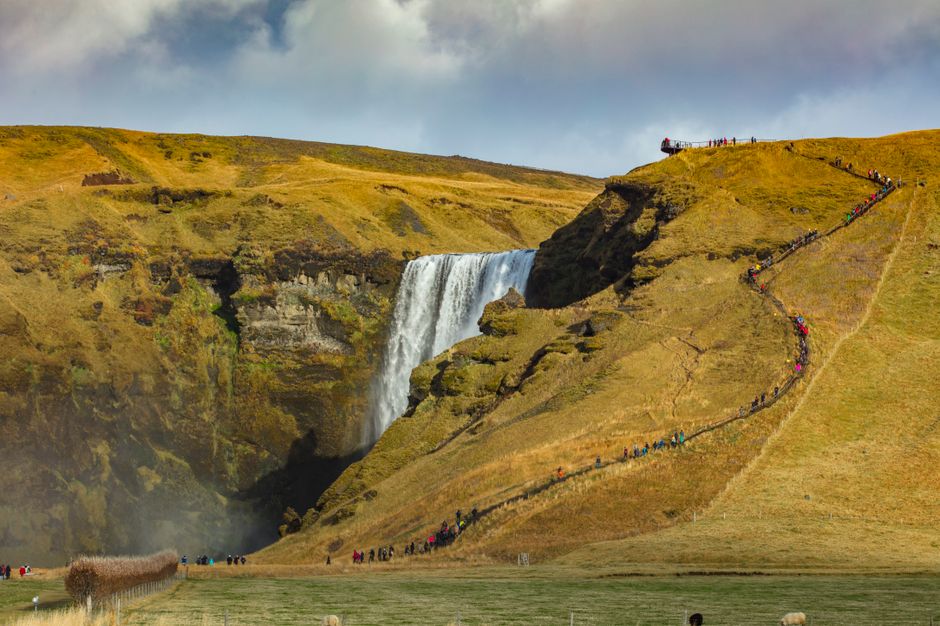
Seljalandsfoss and Skógafoss come early. Stop at both. Walk behind Seljalandsfoss if the path is open—the mist soaks everything, wear rain gear. At Skógafoss, climb the stairs to the viewing platform. The staircase has 527 steps. Your legs will notice.
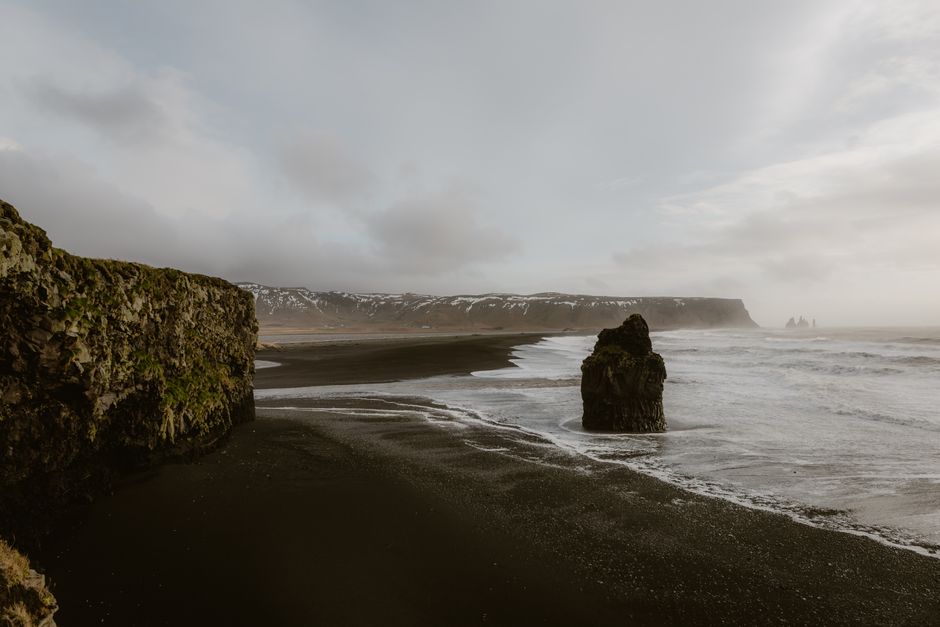
Reynisfjara black sand beach is next. The sneaker waves here have killed tourists. Read the warning signs. Do not turn your back on the ocean. Stay well back from the waterline. The danger is not theoretical.
After Vík, the landscape empties out. The Eldhraun lava fields stretch for kilometers. Stop at Fjaðrárgljúfur canyon if you have time—the parking lot renovation finished in 2026, so access is straightforward. Then push to Höfn. Arrive by 7 PM. Eat langoustine at Pakkhús. Collapse.
Day 3: Höfn → Djúpivogur → Egilsstaðir (260 km)
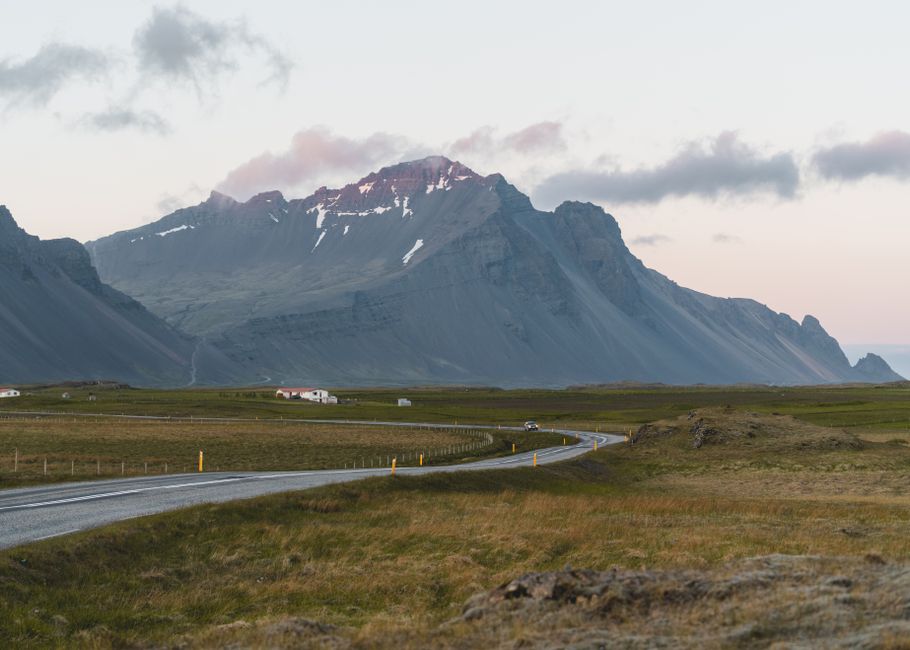
The Eastfjords. The road hugs the coastline, winding through tunnels and around fjords that look like they belong in a different century. This is the section where the Ring Road feels remote. Fuel stations are sparse. Fill up in Höfn before leaving.
Stop in Djúpivogur for coffee. The town has a small outdoor art installation—Eggin í Gleðivík, 34 granite eggs representing local birds. It’s strange and worth 20 minutes. Then continue north. The road climbs into the mountains before dropping into Egilsstaðir.
Egilsstaðir is the largest town in the east and your base for the night. If you have energy left, Vök Baths—geothermal infinity pools floating on Lake Urriðavatn—are open until 11 PM in summer. Entry runs about $45 per person.
Day 4: Egilsstaðir → Dettifoss → Mývatn (210 km)
You have a choice here. Dettifoss via Route 862 (paved) or Route 864 (gravel). Take 862. The gravel road is washboard misery in a rental car, and the view of Europe’s most powerful waterfall is just as good from the west side.
Dettifoss is not a photo stop. It’s a physical experience. The ground shakes. The spray hits you from 100 meters away. The basalt columns along the canyon walls look like organ pipes. Spend an hour. Then drive to the Mývatn area.
Mývatn Nature Baths is the Blue Lagoon alternative that costs less and has fewer people. Entry is around $40. The water is milky blue, the air smells faintly of sulfur, and the view stretches across the volcanic lake. Go in the late afternoon. Stay until evening. You’ve earned it.
Day 5: Mývatn → Goðafoss → Akureyri → Blönduós (280 km)
Goðafoss—the “waterfall of the gods”—is 45 minutes from Mývatn. It’s a wide, horseshoe-shaped cascade that spreads across a 30-meter drop. Unlike Dettifoss, it’s serene. You can walk right to the edge on either side.
Akureyri is your lunch stop. Iceland’s second city has good coffee shops—Kaffi Ilmur in the old town does a solid lamb soup for about $18. Walk the main street. Buy snacks at Bónus. Then keep moving west.
The landscape between Akureyri and Blönduós is farm country. Rolling hills, sheep, the occasional Icelandic horse herd. It’s gentle driving. Blönduós itself is a small service town. You’re sleeping here because it sets up tomorrow’s long peninsula detour without overloading the day.
Day 6: Blönduós → Snæfellsnes Peninsula → Borgarnes (350 km)
Snæfellsnes is called “Iceland in Miniature” for good reason. In one peninsula, you get a glacier-topped volcano (Snæfellsjökull), black sand beaches, basalt cliffs, lava fields, and fishing villages. It’s the Ring Road’s greatest hits compressed into 90 kilometers.
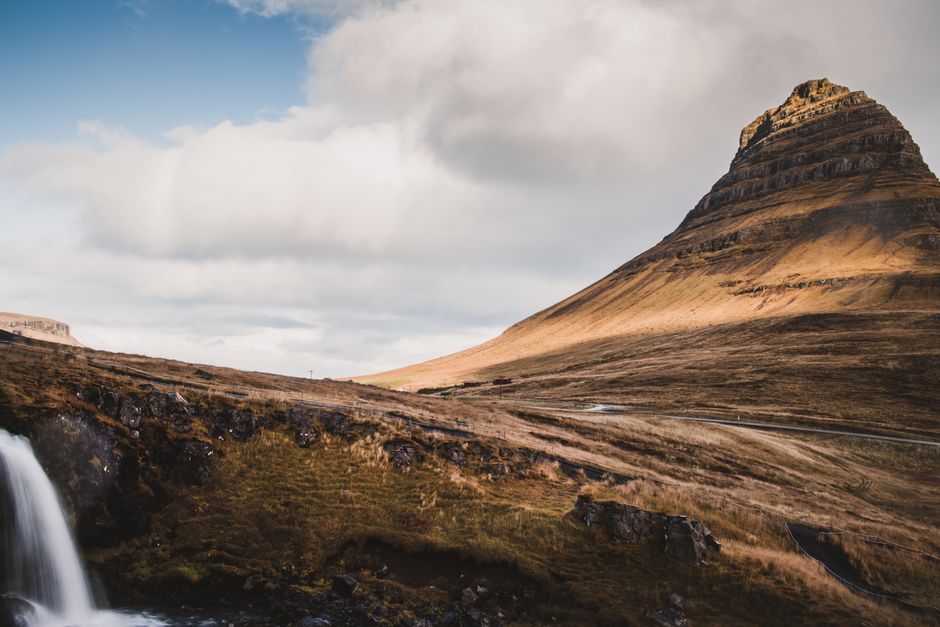
Kirkjufell is the star. The mountain plus waterfall composition is the most photographed scene in Iceland. Arrive early or accept that your shot will include 40 other people. Djúpalónssandur beach, with its black pebbles and rusted shipwreck remains, is 30 minutes further. Walk down to the water. The basalt formations at Arnarstapi are a short drive from there.
You’ll reach Borgarnes by evening. Settlement Center restaurant does a tasting menu of Icelandic classics—think cured char, lamb, skyr desserts. Around $55 per person. Worth it for a final-night dinner.
Day 7: Borgarnes → Reykjavík → Keflavík Airport (180 km)
Last day. You have a morning in Reykjavík if your flight is late. Hallgrímskirkja church, a walk along Laugavegur, a cinnamon bun at Brauð & Co. If you skipped the Blue Lagoon on arrival, you can hit it now—it’s 20 minutes from the airport. Book the 10 AM slot. $65 for basic entry. The silica mud mask is included.
Return the car. Check the undercarriage for damage before the agent does. Document everything with photos. The gravel insurance you bought on day one will matter here.
When This Itinerary Fails
This plan works if everything goes right. Iceland in summer doesn’t always cooperate. Here is what actually derails Ring Road trips.
Wind. Not regular wind. The kind that rips car doors off their hinges. In the southeast, near Vík and the sandur plains, gusts can reach 40 meters per second. Hold the door with both hands when opening it. Park facing into the wind. If the weather service (vedur.is) says don’t drive, don’t drive.
Booking failures. Accommodation in Höfn, Mývatn, and anywhere near the Golden Circle sells out months in advance for summer. If you don’t have reservations locked by February 2026, you will be sleeping in your car. This is not hyperbole. Farm stays and guesthouses have limited rooms. When they’re gone, they’re gone.
Undercarriage damage. Gravel roads are the norm on the east and north stretches. Rental companies inspect for scratches underneath the car. The standard collision damage waiver does not cover gravel damage. You need separate gravel protection insurance. Buy it. The repair bills run into thousands of dollars.
Pacing collapse. By day three, someone in the car will want to linger somewhere. A hot spring. A waterfall. A sheep field. The schedule will slip. Build in a buffer or accept that something gets cut. The most common cut is the Snæfellsnes detour—if you’re exhausted by day six, skip the peninsula and drive directly to Borgarnes.
What to Pack That Most People Forget
Iceland in summer is not warm. It’s 10–13°C (50–55°F) with rain and wind. Pack like you’re hiking in coastal Scotland. The items people consistently regret not bringing:
- Waterproof pants. Not water-resistant. Waterproof. You will wear them every day. Rain jackets are obvious. People forget their legs.
- A sleep mask. The sun barely sets in June and July. Your guesthouse curtains will not be blackout-quality. If you need darkness to sleep, bring your own.
- A physical payment card with a PIN. Unmanned fuel stations—common in the east and north—often require a chip-and-PIN card. Some US-issued cards won’t work. Bring a backup. Prepaid fuel cards from N1 stations are a workaround.
- Reusable water bottle. Tap water in Iceland is some of the cleanest in the world. Buying bottled water is unnecessary and expensive. Fill up at any tap.
- Offline maps. Cell service drops in the Eastfjords and the interior highlands. Download Iceland in Google Maps or use maps.me before you lose signal.
A Shorter Alternative That Doesn’t Feel Rushed
If reading this itinerary made you tired, that’s information. The Ring Road in seven days is a checklist trip. You see the things. You don’t sit with them.
Consider this instead: spend seven days on the South Coast and Snæfellsnes only. Base yourself in two or three locations. Day-trip out. You’ll see fewer waterfalls but you’ll actually remember them.
Fly into Keflavík. Drive the Golden Circle on day one. Spend two nights near Vík—you can reach Jökulsárlón glacier lagoon as a long day trip from there, and you’ll have time for a glacier hike on the Sólheimajökull tongue with a guide from Arctic Adventures ($120 per person, 3 hours). Then move west to Snæfellsnes for two nights. End in Reykjavík.
That itinerary costs about the same. It covers less distance. It leaves room for the thing Iceland does best: making you want to stand still and stare at something for an hour.
The Ring Road will still be there in 2027.