 By Laura Caiswell
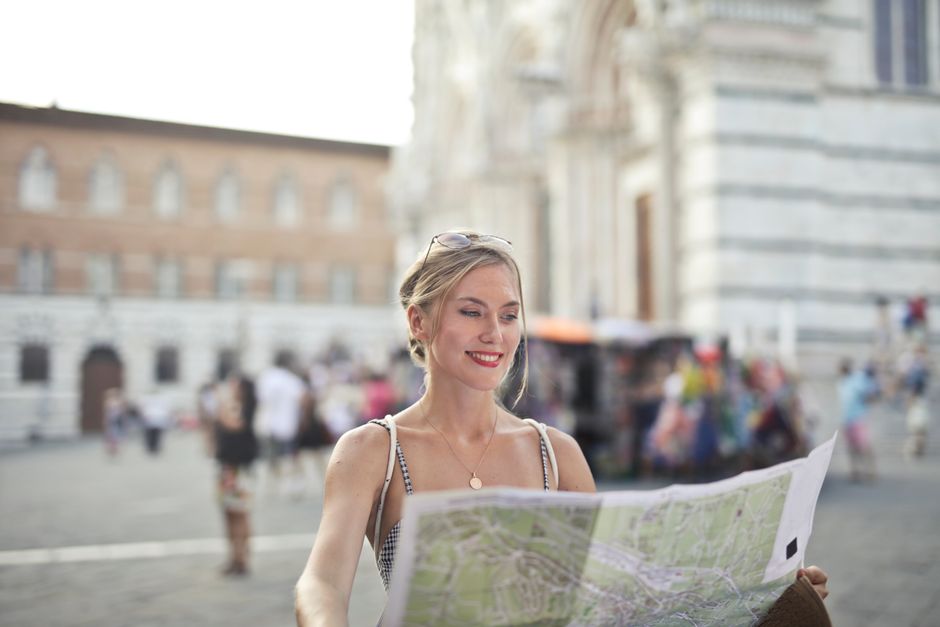
You land in Bangkok at midnight. The humidity hits you like a wall. Your phone battery is at 12%. The taxi queue is chaos. And somewhere in the back of your mind, a relative’s voice echoes: “Is it safe? Alone?”
This isn’t a guide that tells you to stay home. It’s a guide that tells you exactly how to move through the region with the same quiet confidence local women use every day. Southeast Asia remains one of the safest and most rewarding places on earth for solo female travelers—if you know the unwritten rules. Most safety advice is either fear-mongering or frustratingly vague. “Trust your gut” is not a plan. This is.
The Real Risk Landscape (It’s Not What You Think)
Forget stranger-danger narratives. The biggest threats to a solo female traveler in Southeast Asia are mundane: motorbike accidents, dehydration, and phone theft. Violent crime against tourists is statistically rare. Petty theft and scams? Common, but almost entirely avoidable.
The shift in mindset that actually keeps you safe: stop worrying about the boogeyman and start worrying about road rash. In Thailand alone, motorbike accidents are the leading cause of death for foreign tourists. If you’ve never driven a scooter, Chiang Mai’s mountain roads are not the place to learn. Grab a helmet that actually clips—not the plastic bowl helmets rental shops hand out. Better yet, use the Grab app for transport. It’s Uber for Southeast Asia, shows your route in real time, and eliminates the “broken meter” taxi scam entirely.
| Risk Type | Actual Frequency | Prevention That Works |
|---|---|---|
| Motorbike accidents | Very High | Use Grab taxis; never drive without a license; wear real helmets |
| Phone/bag snatching | Moderate | Cross-body bags; never phones out near roads; backup phone in hostel |
| Drink spiking | Low but serious | Bottle drinks only; never leave drinks unattended; avoid empty bars |
| Violent crime | Very Low | Standard precautions; avoid isolated areas after dark alone |
| Dehydration/heatstroke | High | Electrolyte packets daily; 3+ liters water; avoid midday sun |
The Tech Stack That Replaces Worry
Your phone is your lifeline. Treat it that way.
Before you leave, install an eSIM. Airalo’s Asialink plan gives you 10GB across 9 countries for $37. No swapping physical SIMs at border crossings. No hunting for a shop when you land exhausted. You’ll have data the moment the plane touches down, which means you’ll have maps, translation, and the ability to message someone immediately.
A backup phone changes everything. An old iPhone SE or budget Android (under $150) stays locked in your hostel locker. If your main phone gets snatched on a Hanoi street, you’re not stranded. You can still access banking apps, bookings, and emergency contacts. This single move eliminates the catastrophic failure mode of phone theft.
Other non-negotiables: a portable charger (Anker PowerCore 10,000mAh, $22—compact enough for a cross-body bag), and a VPN. Public WiFi in Southeast Asian cafes and hostels is a data-theft free-for-all. NordVPN or ExpressVPN takes 30 seconds to set up and costs less than a hostel night per month.
The Accommodation Rule That Locals Follow
Here’s the rule: ground-floor rooms with street-facing windows are a hard no. Always. Book floor 2 or higher. If you’re in a budget guesthouse, check that the door has a deadbolt or at minimum a chain lock. Carry a portable door lock (the Addalock, $18 on Amazon) for rooms where the lock looks questionable. It weighs nothing and fits any inward-opening door.
Hostels in Southeast Asia in 2026 are not the party pits they were a decade ago. The rise of digital nomad culture has produced genuinely beautiful, calm spaces. Look for the “boutique hostel” category on Hostelworld—places like The Yard in Bangkok or Tribee in Hoi An. These have female-only dorms with privacy curtains, individual reading lights, and lockers that actually fit a backpack. Read reviews specifically from solo women. If multiple reviews mention staff entering rooms unannounced or male guests in female dorms, book elsewhere. No deal is worth that discomfort.
For private rooms, Agoda consistently beats Booking.com on price in Southeast Asia by 10-15%. Filter by “recently renovated” to avoid the worn-down rooms that dominate budget listings. A clean, secure room in Chiang Mai or Da Nang still runs $15-25 a night. That’s not a splurge. That’s the baseline for a space where you can sleep without one ear open.
Route Planning: The Smart Way Through the Region
Most solo female travelers make the same mistake: trying to cover 5 countries in 3 weeks. You end up exhausted, disoriented, and making bad decisions because you’re too tired to think clearly. Pick two countries maximum for a month. Go deep, not wide.
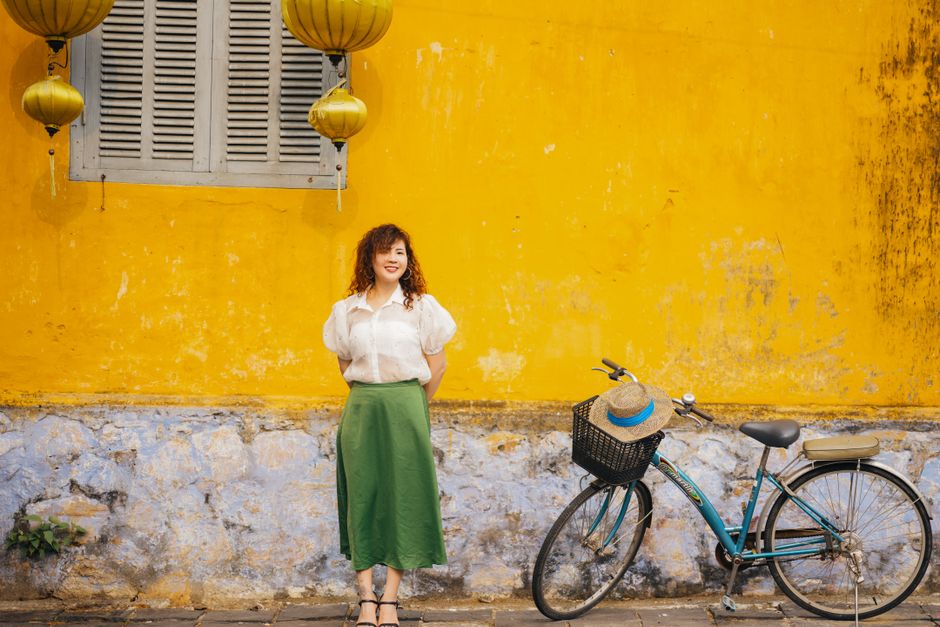
The ideal starter route for a first-timer: Thailand into Vietnam. Start in Chiang Mai—it’s walkable, has excellent cafes for working or journaling, and the expat community means you’ll never feel isolated. Spend a week. Then fly to Da Nang, Vietnam. Da Nang is what Bali was 15 years ago: safe beaches, incredible food, and a genuine local culture that hasn’t been paved over by tourism. From Da Nang, take the train to Hoi An (45 minutes, $3). Hoi An is touristy but for good reason—the old town is magical at night, and the tailoring shops are a genuinely fun solo activity.
Skip the full-moon-party islands unless you’re a confident partier with a solid group. Koh Phangan’s party scene is notorious for a reason. If you want Thai islands without the chaos, Koh Lanta or Koh Yao Noi are calmer, safer, and still stunning.
How to Move Like You Belong There
Predators—the rare ones that exist—target confusion. They look for the woman staring at her phone on a street corner, visibly unsure which direction to go. The fix isn’t to never use your phone. It’s to step into a shop or cafe before checking maps. Plan your route before you start walking. Walk with purpose even if you’re not 100% sure. You can correct course later, out of sight.
The sarong is the most underrated tool in your bag. In Southeast Asia, temple dress codes are strict: shoulders and knees covered. A large cotton sarong wraps into a skirt, a shoulder cover, a beach towel, a pillowcase on overnight buses. It signals cultural awareness. Local women notice. It shifts you from “oblivious tourist” to “respectful visitor” in seconds.
Learn five phrases in the local language: hello, thank you, how much, too expensive, and “no, thank you” delivered with a smile. The last one matters most. A firm but polite refusal in the local language shuts down 90% of persistent touts. They hear you’re not a first-timer and move on.
When Things Go Wrong—The Backup Plan
Something will go sideways. A bus will break down. You’ll get food poisoning. A booking will get “lost.” The difference between a story you laugh about later and a genuine crisis is preparation.
Register with your embassy’s travel program before you leave. The US STEP program, UK FCDO registration, or equivalent takes 3 minutes. If there’s a natural disaster or political unrest, they know you’re there and can reach you. Keep a digital copy of your passport, visa, and travel insurance in a cloud folder accessible offline. Travel insurance is not optional. World Nomads and SafetyWing both cover Southeast Asia comprehensively. SafetyWing runs about $45/month for basic coverage and handles claims through an app.
Know the tourist police number for each country. In Thailand, it’s 1155—a dedicated English-speaking line. In Vietnam, it’s 113. Save these in your phone contacts before you land. The one time you need them, you won’t have time to Google.
If you feel genuinely unsafe—not just uncomfortable, but unsafe—leave. Immediately. Check out of the hostel. Get in a Grab. Go to a different neighborhood. The money you lose on a non-refundable booking is never worth the risk. Solo travel is about freedom, and freedom includes the freedom to change your plans instantly when something feels wrong.
Southeast Asia will challenge you in ways that have nothing to do with safety. The heat, the language barriers, the sheer chaos of a Bangkok market—those are the real tests. The safety part? It’s mostly just preparation disguised as confidence. Do the prep. Then go.