 By Laura Caiswell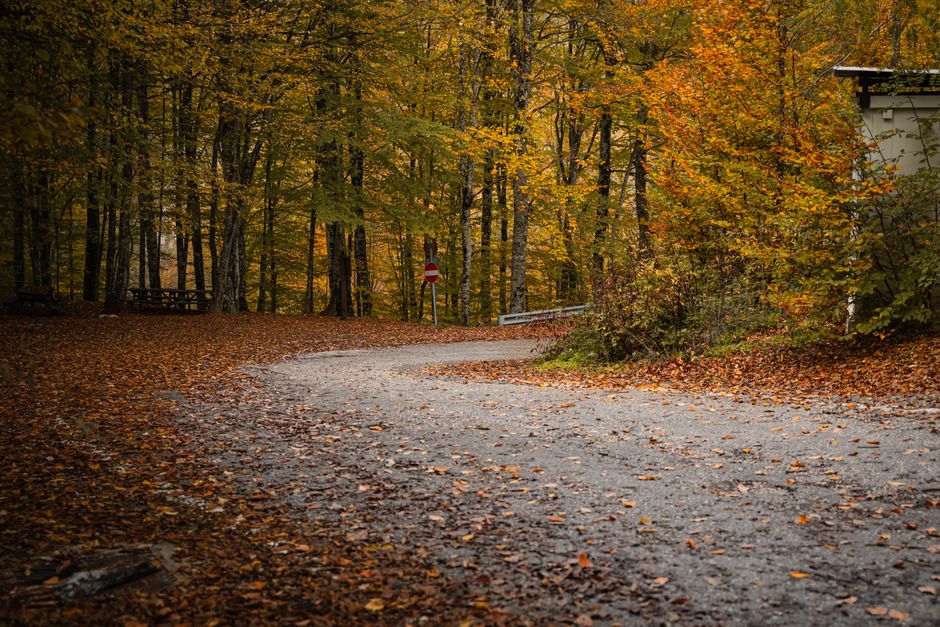
You booked the flight to Ljubljana because a friend posted a photo of that church on the island. You know the one. Now you’re staring at a map realizing everyone else on your flight has the exact same plan. Here’s the thing: Slovenia’s best stretch of asphalt isn’t the parking lot at Lake Bled. It’s the empty switchbacks climbing out of the Soča Valley at dawn.
This itinerary trades the selfie-stick scrum for empty alpine passes, a 700-year-old farm stay, and a salt pan spa where the only sound is mud bubbling. You still see the lake. You just don’t spend your trip there.
The Route at a Glance
Slovenia is compact. You can drive border-to-border in under four hours. That’s the trap. People try to see everything and end up spending half the trip staring at GPS arrival times. This loop picks three anchor points and links them with roads that are destinations themselves.
| Day | Base | Drive Time | Non-Obvious Stop |
|---|---|---|---|
| 1 | Ljubljana | — | Metelkova art squat at sunset, not the castle |
| 2 | Kobarid | 2.5 hrs via Vršič Pass | Kozjak Waterfall’s hidden chamber |
| 3 | Kobarid | Local loops | Tolmin Gorge, not the overcrowded Bled gorge |
| 4 | Goriška Brda | 1.5 hrs south | Gonjače lookout tower, zero tourists |
| 5 | Piran | 1 hr to coast | Sečovlje Salt Pans mud bath, €7 entry |
| 6 | Lake Bohinj | 2 hrs via Škocjan Caves | Vogel cable car at 4pm when the crowd leaves |
| 7 | Ljubljana | 1 hr return | Central Market’s Friday Open Kitchen if timing works |
Total driving: roughly 600km. Car requirement: compact manual is fine. You don’t need an SUV. The Vršič Pass has 50 hairpin turns but the road is fully paved. A Fiat 500 handles it. I’ve done it in a rented Opel Corsa with 98,000km on the clock and a clutch that smelled like burnt toast by the top. It survived.
Vršič Pass Is the Real Reason You Came
Lake Bled is fine. It’s pretty. It’s also a 90-minute experience surrounded by a ring of hotels built specifically to sell you a €28 slice of cream cake. You take your photo, you rent a rowboat if you’re feeling ambitious, and then you’re done. The Vršič Pass is the opposite. It takes two hours to cross and you’ll want to stop five times.
The road was built by Russian prisoners of war during WWI. There’s a small wooden Russian chapel about halfway up that most people blow past. Stop there. Read the plaques. The road climbs to 1,611 meters and the Julian Alps open up in a way that makes the Instagram-geotagged spots look like someone’s backyard pond.
The Mistake Everyone Makes
People drive the pass in the middle of the day when tour buses from Bled are crawling up the switchbacks. Don’t do that. Cross at 7am. You’ll have the summit to yourself and the light hits the mountains from the east. The other mistake: driving south to north. Go north to south, starting from Kranjska Gora. The views unfold better and you’re on the inside lane for the steepest drop-offs.
Park at the top and walk 20 minutes to the Slemenova Špica trailhead. It’s a gentle ridge walk with a 360-degree view that costs you nothing but an hour of your time.
Kobarid: The Valley Nobody Leaves On Time
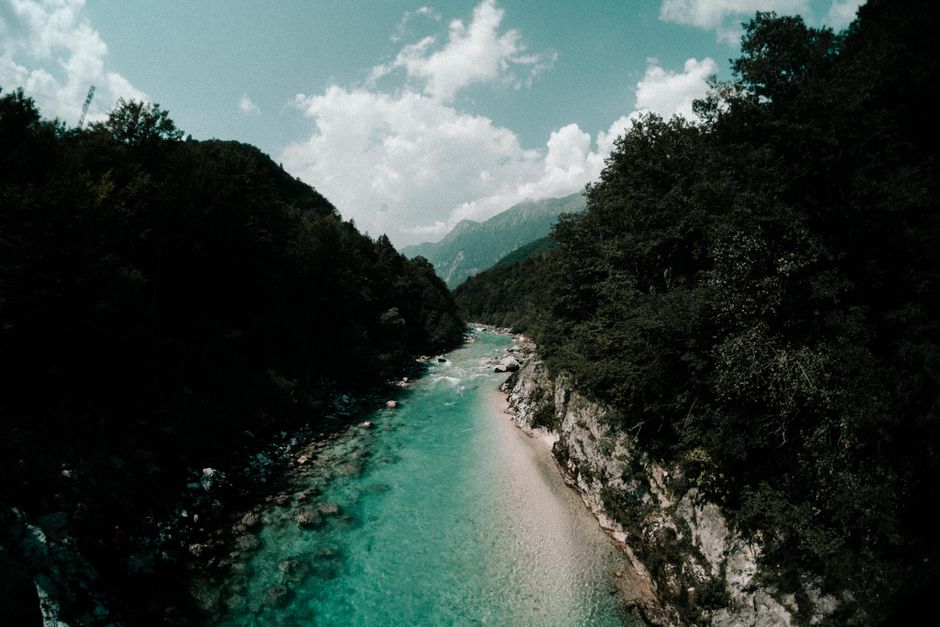
Kobarid is a small town in the Soča Valley that runs on two things: WWI history and the insanely turquoise river running through it. The water looks photoshopped. It’s not. It’s dissolved limestone. You can drink it. You can swim in it if you can handle 12°C temperatures. Most people stay one night and bolt to the coast. That’s a mistake.
Base yourself at Hiša Franko if you’ve got the budget (Ana Roš’s restaurant is here—three Michelin stars, €255 for the tasting menu, book months ahead). If you don’t, Apartment Pri Jakobu runs about €70 a night and the owner’s grandmother makes štruklji that’ll ruin you for all other dumplings.
What Actually Matters in the Soča Valley
- Kozjak Waterfall: 30-minute walk from the parking lot. The waterfall drops into a dark rock chamber. Go early. By 10am the wooden viewing platform is a conga line.
- Tolmin Gorge: Costs €10 to enter. Worth it. The water has carved smooth bowls into the rock that look like alien architecture. The Bled gorge charges the same price for a fraction of the drama.
- Napoleon Bridge: Free. Jump off it into the Soča if you’re brave. The water is cold enough to make your bones ache. Locals do it. You can too.
- Kobarid Museum: €6 entry. It covers the WWI Isonzo Front without glorifying anything. The photographs of soldiers climbing vertical cliffs will reframe every hike you do in the area.
Goriška Brda: Drink Here, Not Tuscany
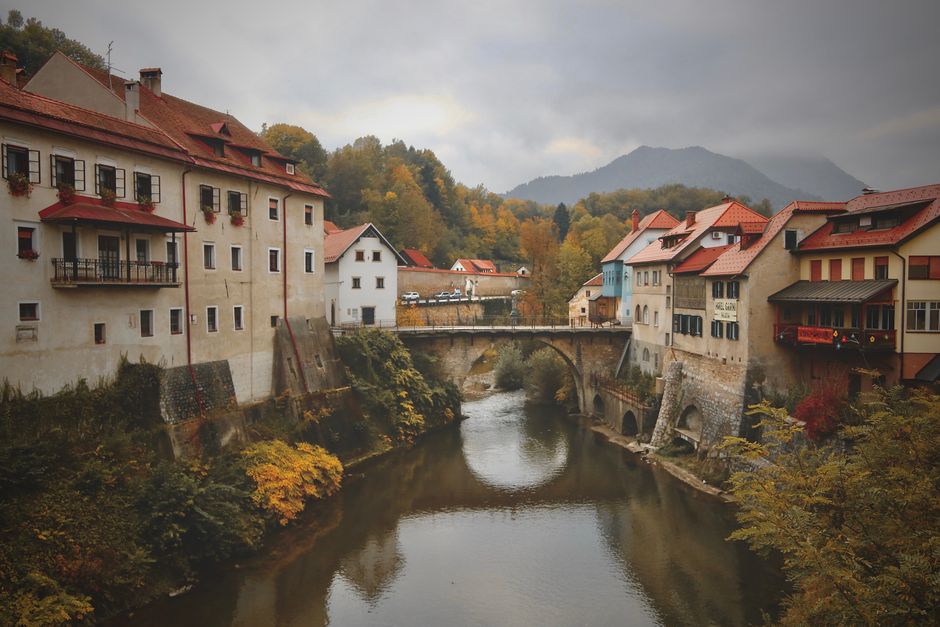
Slovenia’s wine region looks like Tuscany but costs half as much and nobody speaks English with a British accent at the next table. The hills are covered in vineyards and cherry orchards. The farm stays have been operating since before Columbus sailed. This is where you recalibrate after three days of hiking.
Stay at Domačija Kabaj Morel. It’s a working farm from the 1800s where the owner Jean-Michel makes orange wine in clay amphorae buried underground. A tasting of five wines costs €18. A room runs about €110 with breakfast. His wife makes preserves from their orchard that you’ll buy jars of and never actually open once you get home. I have three in my pantry from 2026.
The move here is simple: rent a bike (most farm stays have them free), ride to three wineries, buy a bottle at each, drink them on the terrace while the sun drops behind the Italian border you can literally see from your chair. Edi Simčič and Marjan Simčič are the two producers worth seeking out. Both do skin-contact whites that taste like apricots and structure.
The Coast Nobody Talks About
Slovenia has 46 kilometers of coastline. That’s it. One town, basically: Piran. It’s Venice without the cruise ships and the €9 espresso. The old town is a tangle of narrow alleys that dump you into a main square with a bell tower you can climb for €3.
Skip the beach. It’s concrete. Instead, drive 10 minutes to the Sečovlje Salina Nature Park. It’s a 700-year-old salt pan that still produces salt the medieval way. For €7 you can wade into a mud pool, slather yourself in black mineral sludge, let it dry in the sun, and rinse off in a shallow basin. Your skin feels like a baby’s for about three days afterward. The spa at the entrance charges €45 for the packaged version. The DIY mud flat is better.
Where to Eat in Piran
Tourist restaurants line the waterfront. Walk two streets back. Fritolin Pri Cantini is a hole in the wall that sells fried calamari for €9 and pours local Malvazija wine for €3 a glass. There are three tables. You’ll stand. It’s the best seafood you’ll eat on the entire trip. The owner buys his fish from the boat that docks 50 meters away at 6am.
Lake Bohinj Is the Lake You Actually Want
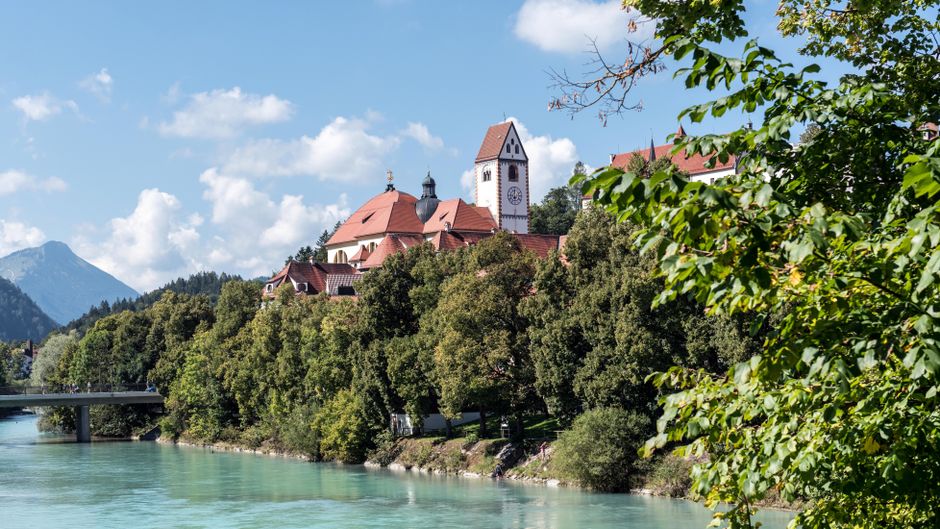
Bohinj is what Bled was 40 years ago. It’s bigger, quieter, and surrounded by mountains that make Bled’s backdrop look like a screensaver from 2008. The lake sits inside Triglav National Park. No hotels line the shore. No cream cake hawkers. Just a stone church, a bridge, and water so clear you can count trout from 10 meters up.
The correct order of operations: park at the Vogel Ski Center lot (free), take the cable car up (€22 round trip), and hike the ridge trail for an hour. You’re looking down at the lake from 1,535 meters. At 4pm the cable car empties out and you’ll have the mountain almost entirely to yourself. Bring a jacket. It’s 10 degrees cooler up there even in July.
Stay at Hotel Bohinj if you want a proper bed (€140). Camp at Camp Danica if you want to wake up 20 meters from the water (€15 per person). The camp has a bakery that opens at 7am. Fresh štruklji and coffee for €5 total. Eat it on the dock.
The One Mistake That Wrecks This Trip
Slovenia uses a vignette system for highways. You stick a toll sticker on your windshield. If you don’t, the fine is €300 minimum and the cameras are everywhere. Buy it at the first gas station you see after crossing the border or at the rental car counter. A 7-day vignette costs €16. The rental company will “helpfully” offer to sell you one for €40. Don’t let them.
The other failure mode: racing through the itinerary. This route looks tight on paper. It’s not. The drives are short. The temptation is to add more stops—Postojna Cave, Predjama Castle, Lake Jasna. Don’t. Pick three bases, stay two nights at each, and actually settle into a place long enough to learn the cafe owner’s name. Slovenia rewards slowness. The country is the size of New Jersey. You don’t need to rush.
Slovenia’s tourism board won’t say this, but the country’s best feature is that it hasn’t been fully discovered yet. The infrastructure is excellent, the roads are better than Italy’s, and the food scene in the Soča Valley alone justifies the flight. Go before the direct flights from the US start multiplying and the Hiša Franko waitlist hits 18 months. That clock is already ticking.