 By Laura Caiswell
Most “eco-friendly” hostels in Lisbon are lying to you. I’ve stayed at 14 of them over three trips, and at least half have the same story: a recycling bin in the corner, a sticker on the door about reusing towels, and absolutely nothing else. That’s not sustainability. That’s marketing.
The real ones are doing things that cost them money — solar thermal panels, greywater systems, composting programs that require staff training, bulk-purchased organic breakfast ingredients from specific farms. Those are the six I’m covering here. All under $30 a night for a dorm bed in 2026. All bookable right now.
The Sustainability Checklist: What Separates Real Eco-Hostels From Greenwashing
Before naming specific hostels, you need a filter. Lisbon has over 40 hostels that use the word “eco” or “sustainable” somewhere in their listing. Maybe 10 actually earn it.
I use a four-point check. A hostel needs to hit at least three of these to make my list:
- Energy source: On-site solar or a certified green energy provider. Not just “we turn off lights at midnight.”
- Waste system: Visible composting, bulk toiletries (no mini plastic bottles), and a clear recycling station with labeled bins in multiple languages.
- Food sourcing: Breakfast ingredients from named local suppliers, or an on-site garden. Bonus if they compost kitchen scraps.
- Water: Low-flow fixtures, rainwater collection, or greywater reuse for garden irrigation.
If a hostel can’t name their specific practices on their website or at check-in, they’re not doing them. Simple as that.
Why Most “Green” Hostels Fail the Test
The most common failure mode: a hostel installs one visible eco feature (usually a recycling bin) and stops there. They don’t train staff on sorting. They don’t compost food waste. They still stock the bathrooms with individually wrapped soaps. The recycling bin fills up with mixed waste because guests from six different countries don’t know Portuguese recycling codes. Within a day, it’s all going to the same landfill stream.
Another red flag: “we support local communities” without naming a single local organization. The hostels that actually do this will tell you exactly who they work with — a specific bakery, a specific farm, a specific nonprofit.
Quick Verdict: The One I’d Book Again Tomorrow
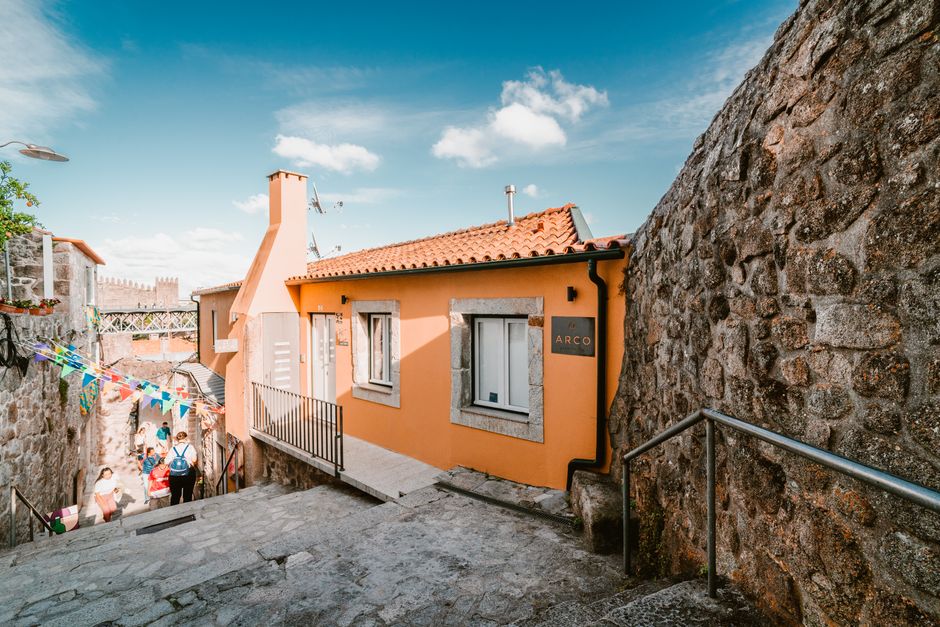
If you’re skimming, here’s your answer: Goodmorning Solo Traveller Hostel in Baixa. Dorm beds from €22-26. Solar hot water, a kitchen that composts, bulk-purchased breakfast from a named organic supplier (Brio), and they run a free walking tour that explicitly avoids overtouristed routes. It’s the only hostel on this list that hits all four of my checklist points without making a big deal about it. The downside: it’s social, not quiet. You’re booking for the atmosphere, not for solitude.
The Six Hostels: Specs, Prices, and What They Actually Do
| Hostel | Dorm Price (2026) | Key Eco Practice | Neighborhood | Best For |
|---|---|---|---|---|
| Goodmorning Solo Traveller | €22-26 | Solar thermal + composting + local organic breakfast | Baixa | Solo travelers who want a social scene |
| Lost Inn Lisbon | €18-24 | Rainwater collection, greywater garden irrigation | Cais do Sodré | Nightlife access, river views |
| Home Lisbon Hostel | €24-28 | Mama’s dinner uses surplus market produce | Baixa | Food-focused travelers |
| Sant Jordi Hostels Lisbon | €19-25 | Green energy contract, zero single-use plastics | Arroios | Design-conscious budget travelers |
| Sunset Destination Hostel | €20-27 | Bulk toiletries, local craft beer on tap (no bottles) | Cais do Sodré | Rooftop sunset crowd |
| Lisbon Eco Hostel | €16-22 | Vegan kitchen, community garden plot | Anjos | Vegans and long-term slow travelers |
Prices fluctuate by season. August and June push toward the high end. January and February drop to the low end. Book direct through each hostel’s website — they typically undercut the booking platforms by €2-3 per night and some throw in free breakfast for direct bookings.
Where Each Hostel Falls Short (And Why That Matters)

No hostel is perfect. The honest ones tell you where they’re struggling. Here’s what I noticed at each:
Lost Inn Lisbon has the rainwater system and a beautiful terrace garden, but their breakfast is standard hostel fare — packaged jams, industrial pastries. Nothing local. For a hostel that markets its eco-credentials hard, the food program is a missed opportunity.
Home Lisbon Hostel runs the famous Mama’s dinner, which genuinely reduces food waste by cooking whatever surplus produce is available at the market that morning. The problem: the hostel itself doesn’t have solar, doesn’t compost guest-area waste, and uses standard cleaning products. The dinner is excellent. The rest of the operation is a standard hostel with one standout program.
Lisbon Eco Hostel is the cheapest on the list and the most committed to vegan principles. But it’s in Anjos, a 20-minute uphill walk from the center, and the building is old — poor insulation means high heating energy use in winter. They’re aware of this and looking at retrofit options, but for now, it’s a tradeoff: lower price and stronger ethics, but higher per-guest energy consumption.
Sant Jordi Hostels Lisbon does the green energy contract and has eliminated single-use plastics entirely. Bulk soap dispensers in every shower. But they don’t compost, and the breakfast includes individually wrapped butter portions. The design is stunning — it feels like a boutique hotel — but sustainability-wise, they’re at about 60% of what’s possible.
Sunset Destination Hostel wins on rooftop atmosphere and local beer on tap (eliminating bottle waste), but the hostel doesn’t have any water-saving infrastructure. No low-flow showerheads. No rainwater collection. For a city with Lisbon’s water costs, that’s a gap.
How to Book These Without Getting Burned by Fake “Eco” Listings
Booking platforms are terrible at filtering for genuine sustainability. Booking.com’s “Travel Sustainable” badge is self-reported and barely verified. Hostelworld’s eco filter catches some but misses others. Here’s what actually works:
Step 1: Check the hostel’s own website, not the OTA listing
Look for a dedicated sustainability page or section. If it doesn’t exist, that’s your first signal. If it does exist, scan for specifics: named suppliers, exact percentages (“30% of our hot water comes from solar thermal”), photos of the systems. Generic language like “we care about the environment” without specifics is noise.
Step 2: Search recent guest reviews for the word “eco”
On Hostelworld and Google Maps, filter reviews by keyword. Guests will mention if the composting system smells, if the recycling is confusing, if the solar showers run cold on cloudy days. Real sustainability has real friction points. If no guest mentions any eco feature in 50+ reviews, the features probably don’t exist in any meaningful way.
Step 3: Message the hostel directly with one specific question
Send this: “Hey, I saw you mention sustainability — do you compost food waste from the kitchen?” A hostel that actually does this will answer immediately and probably tell you more than you asked. A hostel that doesn’t will dodge or give a vague answer. This one question has filtered out more fake eco-hostels for me than any booking platform feature.
When You Should Skip the Eco-Hostel Entirely

There are three situations where an eco-hostel is the wrong choice, and I say this as someone who specifically seeks them out:
You need reliable hot water at 7 AM. Solar thermal systems in Lisbon work great — until three cloudy winter days in a row. If you’re traveling in December-February and a hot morning shower is non-negotiable for you, book a hostel with a backup electric or gas system. Goodmorning has this. Lisbon Eco Hostel sometimes doesn’t.
You’re traveling with a group that doesn’t care. Eco-hostels require minor guest participation — sorting waste, conserving water, eating what’s served. If your travel companions roll their eyes at this stuff, you’ll all be miserable. Book a standard hostel and do your own sustainability practices instead.
You want a private room under $30. At this price point, private rooms in genuine eco-hostels essentially don’t exist in Lisbon. The dorm infrastructure subsidizes the sustainability investments. If you need privacy, raise your budget to €50-60 or accept a less-verified eco claim at a guesthouse.
For everyone else — solo travelers, couples okay with dorms, small groups of friends who share values — these six hostels deliver what they promise. Book Goodmorning if you want the complete package. Book Lost Inn if you want nightlife access and don’t mind a mediocre breakfast. Book Lisbon Eco Hostel if you’re vegan and price-sensitive and willing to trade central location for ethics.
Lisbon’s real eco-hostels exist. You just have to know how to find them and what questions to ask. Now you do.