 By Laura Caiswell
You’ve watched the YouTube documentaries. You’ve seen the jaw-dropping time-lapses of the High Sierra. Now you’re staring at a spreadsheet, trying to figure out how to actually pull this off in 2026. Good. That spreadsheet is the first sign you’re taking this seriously.
The Pacific Crest Trail is 2,650 miles of desert, snow, and relentless elevation. It breaks people. Not because they aren’t strong enough—because they planned for the Instagram version of the trail, not the real one. This guide focuses on the unsexy logistics that determine whether you make it to Canada or quit at mile 100.
The Permit System Is Your First Filter
The Pacific Crest Trail Association (PCTA) runs a lottery for long-distance permits. It’s not a suggestion. It’s a legal requirement for any trip over 500 continuous miles. The 2026 lottery opens in November 2026. Mark your calendar. Miss it, and you’re piecing together a patchwork of local permits that will give you a logistical headache.
Here’s what actually matters:
- Daily quotas are strict. Only 50 people per day can start from the Southern Terminus at Campo. Don’t expect a weekend in April to be available. Midweek dates in March or early May fill slower.
- You need a specific start location and date. You can’t just grab a permit and wander. The PCTA wants your itinerary. It doesn’t need to be perfect, but you need a plan.
- Mexico to Canada isn’t the only way. Flip-flopping—starting in the middle and hiking south, then north—bypasses the worst permit congestion. Consider starting at Walker Pass (mile 652) in late May. You’ll hit the Sierra when snow conditions are safer.
The permit costs nothing to apply for, but you’ll pay a fee upon approval. Budget $50 for the PCTA permit itself. The real cost is locking in a date and then building your entire life around it.
Gear That Won’t Let You Down (And Gear That Will)
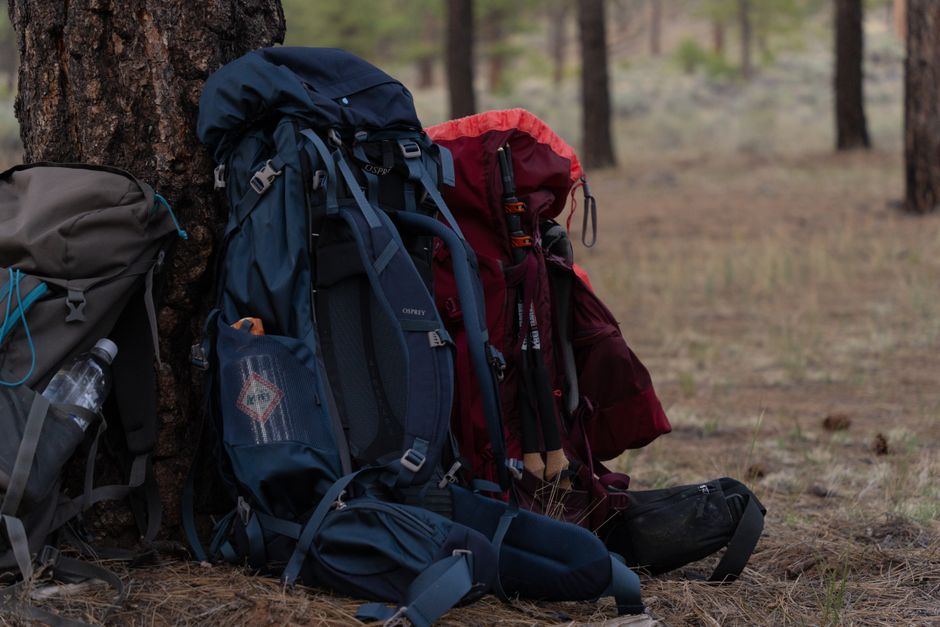
Thru-hiker gear lists have become a religion. People will argue about the last gram of weight like it’s a doctoral thesis. Ignore most of it. Focus on the gear that, if it fails, ends your hike immediately.
Your Shelter Is Your Life Support
The Zpacks Duplex ($699) dominates the trail for a reason. It weighs 19 ounces, uses trekking poles for setup, and has survived thousands of thru-hikes. It’s expensive. The Gossamer Gear The Two ($400) is a cheaper alternative at 23 ounces. Don’t bring a freestanding tent that requires poles. You’ll curse the extra two pounds every single day. A bad shelter decision adds more misery than any other gear mistake.
Water Filtration: No Room for Error
The Sawyer Squeeze ($39) remains the standard. Not the Mini—the flow rate is too slow. Pair it with two 1-liter Smartwater bottles and a 2-liter CNOC Vecto dirty water bladder. This setup lets you carry 5+ liters through the desert sections where sources are 20 miles apart. Aquamira drops ($15) serve as a backup. Giardia will end your hike faster than a stress fracture. Filter every liter.
The Electronics That Matter
A Garmin inReach Mini 2 ($400) is the only non-negotiable electronic. Cell service is nonexistent for hundreds of miles. The inReach lets you text family, check weather, and call for help via satellite. The subscription costs $15/month. Pay it. The Nitecore NB10000 power bank ($60) at 5.3 ounces is the lightest reliable option. Bring two. Your phone running FarOut (the mapping app, formerly Guthook) is your primary navigation tool. Dead phone = lost hiker.
The Cost Breakdown Nobody Shares Honestly
Online forums toss around $1,000 per month as a rule of thumb. That’s outdated for 2026. Inflation hit trail towns hard. Here’s a realistic budget for a 5-month thru-hike, based on conversations with 2026 finishers.
| Expense Category | Estimated Cost (5 Months) | Notes |
|---|---|---|
| Gear (initial purchase) | $2,500 – $4,000 | Includes pack, shelter, sleep system, electronics. Buy once. |
| Food on trail | $3,000 – $4,000 | $15-$20 per day. Resupply boxes vs. buying in town. |
| Town days (lodging, restaurants) | $3,000 – $5,000 | This is the budget killer. Shared motel rooms, burgers, beer. |
| Shoe replacement | $600 – $900 | 4-5 pairs of trail runners at $150 each. Replace every 500 miles. |
| Insurance & subscriptions | $500 – $800 | Travel insurance, Garmin subscription, FarOut app maps. |
| Travel to/from trail | $300 – $600 | Flights, buses to Campo, transport from Manning Park. |
| TOTAL | $9,900 – $15,300 | Excludes lost income from not working. |
The biggest mistake is under-budgeting for town days. When you stumble into Sierra City after 8 days of eating instant mashed potatoes, you will buy the $25 burger. You will split a $120 motel room with three other hikers. Budget for it. The people who run out of money in Oregon aren’t the ones who bought expensive tents. They’re the ones who stayed in every hotel and ate every restaurant meal.
Your Body Is the Equipment That Fails First
Overuse injuries stop more thru-hikes than bears, snow, or fire closures combined. The data from the PCTA consistently shows that the majority of hikers who quit do so in the first 200 miles. The reason is almost always physical.
Start slow or don’t start at all. The desert section breaks tendons. Your cardiovascular system adapts in weeks. Your connective tissue takes months. For the first two weeks, cap your daily mileage at 15 miles. I don’t care if you ran a marathon last month. The repetitive stress of walking 20+ miles daily with a 30-pound pack is different.
Specific failure points:
- Plantar fasciitis. Stretch your calves obsessively. Roll a cork ball under your foot every night. At the first sign of heel pain, take a zero day. Pushing through it turns a 2-day recovery into a 2-week one.
- Shin splints. This is an overstriding problem. Shorten your stride, increase your cadence. Trekking poles reduce impact by 20-25% on descents. Use them.
- Knee pain. The descent from Fuller Ridge into the desert floor is a 7,000-foot knee destroyer. Strengthen your glutes and quads before the trail. Weak hips make your knees collapse inward with every step.
Trail runners, not boots. The Altra Lone Peak series and Hoka Speedgoat 5 dominate the trail. They dry fast, weigh little, and don’t need breaking in. Buy them a half-size larger than your street shoe. Your feet swell two full sizes by California.
The Mental Game: Why Most People Quit
The physical pain is predictable. The mental grind is what blindsides people. Hiking the PCT is a job. You wake up, walk, eat, walk, set up camp, sleep, repeat. For five months. The novelty of the desert wears off by week two. The Sierra is terrifying and exhilarating. By Northern California, you’re just executing a routine.
The hikers who finish aren’t the strongest. They’re the ones who can tolerate boredom and discomfort without spiraling. They don’t rely on motivation—they build discipline. When it’s 40 degrees and raining in Washington and you haven’t seen another person in three days, motivation evaporated three states ago. You keep walking because you decided to, and that decision hasn’t changed.
Have a “why” that isn’t just “finish the trail.” That’s too fragile. A bad snow year, a fire closure, an injury—any of these can make “finishing” impossible through no fault of your own. Your why needs to be “I want to live outside for five months” or “I want to see what I’m capable of.” Something the trail can’t take from you.
Section Hiking: The Smarter Choice for Most People
Here’s the honest verdict: a full thru-hike is a terrible idea for most beginners. It requires quitting your job, spending $10,000+, and accepting a 50% chance of not finishing. Section hiking—doing 200-500 mile chunks over multiple summers—gives you 90% of the experience with 10% of the life disruption.
If you have a career you care about or a family you don’t want to leave for half a year, section hike. Start with the Oregon section. It’s 455 miles of relatively gentle terrain, well-spaced resupply points, and jaw-dropping scenery around Crater Lake and the Three Sisters Wilderness. You can complete it in 4-5 weeks. A perfect sabbatical project.
California’s Section K (200 miles through the Marble Mountains and Trinity Alps) is another gem. It avoids the permit circus of the Sierra and the water stress of the desert. You’ll get the full PCT experience—solitude, physical challenge, trail community—without betting your entire savings account on it.
Thru-hiking is sold as the ultimate achievement. It’s not. The ultimate achievement is building a relationship with the trail that lasts decades, not burning out in one painful summer and never backpacking again.
Fire, Snow, and Other Things You Can’t Control
The PCT in 2026 will have fires. It will have snow. It may have smoke so thick you can’t see the next ridge. These aren’t anomalies. They’re the baseline now.
Build flexibility into your plan. Don’t book non-refundable flights home from Canada in August. You might be there in September. You might have to skip 200 miles of Oregon due to a fire closure, hitchhike north, and come back later. The purists who refuse to skip a single mile are the ones who get trapped in dangerous situations or quit entirely when the trail doesn’t cooperate.
The FarOut app has a comment section on every waypoint. Hikers post real-time updates on water sources, snow conditions, and fire closures. Check it obsessively. The PCT Water Report (pctwater.com) is a separate, volunteer-run resource that is more reliable than official maps for desert water caches. Use it.
Carry an ice axe and know how to self-arrest for the Sierra. Enter the range no earlier than mid-June in a normal snow year. In a high-snow year like 2026, early July. The Facebook group “PCT Class of 2026” will be full of beta by April. Pay attention to the hikers who are actually on trail, not the ones speculating from their couches.