 By Laura Caiswell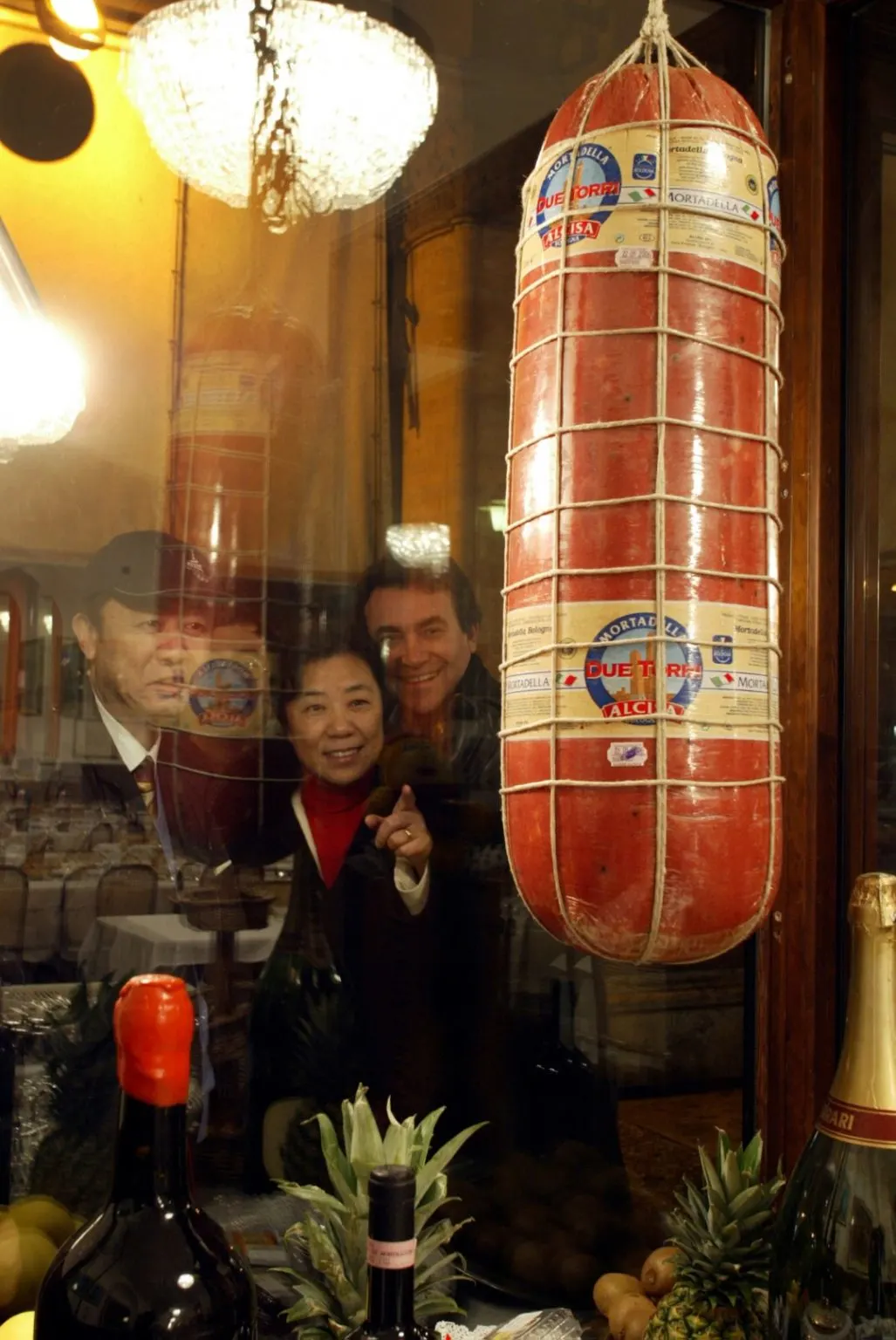
Most visitors to Italy dream of pasta. Specifically, they often dream of "spaghetti bolognese." Here’s the surprising fact: you won’t find spaghetti bolognese on any authentic menu in Bologna. In fact, asking for it might earn you a polite, yet firm, correction. The city takes its culinary heritage seriously. Bologna isn’t just another Italian food destination; it’s a gastronomic powerhouse, often called La Grassa, or "The Fat One," a testament to its rich, hearty cuisine.
This city doesn’t just eat; it celebrates food. The approach here isn’t about trendy fusions or Instagrammable presentations. It’s about tradition, quality ingredients, and recipes honed over centuries. Navigating Bologna’s food scene requires a little insider knowledge to truly unlock its potential. Without a clear strategy, you risk falling into tourist traps, eating decent but ultimately uninspired meals. This guide cuts through the noise, showing you how to find the genuine article, often for the same price, if not less.
Bologna’s Culinary Secret: It’s Not What You Think
Bologna’s food identity is deeply tied to Emilia-Romagna, a region renowned as Italy’s food basket. Think Parma ham, Parmigiano Reggiano, Balsamic Vinegar of Modena, and, of course, the city’s signature pasta dishes. The "bolognese" you know from outside Italy is a simplified, often bastardized, version of something far more complex and refined. Real Bolognese food prioritizes fresh, handmade pasta, slow-cooked sauces, and high-quality cured meats. It’s a cuisine of comfort and richness, built on a foundation of local produce and artisan skill.
The secret to eating well here isn’t about finding the "best" restaurant with a Michelin star, though those exist. It’s about understanding the core principles: seasonality, local sourcing, and respect for tradition. A humble trattoria often delivers a more authentic, soul-satisfying meal than a flashy, overpriced establishment. The deeper you dig into Bologna’s culinary layers, the more you appreciate the meticulous effort behind every plate of tortellini or slice of mortadella. This dedication is what makes Bologna a truly unique food destination.
The Myth of "Spaghetti Bolognese"
Let’s clear this up immediately: the local version is Tagliatelle al Ragù. The pasta is a wide, flat egg noodle, perfectly suited to cling to the rich meat sauce. Spaghetti, a southern Italian pasta, simply doesn’t hold the ragù in the same way. The ragù itself is a slow-cooked masterpiece, made with a blend of finely ground beef and sometimes pork, often with a hint of pancetta, cooked for hours with soffritto (carrots, celery, onion), tomato paste, white wine, and milk. It’s never swimming in a thin, bright red tomato sauce.
Emilia-Romagna: The Food Heart of Italy
Bologna benefits immensely from its regional location. Emilia-Romagna is arguably the food capital of Italy. The plains provide fertile ground for grains and livestock, leading to exceptional dairy products and cured meats. The proximity to other culinary hubs like Parma and Modena means easy access to DOP (Protected Designation of Origin) products such as Parmigiano Reggiano, Prosciutto di Parma, and Aceto Balsamico Tradizionale. These ingredients are not just additions; they are foundational to Bolognese cooking. Understanding this regional context helps appreciate the depth of flavor in local dishes.
Mastering the Art of Ragù: Beyond ‘Bolognese’
The true Bolognese ragù is a patient affair, a testament to the idea that good food takes time. It’s not just a sauce; it’s a ritual. The official recipe, registered with the Bologna Chamber of Commerce by the Accademia Italiana della Cucina, specifies the ingredients and cooking method. This isn’t just for show; it’s a preservation of heritage. A proper ragù should simmer for at least three hours, often four or more, allowing the flavors to meld and deepen into a rich, complex symphony. The result is a sauce that is deeply savory, subtly sweet, and incredibly satisfying, a far cry from the quick-cook versions found elsewhere.
Finding a true Tagliatelle al Ragù means looking for places that don’t rush. Small, family-run trattorias are your best bet. These establishments often have a nonna or a chef who has been making ragù the same way for decades. The subtle differences between each restaurant’s ragù—a touch more milk here, a different cut of meat there—are what make the hunt so rewarding. Don’t be afraid to ask about the cooking time; a proud chef will happily share that their ragù has been on the stove since morning.
The Slow Cook: Key Ingredients and Time
A classic ragù starts with a soffritto of finely diced onion, celery, and carrot, gently sautéed in olive oil or butter. Then comes the meat: typically a mix of beef (like cartella or diaframma, flank or skirt steak) and sometimes pork, browned thoroughly. A splash of dry white wine is added to deglaze the pan, followed by tomato paste or a small amount of passata, and crucially, milk. The milk tenderizes the meat and adds richness. This mixture then simmers, slowly, slowly, often covered, for hours. The fat from the meat renders down, creating a silky texture, and the flavors concentrate into a deep umami bomb. Expect a plate of Tagliatelle al Ragù to cost around €12-€16 in a good trattoria.
Where to Taste the True Ragù
For an authentic experience, consider places slightly off the main tourist drag. Trattoria da Me (Via San Felice, 50/A) offers a traditional ragù that consistently earns high praise for its depth and texture. Another strong contender is Trattoria Anna Maria (Via Belle Arti, 17/A), famous for its robust ragù and classic Bolognese atmosphere. While prices vary, a plate of their Tagliatelle al Ragù typically falls in the €14-€16 range. These aren’t fancy establishments, but they prioritize quality and tradition above all else, which is precisely what you want for this iconic dish.
Navigating Bologna’s Food Markets: Quadrilatero Versus Local Gems
Bologna’s markets are a sensory overload in the best possible way. They are where you see, smell, and taste the true essence of Bolognese culinary life. However, not all markets are created equal, especially when it comes to the balance of tourist appeal versus local authenticity. Understanding the nuances helps you decide where to spend your time and euros.
| Market Name | Location & Vibe | Key Offerings | Typical Price Range | Best For |
|---|---|---|---|---|
| Quadrilatero | Historic center, lively, tourist-friendly | Artisan cheeses, cured meats (mortadella, prosciutto), fresh pasta, balsamic vinegar, local wines, prepared foods | Mid-to-High (€€€) | Gourmet souvenirs, high-quality snacks, people-watching |
| Mercato delle Erbe | Via Belvedere, 10 minutes from center, local vibe | Fresh produce (fruit, vegetables), bread, some small eateries, florists | Low-to-Mid (€€) | Fresh ingredients for cooking, local prices, casual lunch |
| Mercato di Mezzo | Via Clavature, 12, modern, food court style | Street food, craft beer, gourmet sandwiches, pizza slices, quick bites | Mid-range (€€) | Quick lunch, diverse options, modern atmosphere |
The Lively Quadrilatero Experience
The Quadrilatero is Bologna’s ancient market district, a maze of narrow streets packed with food stalls and shops. It’s vibrant, a bit chaotic, and undeniably charming. You’ll find legendary places like Salumeria Simoni (Via Drapperie, 5/2A) where you can get a thick-cut slice of mortadella (€2.50/100g) or a panino stuffed with local cured meats. Paolo Atti e Figli (Via Caprarie, 7) is another must-visit for fresh pasta to cook at home, or their famous torta di riso. While it’s tourist-heavy, the quality of products remains very high, making it excellent for sampling and purchasing gifts.
Mercato delle Erbe: Where Locals Shop
For a more local, authentic market experience, head to Mercato delle Erbe. This covered market is less about gourmet gifts and more about everyday essentials. Here, you’ll find rows of stalls piled high with seasonal fruits and vegetables, local cheeses, and butchers. It’s a place where you can grab a kilo of fresh local cherries for €4-€6, or a block of Parmigiano Reggiano for a fraction of what you’d pay in the Quadrilatero. Inside, a few small eateries offer simple, affordable lunches, popular with students and residents. This market provides a genuine glimpse into the daily life of Bologna residents.
Decoding Trattoria Menus: Essential Dishes and What to Expect
Bolognese cuisine is extensive, but certain dishes are non-negotiable for a complete experience. When you sit down at a traditional trattoria, these are the items you should look for. Remember, Bolognese meals are often multi-course, but you don’t need to order everything. One primo (pasta) and one secondo (main course) are usually plenty.
- Tortellini in Brodo: Tiny, delicate pasta parcels filled with a mixture of pork loin, prosciutto, Parmigiano Reggiano, and nutmeg, served in a clear, rich capon broth. This is a Christmas staple but available year-round. A true test of a pasta maker’s skill.
- Lasagne Verdi alla Bolognese: Layers of green spinach pasta, rich ragù, creamy béchamel sauce, and plenty of Parmigiano. Baked until bubbling and slightly crisp on top. It’s dense, savory, and utterly comforting.
- Cotoletta alla Bolognese: A pan-fried veal cutlet, breaded, topped with prosciutto and Parmigiano, then briefly baked until the cheese melts. It’s rich, meaty, and indulgent. Often served with a side of vegetables like spinach.
- Mortadella: Bologna’s most famous cured meat, a large, finely emulsified pork sausage studded with cubes of fat and sometimes pistachios. It’s best served thinly sliced, almost transparent, either on its own or in a panino.
- Gramigna con Salsiccia: A curly, short pasta, often fresh, served with a sauce made from local fresh sausage, white wine, and sometimes a hint of cream or tomato. A hearty and flavorful alternative to ragù.
- Passatelli in Brodo: A unique pasta-like dish made from breadcrumbs, eggs, Parmigiano, and nutmeg, formed into short, irregular strands and cooked in broth. It’s texturally distinct and deeply comforting.
Tortellini in Brodo: A Winter Must
While often associated with winter and holidays, a well-made Tortellini in Brodo is a joy any time. The broth itself is key, usually slow-cooked with beef and capon. The tortellini, hand-made by sfogline (pasta makers), should be delicate enough to almost melt in your mouth, with a perfectly balanced filling. Expect a bowl to cost around €14-€18. Seek out places like Drogheria della Rosa (Via Cartoleria, 10/A) for an exceptionally refined version, though a booking is usually essential.
Beyond Pasta: Secondi Piatti
While pasta is king, Bologna offers excellent meat dishes. The Cotoletta alla Bolognese, as mentioned, is a decadent choice, typically priced at €18-€24. Another local specialty is Bollito Misto (mixed boiled meats), a slow-cooked assortment of various cuts, often served from a cart and sliced tableside, accompanied by sauces like mostarda. It’s a hearty, traditional dish, particularly popular in colder months. Prices for Bollito Misto can vary significantly depending on the cuts and presentation, often starting around €20-€28.
Aperitivo Culture: Your Evening Food Strategy
The Bolognese aperitivo is not a meal replacement. It’s a prelude. It’s your opportunity to unwind after a day of sightseeing, enjoy a refreshing drink, and nibble on some light snacks before dinner. Think of it as a bridge between the afternoon and the evening’s main culinary event. The goal isn’t to fill up, but to stimulate your appetite.
While some bars offer elaborate buffets, the most authentic and enjoyable aperitivos feature simple, high-quality bites. Olives, small bruschette, cured meats, and cheese cubes are common. The focus remains on the drink, usually a Spritz (Aperol or Campari), a glass of local Pignoletto wine, or a Negroni. It’s a social ritual, a chance to chat with friends or people-watch from a bustling piazza. Don’t expect to skip dinner after an aperitivo; you’ll still be hungry for those tagliatelle. A good Aperol Spritz with accompanying snacks will generally cost €7-€10.
Best Bologna Pastries and Coffee: Morning Rituals
Forget the elaborate, sit-down breakfast of other cultures. In Bologna, the morning ritual is swift, simple, and satisfying. The best breakfast is a quick affair, standing at the bar with a perfectly made cappuccino and a fresh cornetto. This isn’t just about efficiency; it’s about the quality of the coffee and the pastry, consumed fresh and fast.
The cornetto, similar to a croissant but often sweeter and softer, comes in various fillings: crema (custard), marmellata (jam), or vuoto (plain). The cappuccino is a work of art, with steamed milk forming a creamy cap. The key is to order, drink, and pay, all within a few minutes. This energetic start to the day is quintessential Bolognese, and it’s a habit you’ll quickly adopt once you experience the freshness and speed.
The Italian Breakfast: Standing Room Only
The concept is simple: walk in, order at the bar, drink your coffee and eat your pastry standing up, then pay at the cash register before you leave. This efficiency means that coffee prices are incredibly reasonable, often €1.20-€1.50 for an espresso and €1.50-€2.00 for a cappuccino. Sitting down, if an option, typically incurs a "servizio al tavolo" (table service) charge, making your coffee twice as expensive. Embrace the standing culture; it’s part of the authentic experience.
Where to Find the Perfect Cornetto
For an exceptional cornetto and coffee, head to Pasticceria Gamberini (Via Ugo Bassi, 12). This historic establishment has been a Bolognese institution since 1907, known for its elegant interior and consistently high-quality pastries. Their cornetti are flaky, buttery, and baked fresh throughout the morning. Expect a cornetto to cost around €1.50-€2.00. Another excellent choice is Pasticceria Tamburini (Via Caprarie, 1), known for its wide selection of traditional pastries, though it’s often very busy due to its prime location in the Quadrilatero.
Is a Bologna Food Tour Worth the Investment?
Many visitors consider a food tour to enhance their culinary journey in Bologna. These tours promise insider access, curated tastings, and historical context. But are they truly worth the often significant investment? The answer, like many things in travel, depends on your priorities and budget. A well-chosen food tour can indeed unlock aspects of Bologna’s food scene that are harder to discover on your own, especially if you’re short on time or prefer guided experiences.
However, Bologna is also exceptionally walkable and its food culture is very accessible. With a little research and an adventurous spirit, you can easily replicate many tour experiences for a fraction of the cost. The trade-off is often between convenience and independent exploration. For instance, a guided tour might take you to a Parmigiano Reggiano factory outside the city, a logistical challenge if you’re relying solely on public transport.
What do food tours offer?
Most Bologna food tours focus on specific themes: a general overview of Bolognese cuisine, a deep dive into Parmigiano Reggiano and balsamic vinegar producers, or a street food exploration. Many include transportation to rural producers, which is a huge benefit given the logistics of reaching some of these farms. Tours typically last 3-6 hours and include multiple tastings, often culminating in a full meal. Prices range from €80 for a walking city tour to €180+ for a full-day tour with transportation to rural areas. They often provide valuable historical insights and access to producers that might not be open to individual visitors.
When is a self-guided exploration better?
If you have more time (three days or more), enjoy researching, and are comfortable navigating a foreign city on your own, a self-guided approach can be incredibly rewarding and cost-effective. Armed with specific recommendations for trattorias, markets, and shops, you can craft your own food adventure. You control the pace, the budget, and the specific dishes you try. For example, you can buy mortadella from Salumeria Simoni for a few euros, then enjoy a plate of tortellini at a local trattoria for €15, saving the €80+ tour cost for more meals and experiences. Self-guided exploration allows for serendipitous discoveries, like a hidden pasticceria or a lively local bar, which can sometimes be the most memorable parts of a trip.
Bologna’s food scene is a testament to tradition, quality, and a profound respect for ingredients. As the culinary landscape evolves globally, Bologna remains a steadfast guardian of authentic Italian flavors, promising a rich and rewarding journey for those willing to look beyond the surface.