 By Laura Caiswell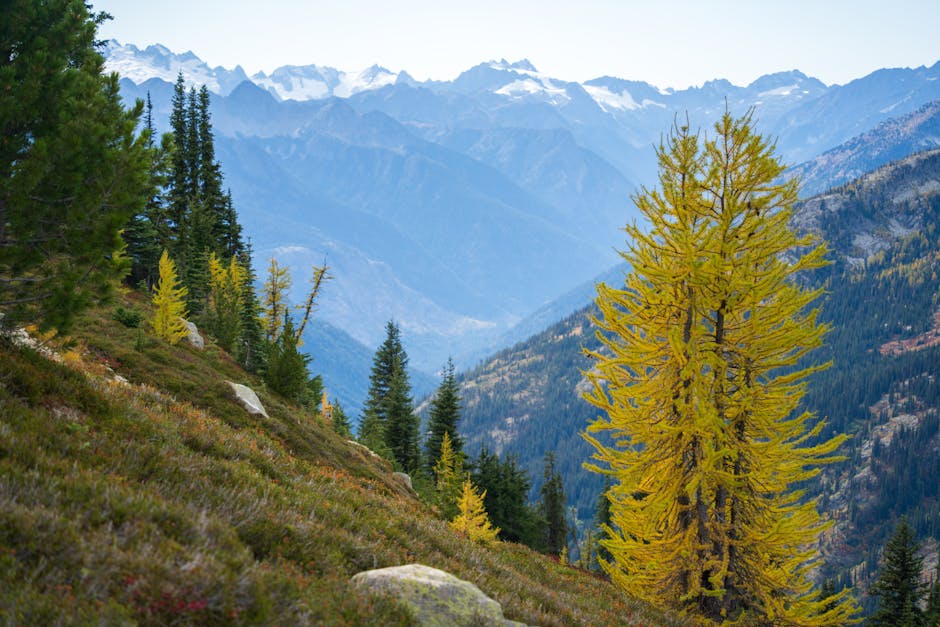
Picture this: you’ve driven four hours to the Enchantments trailhead, lottery permit in hand, and you’re wearing a cotton hoodie and running shoes. By mile four you’re wet, cold, and still eight miles from camp. Rangers in Washington pull people off these trails every summer for exactly this reason.
Washington State has over 3,000 miles of maintained hiking trails spread across five mountain ranges, two national parks, and dozens of wilderness areas. That variety is the problem for trip planning. A trail that’s perfect in August can be impassable in May. The permit system alone has three separate frameworks that don’t interact with each other. And the weather does not care about your itinerary.
This guide focuses on what actually matters: which regions suit which hikers, how to navigate permits before you drive four hours to a locked gate, and what gear works in Pacific Northwest conditions specifically — not gear designed for the Sierra Nevada or the Appalachians.
Washington’s 6 Major Hiking Regions: A Direct Comparison
Most hiking content treats Washington like one homogeneous wilderness. It isn’t. The Olympic Peninsula averages over 140 inches of rain annually at the Hoh Rain Forest visitor center. The eastern slopes of the Cascades — think Chelan or the Methow Valley — can hit 90°F and bone-dry in August. These are different hikes requiring different preparation, different gear, and different expectations.
| Region | Best Season | Permit Required? | Signature Trail | Difficulty |
|---|---|---|---|---|
| Mount Rainier NP | July–September | Yes — $35 vehicle entry | Wonderland Trail (93 mi) | Moderate–Strenuous |
| Olympic NP | June–October | Yes — $35 vehicle entry | Hall of Mosses / Hurricane Ridge | Easy–Strenuous |
| North Cascades | July–October | Trailhead permits (selected routes) | Maple Pass Loop (7.2 mi) | Moderate–Strenuous |
| The Enchantments | Late July–September | Lottery permit (March draw) | Core Zone thru-hike (19 mi) | Strenuous |
| Goat Rocks Wilderness | August–September | No (Discover Pass only) | Goat Ridge Trail (9 mi) | Moderate |
| Issaquah Alps (Seattle Area) | Year-round | No (free parking) | Rattlesnake Ledge (4 mi) | Easy–Moderate |
The Issaquah Alps — Rattlesnake Ledge, Mount Si, Tiger Mountain — get dismissed by experienced hikers as too crowded. They’re right. It doesn’t matter. If you’ve never hiked in the Pacific Northwest, starting at Rattlesnake Ledge (4 miles round-trip, 1,100 feet of elevation gain) tells you more about your actual fitness level than any training app will. Mount Si’s 8-mile round-trip with 3,150 feet of gain is the honest benchmark: finish that feeling strong and you’re ready for moderate Cascades terrain.
Goat Rocks Wilderness is the region most hikers skip and shouldn’t. No lottery. No crowded trailhead at 5am. The Goat Ridge Trail delivers flower meadows, Goat Lake, and unobstructed Cascade ridgeline views without the permit competition of the Enchantments or Rainier’s wilderness zones. It’s the best-kept open secret in Washington hiking.
The Permit System Nobody Explains Clearly
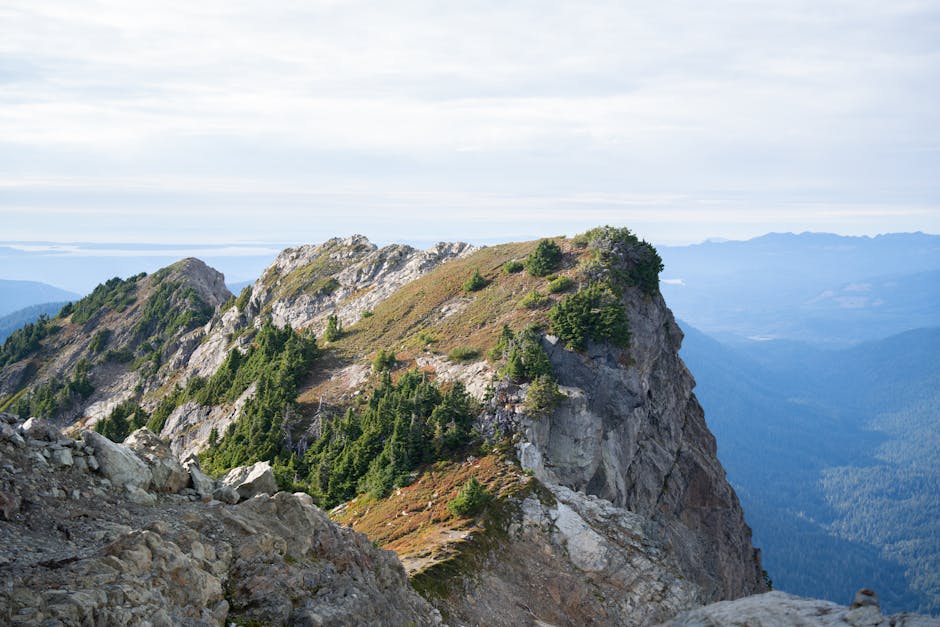
Washington’s permit landscape has three separate systems that don’t interact. Get any one of them wrong and you’re driving home. Here’s how they actually work.
Discover Pass: The Baseline Most People Miss
Most Washington State trailheads on state parks and DNR land require a Discover Pass displayed in your vehicle. Annual cost: $30. Daily cost: $10. Forget it and you get a $99 fine — not a warning, not a courtesy notice. A $99 fine. The pass is sold at Recreation.gov, REI, most outdoor retailers, and ranger stations. National Park trailheads use a separate system. The confusion happens when a trail crosses from DNR land into national forest land mid-route — in that case, both a Discover Pass and a National Forest Adventure Pass may technically apply, though enforcement varies.
The Enchantments Lottery: How It Works and What Happens When You Lose
The Core Zone of the Enchantments — the string of alpine lakes at 7,000–8,000 feet above Leavenworth that appears on every Washington hiking social media feed — requires an overnight permit from mid-June through October 31. These permits are distributed through a lottery that opens in March on Recreation.gov. The 2026 lottery received over 53,000 applications for approximately 5,300 permits. Winning odds hover around 10 percent for the most popular entry dates.
Losing the lottery doesn’t mean you can’t go. The Snow Zone and Colchuck Zone have separate permits with better availability. Day-use permits exist and are released incrementally starting in late May — setting Recreation.gov alerts gives you a legitimate shot. Hiking in October, outside peak permit season, means golden larches and significantly less competition for walk-up permits released each morning at 7:30am from the Leavenworth ranger station.
One honest note: many hikers who win the Enchantments overnight lottery describe it as their best Washington hike. Many hikers who do Maple Pass Loop in the North Cascades — no lottery required — say exactly the same thing. The Enchantments are spectacular. So is a lot of Washington that doesn’t require a lottery application in March.
National Park Wilderness Permits: A Different Reservation System
Both Mount Rainier and Olympic National Park charge $35 per vehicle for a 7-day entry pass. The America the Beautiful Annual Pass ($80) covers both parks and pays for itself in two visits — worth buying if your trip combines Rainier, Olympic, and North Cascades in any combination.
For backpacking within Rainier’s wilderness zones, you need a separate wilderness permit on top of park entry. These are managed through Recreation.gov with 70% of permits available as advance reservations (opening in March) and 30% released as walk-up permits at visitor centers starting at 7am the day before your trip. Peak summer weekends have essentially zero walk-up availability at Paradise and Sunrise. Plan in March or accept that you’re doing day hikes from the car.
What Washington’s Weather Does to Unprepared Hikers
Washington doesn’t have predictable weather. It has weather that is predictably unpredictable. Sunny at the Rainier trailhead doesn’t mean sunny at 7,000 feet two hours later.
The most common emergency calls in Rainier’s backcountry involve hikers who started in morning sun, hit afternoon clouds and rain at elevation, and were wearing cotton layers. Cotton holds moisture, stops insulating, and accelerates heat loss — this is why Washington rangers repeat the warning at every trailhead briefing. On ridgeline routes like Kendall Katwalk or the Goat Rocks ridgeline traverse, sustained wind can drop apparent temperature 20°F below the ambient reading in under an hour.
The practical rule: plan for weather three levels worse than the forecast. Check both the valley forecast and the summit forecast separately — NOAA publishes dedicated zone forecasts for Rainier’s Paradise and summit elevations. Afternoon thunderstorms are common in August on high-elevation terrain above 5,000 feet. Starting at 5 or 6am on long routes is not overcautious. It’s how you avoid being on an exposed granite ridgeline when afternoon weather builds.
Snow lingers on high passes through mid-July in most years. The Wonderland Trail’s high camps are typically snow-covered into late June. If your route goes above 5,500 feet before late July, check Washington Trails Association trip reports — other hikers update these in real time and they’re more accurate than any seasonal forecast or ranger station estimate.
Gear That Works in the Pacific Northwest: Specific Products, Honest Picks
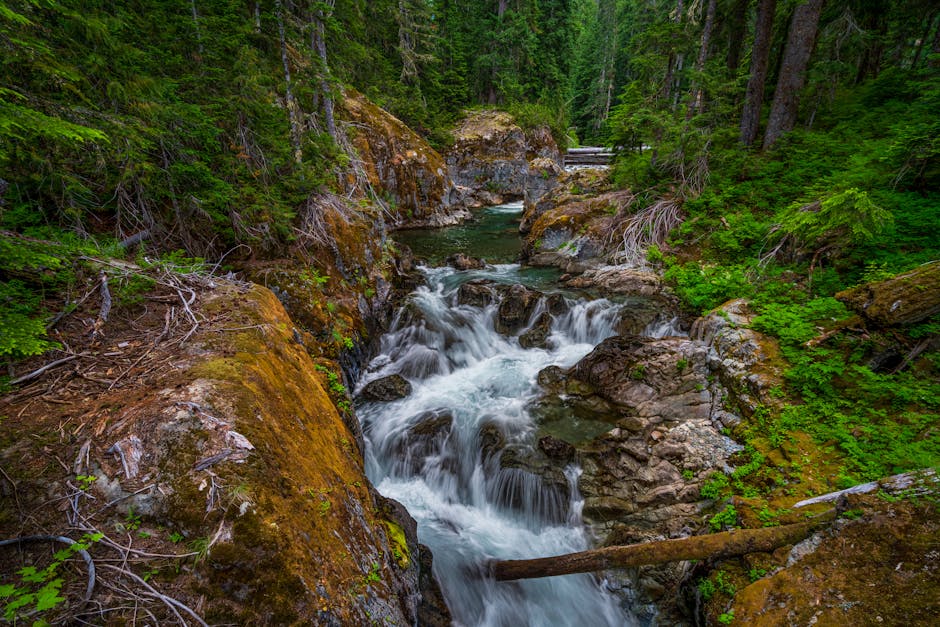
Generic gear lists say bring a rain jacket. That’s useless in Washington. Here’s what actually performs in sustained Pacific Northwest rain and cold.
- Hardshell rain jacket — Arc’teryx Beta LT ($400) or Outdoor Research Helium II ($199). The Beta LT is the benchmark for Pacific Northwest hikers. Gore-Tex Pro construction, fully seam-sealed, minimal weight at 12.5oz. The OR Helium II is the legitimate budget alternative — lighter at 6.3oz and adequate for most day hiking conditions. What doesn’t work: any jacket labeled water-resistant or DWR-treated. Those handle brief drizzle, not four-hour Cascades rain. The distinction matters when you’re soaked on mile six of an eight-mile trail.
- Waterproof hiking boots — Salomon X Ultra 4 GTX ($175) or Keen Targhee III Waterproof ($165). The Salomon X Ultra handles most Washington day hiking terrain with a precise fit and quick-drying Contagrip sole. The Keen Targhee has a wider toe box and better ankle stability for technical trails with creek crossings. Both use Gore-Tex liners — non-negotiable. Standard suede hiking boots saturate in Washington trail conditions and don’t recover within a single hiking day.
- Merino wool base layer — Smartwool Merino 150 ($75) or Icebreaker Merino 175 ($85). Merino insulates when wet, dries faster than synthetic at low exertion levels, and avoids the odor problem that accumulates in synthetic layers on multi-day trips. Get at least one top layer in merino for any Washington backpacking trip longer than two days. This is not gear industry marketing — it’s a material property difference that shows up clearly on day three of the Wonderland Trail.
- Pack — Osprey Atmos AG 65 ($270) for backpacking, Osprey Tempest 20 ($140) for day hikes. The Atmos AG’s ventilated back panel matters in Washington’s humid summer conditions — the mesh suspension keeps airflow between the pack and your back over long mileage days. The Tempest 20 carries enough for a full Cascades day hike including extra layers, food, water filter, and emergency gear without unnecessary bulk.
- Pack liner or dry bag — Sea to Summit 65L dry sack ($35). Not optional. Even quality waterproof packs saturate after several hours of heavy rain. A sleeping bag wet on day one of a three-day Wonderland Trip is not an inconvenience — it’s a tent-bound situation. The Sea to Summit sack fits inside most Osprey and Gregory packs and eliminates the risk entirely.
Trekking poles are worth mentioning specifically for Washington: any route with sustained descent — Rainier’s Wonderland sections, Mount Si’s exit, the Enchantments Snow Lakes egress — puts significant stress on knees without them. Black Diamond Trail Cork poles ($120 per pair) have the best grip in wet conditions. Extend them on downhill grades. Washington trails drop hard and fast.
Which Trails Actually Match Your Fitness Level
New to hiking — what’s honestly manageable?
Rattlesnake Ledge near North Bend: 4 miles round-trip, 1,100 feet of elevation gain, well-marked trail, a genuine summit view of the Cedar River watershed and surrounding ridgelines. It’s crowded on weekends because it works as a real benchmark hike. Hall of Mosses at Olympic National Park takes a completely different approach — a 0.8-mile flat loop through old-growth forest draped in club moss, no elevation required, extraordinary Pacific Northwest scenery. Hurricane Ridge gives you Cascades views accessible by car with short walks from the visitor center. These three cover three different environments without overcommitting.
Some hiking experience — where’s the real step up?
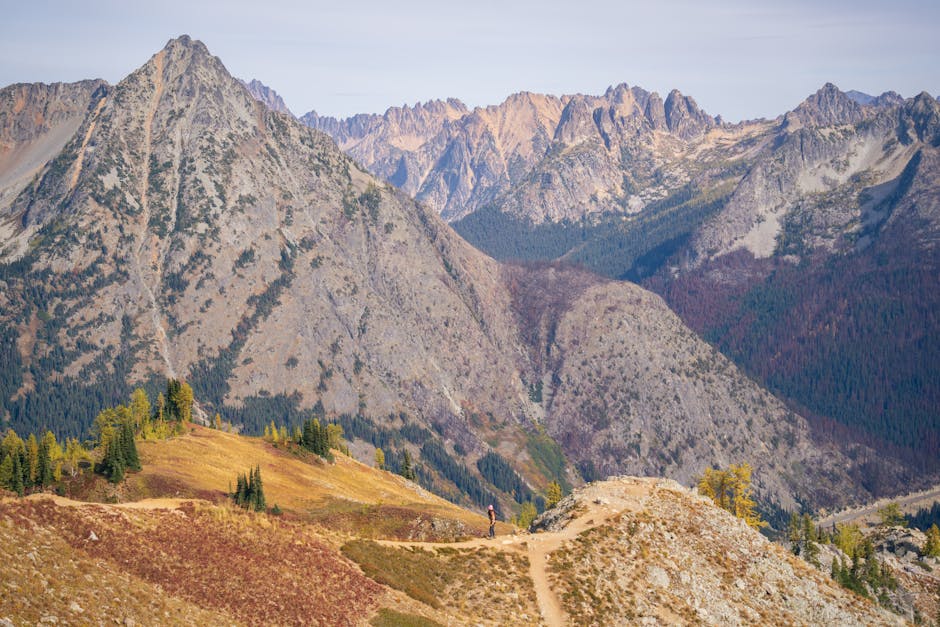
Maple Pass Loop in the North Cascades is the clear pick for intermediate hikers. It covers 7.2 miles with 1,900 feet of elevation gain and consistently earns the top spot on Washington fall hiking lists when larches turn gold in late September. The trailhead at Rainy Pass on Highway 20 fills early — arrive before 8am on September weekends or you’re parking on the highway shoulder and adding a mile each way. Snow Lake Trail near Snoqualmie Pass (7.2 miles, 1,300 feet gain) is equally accessible and noticeably less crowded. Goat Ridge Trail in Goat Rocks Wilderness (9 miles, 2,400 feet gain) rewards anyone willing to drive an hour past Mount Rainier with ridgeline views and almost zero permit friction.
Experienced hikers — what’s the real challenge?
The Wonderland Trail circles Mount Rainier over 93 miles with roughly 22,000 feet of total elevation gain. Most hikers complete it in 8–14 days using designated backcountry camps. Wilderness permits are competitive — the March reservation window fills within minutes for peak summer dates, so treat the reservation opening like a product launch and be ready at the exact time. Kendall Katwalk (11.5 miles round-trip, 2,700 feet gain from Snoqualmie Pass) follows the PCT north to a narrow shelf of trail blasted into solid granite — one of the more dramatic ridgeline positions in the state, accessible as a demanding day hike with no permit required. The Enchantments Core Zone thru-hike covers 18–19 miles with 4,500 feet of gain; most experienced hikers split it across two days using backcountry camps at Snow or Viviane Lakes.
Washington’s trails are genuinely among the best in North America. The permit friction, weather volatility, and gear requirements are equally genuine. The hikers who have consistently great trips here share one pattern: booked the permit, checked the trip reports, wore the hardshell, and matched the trail to their actual fitness level — not their aspirational one.