 By Laura Caiswell
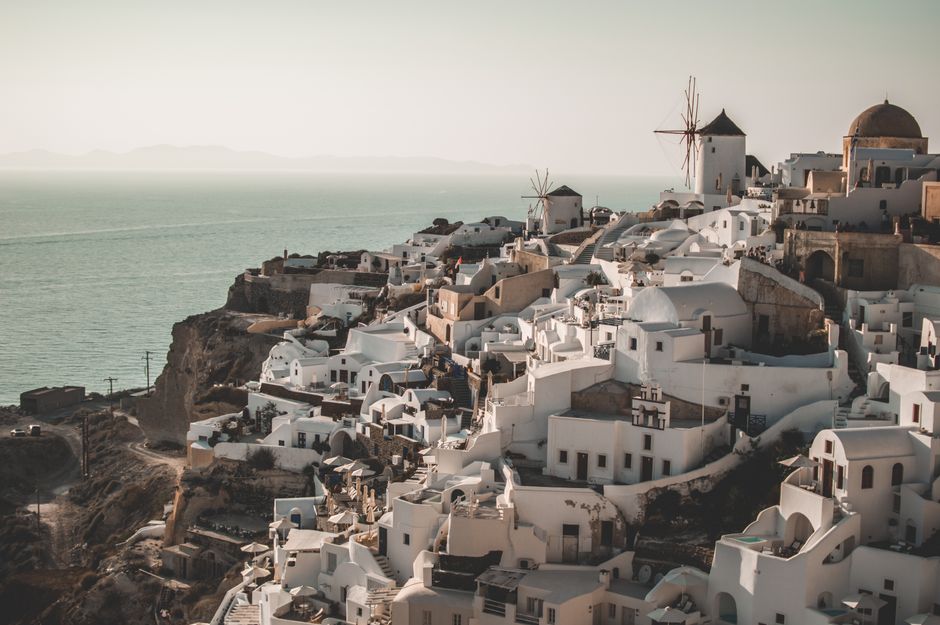
You’ve seen the photo a thousand times. The whitewashed church with the blue dome, the pink bougainvillea, the sunset turning the caldera into a watercolor painting. You booked the flight. You paid the deposit. And now, sitting at the airport gate, you’re scrolling through Reddit threads titled “Most disappointing place I’ve ever been.” Your stomach drops. Did you just spend €2,000 to stand shoulder-to-shoulder with influencers in a glorified shopping mall?
I’ve lived on this volcanic rock for six years. I’ve seen couples cry—not from the view, but from the €18 freddo cappuccino bill in Oia. I’ve also seen solo travelers weep at a sunrise in Pyrgos, completely alone, with a €1.50 spanakopita in hand. The island isn’t a scam. But the version sold to you by Instagram? That version is a lie. Here is what nobody tells you.
The Calderdera Tax: What You’re Actually Paying For
There is an unwritten pricing structure on this island. Locals call it the “caldera tax.” It has nothing to do with government levies. It’s the premium you pay simply for being within eyeshot of the volcano.
Take two identical Greek salads. At a taverna in Fira with a cliff view, you’ll pay €18–€22. Walk 200 meters inland, behind the cable car station, and the same salad—same tomatoes, same feta barrel-aged in brine—costs €8.50. The ingredients come from the same distributor in Emporio. You are paying €12 for a chair facing west.
This tax applies to everything. Hotels with a “caldera view” in Oia or Imerovigli start at €450 a night in July 2026. A cave house renovated in 2019 with a plunge pool? €900. These are real numbers from Booking.com listings I checked this morning. Meanwhile, a restored winery guesthouse in Megalochori—12 minutes by car—runs €120 a night. Same whitewashed walls. Same island. Zero crowds.
The Cruise Ship Tidal Wave
Here’s a number that matters: 8,000. That’s how many cruise passengers can disembark in a single morning during peak season. Santorini’s permanent population is roughly 15,000. Between 10 AM and 4 PM, from June through September, the narrow streets of Fira become a human traffic jam. The cable car line to the old port can take 90 minutes in the sun. The donkeys are miserable. The shopkeepers are exhausted.
If you’re staying in Oia or Fira during these hours, you will hate this island. I would too. The trick isn’t avoiding Santorini. It’s avoiding the cruise ship schedule. The official Santorini Port calendar publishes docking times months in advance. Plan your caldera visits before 9 AM or after 5 PM. The difference is the difference between a museum and a mosh pit.
The Island You’re Missing: A 48-Hour Anti-Itinerary
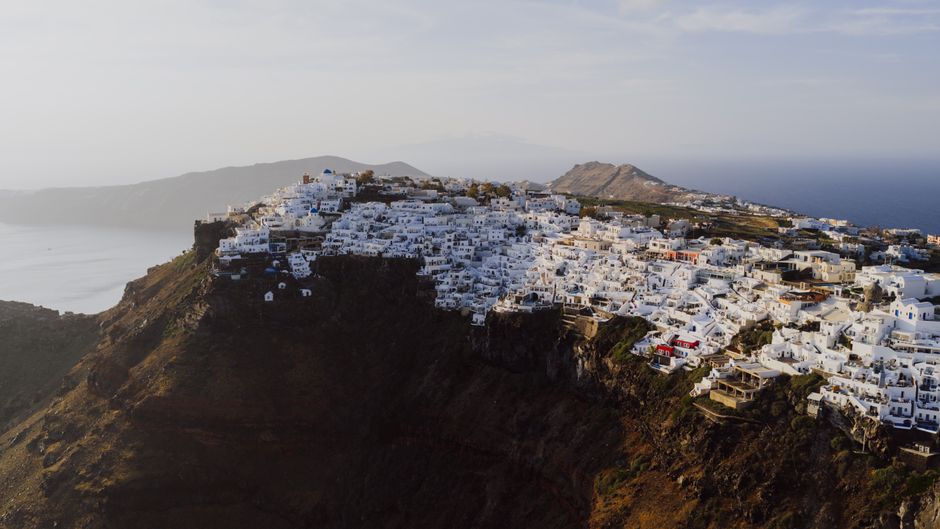
Most visitors follow the same script: Oia sunset, Red Beach, wine tour, leave. They never see the real island. Here’s what a local weekend actually looks like.
Day One: Wake up in Pyrgos, the old capital. No caldera view. Instead, you get a medieval castle, empty alleyways, and a bakery called Kallisti that sells honey-soaked loukoumades for €3. Drive to Akrotiri—not the beach, the archaeological site. It’s a Minoan city buried in ash 3,600 years ago, covered by a bioclimatic roof. Entry is €12. You’ll share the space with maybe ten other people. The frescoes are in the museum in Fira, but the three-story buildings and drainage systems are right here, preserved. This is the real Atlantis myth, not a sunset hashtag.
Lunch at The Cave of Nikolas in Akrotiri. No view. No white tablecloths. Just grilled octopus so tender you cut it with a fork, served by a family that’s been running the place since 1967. A full meal with wine runs €25 per person. Book nothing else. At 6 PM, drive to the lighthouse at Akrotiri’s southern tip. Bring a €5 bottle of Assyrtiko from the corner store. Watch the sun drop into the sea with zero crowds and a 270-degree horizon. This is the sunset locals guard.
Day Two: Hike the trail from Fira to Oia. Start at 7 AM. The 10-kilometer path along the caldera edge takes about three hours. You’ll pass through Firostefani and Imerovigli before the dirt path truly begins. By the time you reach Oia, the first tour buses are just arriving. You’ve already seen the best views, in silence, with the morning light. Reward yourself with a swim at Ammoudi Bay, 300 steps below Oia. The water is frigid and impossibly clear. Skip the overpriced tavernas on the water. Buy a cold Mythos from the tiny kiosk near the parking lot and drink it on the rocks.
When Santorini Is Absolutely Worth It
October 15th to November 10th. That’s the window.
The sea is still warm enough to swim—around 22°C. The cruise ships thin out dramatically. Hotel prices drop by 40–60%. The light changes. The harsh summer white becomes golden, softer. Tavernas still operate, but the desperation of August service shifts into something genuine. You can walk into a restaurant in Ammoudi without a reservation and get a table on the water.
I’ve hosted friends in late October who got a cave suite in Oia for €180 a night—the same room that cost €700 in August. They watched the sunset from their private terrace with a blanket and a bottle of Vinsanto. No selfie sticks. No drone buzzing overhead. That version of Santorini is not overrated. It’s underpriced.
April is the other bookend. The wildflowers carpet the caldera cliffs in red poppies and yellow chamomile. The weather is unpredictable—you might get a 20°C day or a windy 14°C. But the island feels like it belongs to you. The downside: some hotels and restaurants won’t open until late April. Always call ahead.
| Season | Hotel Price (Caldera View) | Crowd Level | Water Temp | Verdict |
|---|---|---|---|---|
| April – May | €150–€300 | Low | 17–19°C | Best for hiking and solitude |
| June – September | €450–€900+ | Extreme | 23–25°C | Only if you stay inland and avoid cruise hours |
| October – November | €120–€250 | Low–Moderate | 20–22°C | The sweet spot. Go here. |
Four Mistakes That Will Ruin Your Trip
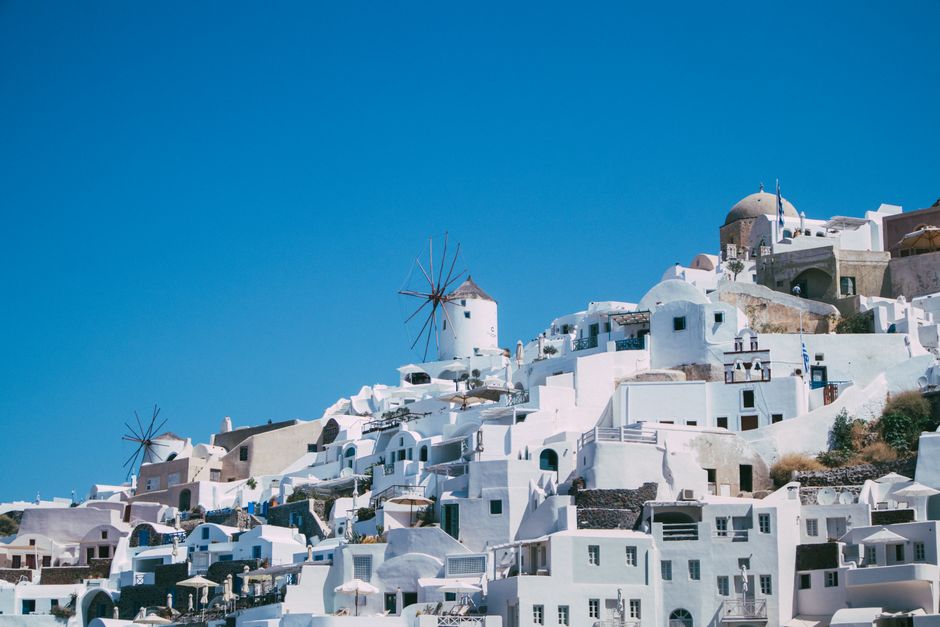
Mistake 1: Booking a hotel based on the pool photo. Many “cave pools” are unheated plunge pools the size of a bathtub. In April or October, the water is freezing. If the listing doesn’t say “heated,” assume it’s not. Ask the hotel directly before booking.
Mistake 2: Renting a car at the airport without a reservation. In summer 2026, every rental agency on the island sold out by 11 AM during peak weeks. The same will happen in 2026. Book a small car—a Fiat Panda or similar—at least three months ahead through a local agency like Vazeos or Spiridakos. International chains cost 30% more for the same cars. Expect to pay €45–€65 per day in high season. An automatic transmission adds €15 per day and must be reserved early.
Mistake 3: Thinking the Red Beach is a beach. It’s a landslide waiting to happen. The cliffs are unstable red volcanic rock. There are signs warning you not to sit directly beneath them. People ignore the signs. Every few years, a rockfall sends someone to the health center. The sand is coarse and the access path is a scramble over loose stones. Go to Vlychada instead. It’s a organized beach with sunbeds (€15 per set), dark sand, and white pumice cliffs that look like a moonscape. No falling rocks.
Mistake 4: Eating dinner at sunset. Restaurants with caldera views know exactly what they’re selling. A sunset table at a place like Ambrosia in Oia requires a reservation weeks ahead and a minimum spend. The food is fine. It’s not €80-per-person fine. Eat dinner at 9 PM, after the sun is gone and the crowds have shuffled back to their buses. The restaurants are quieter, the service improves, and you can actually hear the person across the table.
The Real Santorini: Towns Worth Your Time
Skip Oia entirely. I mean it. If you must see the blue domes, go at 7:30 AM, take your photo, and leave. The island has better villages.
Pyrgos is the old capital. It’s built in a spiral around a Venetian castle, with the best views from the top. There are no souvenir shops selling “I Love Greece” t-shirts. Just a few excellent tavernas, like Kantouni, where the owner cooks whatever his garden produced that morning. A plate of fava with caramelized onions and a glass of ouzo costs €9. You’ll sit on a terrace overlooking the entire island, from the airport to Oia, and wonder why anyone crowds into Fira.
Megalochori is a wine village. The streets are so narrow you can touch both walls with outstretched arms. The bell towers are ornate and crumbling. Boutique wineries like Gavalas and Boutari offer tastings for €15–€25. Gavalas makes a dry Assyrtiko that tastes like crushed stones and lemon peel. Their cellar is a cave dug into volcanic rock. No caldera view. Just excellent wine and a family that’s been making it since the 19th century.
Emporio is where actual islanders live. It’s the largest village, with a medieval castle section called Kasteli. The streets are covered vaulted passageways designed to protect from pirate raids and summer heat. You’ll see grandmothers sweeping doorsteps and kids on bicycles. There’s one tourist shop. One. The bakery on the main square sells fresh bougatsa—custard pie with cinnamon—for €1.80. Eat it on a bench. Watch village life happen around you.
So, Is It Overrated?
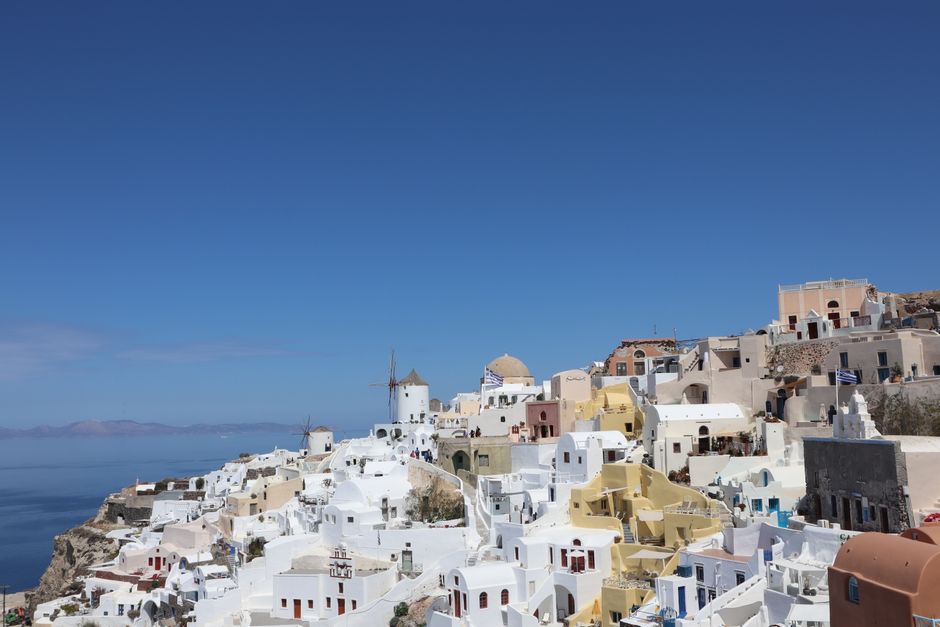
Yes and no.
The version of Santorini sold by travel influencers—the one where you float alone in a heated infinity pool above the caldera, drinking Champagne at sunset in complete silence—that version does not exist. It never did. What exists is a small, volcanic island with a genuine geological wonder, some of the best wine in Greece, and a tourism industry that has cannibalized its most famous villages.
If you come in August, stay in Oia, and expect the Instagram fantasy, you will leave angry. You will write the angry Reddit post. You will tell your friends it’s overrated. And you’ll be right—about the experience you chose.
If you come in late October, rent a small car, stay in Pyrgos or Megalochori, hike the caldera at dawn, swim at Vlychada, and drink Assyrtiko in a cave cellar while the owner tells you about the 1956 earthquake—you will leave planning your return. The island is not the problem. The timing and the itinerary are.
That €18 freddo cappuccino in Oia is a choice. The €1.80 bougatsa in Emporio is also a choice. Make the right ones.