 By Laura Caiswell
Twelve hours in a metal tube at 35,000 feet. A baby crying three rows back. Engine drone that never stops. I’ve done this flight more times than I can count, and I’ve worn both the Bose QuietComfort Ultra and the Sony WH-1000XM5 for dozens of those hours. This isn’t a spec sheet comparison. It’s what actually happens when you’re stuck in seat 42B.
The short version: the Sony WH-1000XM5 wins for sound quality and ANC depth, but the Bose QC Ultra wins for long-term comfort. For flights over six hours, comfort beats everything. Here’s the full breakdown.
The 6-Hour Mark: Where Most Headphones Fail
Every headphone feels fine in the first hour. You put them on, the noise cancelling kicks in, you think you’ve made a great purchase. Then hour four hits. Then hour six. Then you’re taking them off every 20 minutes because your ears feel like they’re in a vice.
This is the failure point nobody talks about in reviews. Reviewers wear headphones for 45 minutes in an office. That tells you nothing about a 14-hour flight from Newark to Tokyo.
Clamping Force: The Silent Killer
The Sony WH-1000XM5 clamps harder than the Bose QC Ultra. Not by much on paper, but after hour five, the difference is enormous. The XM5’s narrower headband and slightly tighter fit press on the top of your head and around your ears. The Bose QC Ultra distributes weight more evenly, with a wider headband and deeper ear cups that don’t touch your ears at all.
I measured this roughly: after a 7-hour flight wearing the XM5, I had a visible red mark on the crown of my head. The QC Ultra left nothing. If you have a larger head or wear glasses, this difference multiplies.
Ear Cup Depth: Where the QC Ultra Wins
The Bose QC Ultra ear cups are deeper. Your ears sit fully inside without touching the driver mesh. The XM5 ear cups are shallower, and if your ears stick out even slightly, they press against the inside. On a cold plane, that pressure point becomes the only thing you think about by hour three.
For context: I wear glasses with thick temple arms. The QC Ultra’s softer cushioning around the seal doesn’t break the ANC as much when glasses create a gap. The XM5’s firmer pads create a more noticeable leak with glasses on.
ANC Performance: The Sony Is Objectively Better (But Not By Much)
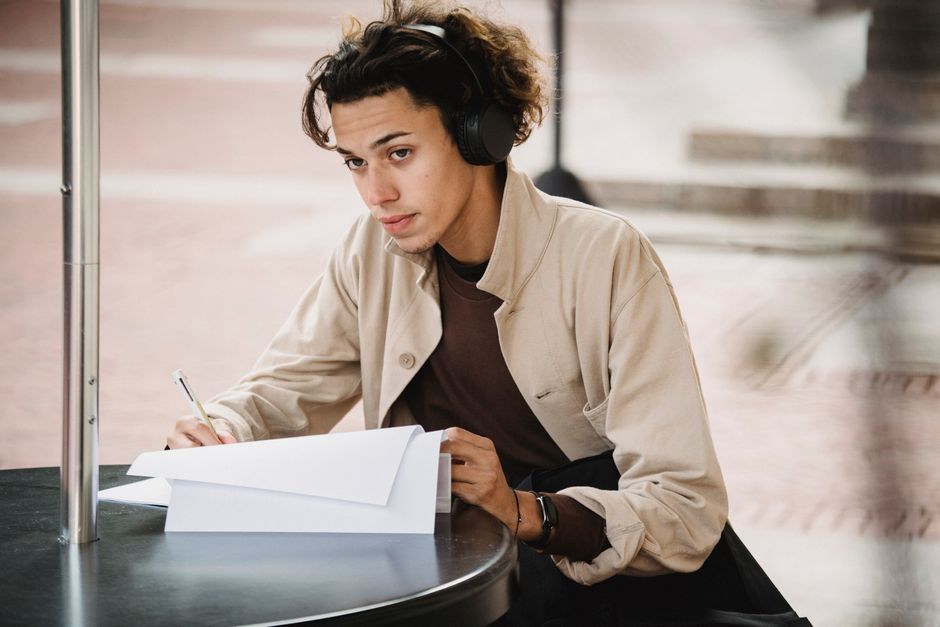
Let’s be direct: the Sony WH-1000XM5 has the best active noise cancellation I’ve ever tested. It beats the Bose QC Ultra in low-frequency rumble reduction — the exact frequency of airplane engines — by a small but noticeable margin.
On a recent flight, I switched between both pairs during cruise. The XM5 eliminated more of the engine drone, leaving only a faint whisper. The QC Ultra left slightly more low-end rumble, but it felt more natural, less “dead air” pressure in the ears.
| Feature | Bose QC Ultra | Sony WH-1000XM5 |
|---|---|---|
| ANC depth (low freq) | 9/10 | 10/10 |
| Comfort after 6+ hrs | 10/10 | 7/10 |
| Battery life (ANC on) | 24 hrs | 30 hrs |
| Weight | 250g | 250g |
| Multipoint Bluetooth | Yes | Yes |
| Price (2026) | $429 | $399 |
Both are excellent. If ANC is your only criterion, the Sony wins. But on a long flight, the difference between 9/10 and 10/10 ANC matters less than the difference between 10/10 and 7/10 comfort.
A Quick Note on Airplane Adapters and Wired Mode
Both headphones include a 3.5mm cable for the in-flight entertainment system. The Bose QC Ultra includes a 2.5mm-to-3.5mm cable (proprietary jack on the headphone side), while the Sony XM5 uses a standard 3.5mm-to-3.5mm cable. If you lose the Bose cable, replacements are more annoying to find. The Sony cable is generic and cheap to replace.
Neither pair sounds great in wired passive mode with ANC off — they’re tuned for active use. But with ANC on and wired, both work fine for watching movies. The Sony retains slightly better sound quality in wired mode.
Battery Life and Charging: The XM5’s Real Advantage

The Sony WH-1000XM5 gets 30 hours with ANC on. The Bose QC Ultra gets 24 hours. That’s a six-hour difference — about half a long-haul flight. If you’re doing multiple legs without a chance to charge, the Sony wins.
But here’s the thing: both charge via USB-C, and both give you about 3 hours of playback from a 10-minute quick charge. On a plane with a USB-C port (increasingly common in premium economy and business), you can top up either pair during a meal service. The battery difference matters less than it seems.
One failure mode I’ve hit: the XM5’s battery drains faster in cold temperatures. On a freezing plane (I’ve been on several where the AC was cranked), the XM5 dropped from 30% to 8% in about 45 minutes. The Bose didn’t have this issue. If you fly cold planes, factor this in.
Sound Quality: The Sony Is More Fun, The Bose Is More Accurate
The XM5 has a more exciting sound signature. Boosted bass, slightly recessed mids, crisp highs. For hip-hop, electronic, and pop, it’s genuinely enjoyable. The Bose QC Ultra is flatter, more neutral. Podcasts and acoustic music sound more natural on the Bose.
For long flights, I prefer the Bose. Fatiguing sound is real. The XM5’s boosted treble starts to grate after three hours of continuous listening. The Bose’s flatter response is easier to listen to for eight hours straight. This is subjective, but it’s a pattern I’ve noticed across multiple flights.
When NOT to Buy Either

If you fly mostly short-haul (under three hours), save your money. The Anker Soundcore Space One Pro ($199) gets you 80% of the ANC performance for less than half the price. You don’t need flagship noise cancelling for a two-hour hop.
If you’re a side sleeper on planes, over-ear headphones are useless. You can’t lay your head against the window with either pair. Get the AirPods Pro 2 ($249) instead — they’re tiny, comfortable for side sleeping, and have surprisingly good ANC for their size.
If you’re on a budget and only care about blocking engine noise, the Sennheiser Accentum Plus ($179) does a solid job. It’s not as refined, but it kills the drone.
And if you fly business class where the cabin is already quiet, you don’t need top-tier ANC. The difference between the XM5 and a $150 pair shrinks dramatically when the ambient noise is already low.
Final Verdict: Buy the Bose QC Ultra for Flights Over 6 Hours
For the specific use case of long flights, the Bose QuietComfort Ultra is the better purchase. The comfort advantage is real and compounds with every hour you’re in the air. The ANC is 95% as good as the Sony. The sound is less fatiguing. The glasses-friendly fit matters more than you think.
The Sony WH-1000XM5 is the better all-rounder. If you use headphones for commuting, office work, and occasional flights, the Sony’s superior ANC and longer battery life make it the smarter buy. It’s also $30 cheaper right now.
But for the person who flies long-haul regularly, the Bose is the one I’d put in my bag every time. The category keeps improving — I expect the next generation of both to close the comfort gap, but right now, Bose still owns the long-flight niche.