 By Laura Caiswell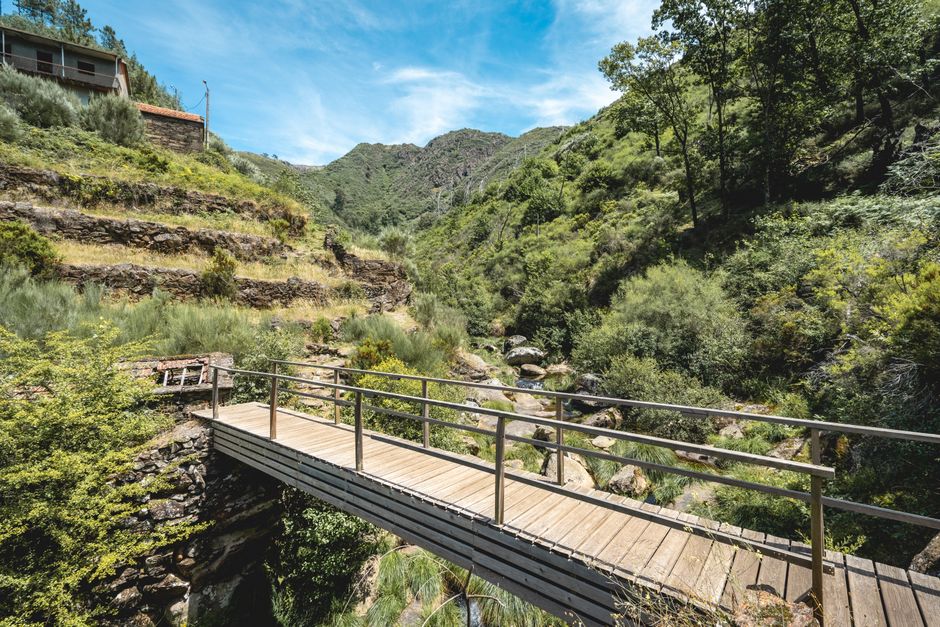
A common misconception is that spring makes every Madeira trail equally pleasant. It does not. The island has several climates within a short drive: damp, shaded levadas can stay slippery while exposed mountain routes face strong wind, cloud, and sudden temperature drops. The best spring walking holiday matches the route to the day’s weather, your fitness, and the trail’s official status.
This is not legal advice — consult a licensed attorney.
Should you choose a Madeira levada or mountain trail in spring?
The short answer
Choose a levada for reliable scenery, forest cover, and a steadier effort. Choose a mountain trail for higher views, bigger climbs, and a greater chance of cloud or wind changing the experience. For a first spring visit, the strongest plan is to combine both rather than build the whole holiday around one famous route.
| Trail | Distance | Official duration | Difficulty | Best spring use |
|---|---|---|---|---|
| PR 6.2 Levada do Alecrim | 7 km return | 2 hours 30 minutes | Easy | Water, forest, and a relaxed day |
| PR 6.1 Levada do Risco | 3 km return | 2 hours | Easy | A short waterfall walk |
| PR 6 Levada das 25 Fontes | 8.6 km return | 3 hours | Moderate | A classic levada day at Rabaçal |
| PR 18 Levada do Rei | 10.6 km return | 3 hours 30 minutes | Moderate | Longer Laurisilva forest walking |
| PR 1.2 Vereda do Pico Ruivo | 5.6 km return | 1 hour 30 minutes | Moderate | High mountain views from Achada do Teixeira |
| PR 8 Ponta de São Lourenço | 8 km return | 2 hours 30 minutes | Moderate | Dry, exposed coastal scenery |
Why levadas usually win on unsettled days
Levadas are historic irrigation channels that carry water across slopes. Their paths often pass through forest, which gives walkers shade and shelter from strong sun. They are not flat promenades, however. Wet stone, narrow ledges, tunnels, steps, and drops beside the channel can make an easy-rated route feel demanding when conditions turn poor. The official route page for PR 6.2 Levada do Alecrim lists a 7-kilometre return walk at roughly 1,256 to 1,339 metres, so even an easy route may feel cool and misty in spring.
Which Madeira trails suit spring weather best?
For wet or cloudy days: Rabaçal and the north
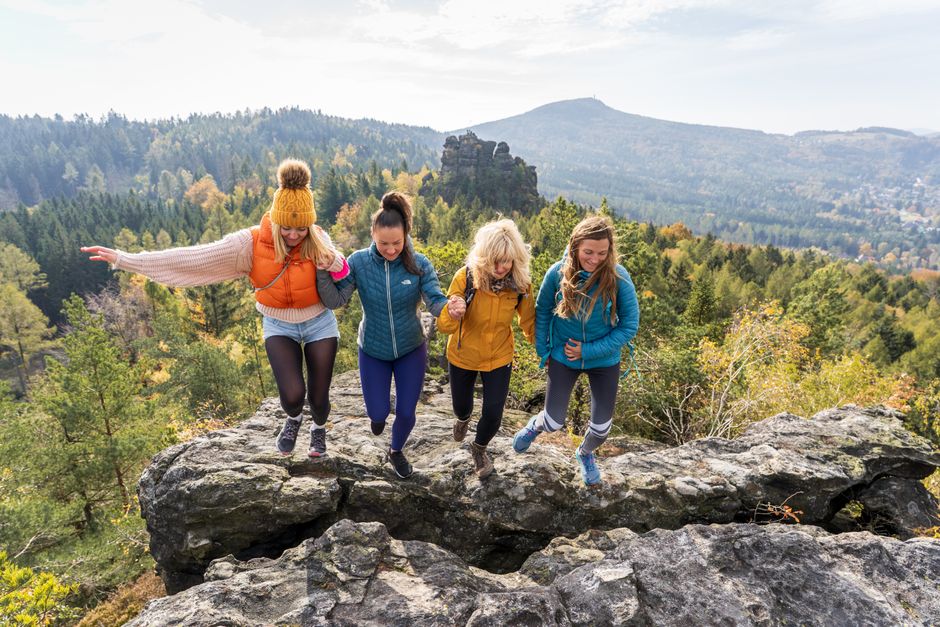
Rabaçal gives you several route choices in one highland area. PR 6.1 Levada do Risco is the sensible short option when rain has narrowed your time or energy. PR 6.2 Levada do Alecrim adds distance and reaches the Dona Beja lake. PR 6 Levada das 25 Fontes is the most famous choice, but popularity is part of the trade-off: the path can feel crowded, especially around the lagoon and narrow sections.
PR 18 Levada do Rei is a better choice for a quieter forest day. It starts near São Jorge and follows a 10.6-kilometre return route toward Ribeiro Bonito. The official estimate is 3 hours 30 minutes, with moderate difficulty and an altitude range of about 535 to 573 metres. That lower elevation can be more comfortable than the high plateau when cloud sits over the mountains, though rainfall can still make the path slick.
For clear days: Pico Ruivo or Ponta de São Lourenço
Clear spring weather justifies a mountain or coastal route. PR 1.2 Vereda do Pico Ruivo starts at Achada do Teixeira and reaches Madeira’s highest point at 1,862 metres. The marked route is 5.6 kilometres return, with an official walking time of about 1 hour 30 minutes. The distance is modest, but the altitude changes the risk calculation. A bright morning in Funchal does not prove that Pico Ruivo will be clear or calm.
PR 8 Ponta de São Lourenço offers the opposite landscape. The peninsula is mostly open, dry, and exposed, with little tree cover and steady wind on some days. Its 8-kilometre return route reaches Casa do Sardinha and is rated moderate. It is the better alternative when the mountains are wrapped in cloud but the eastern coast has clear visibility. The official trail page currently lists temporary diversions for PR 8, so follow signs rather than older guidebook instructions.
How should you plan a five-day spring walking holiday?
A practical five-day structure
- Day one: keep the first walk low-risk. Use a short coastal or forest route after arrival. The purpose is to learn how your legs handle Madeira’s steps and slopes before booking a demanding mountain day.
- Day two: choose one Rabaçal route. Pick PR 6.1 for a shorter outing, PR 6.2 for a quieter levada experience, or PR 6 for the full 25 Fontes walk. Do not treat all three as one casual extension; distance and crowding can change the day.
- Day three: reserve a weather window. Use this day for PR 1.2 Vereda do Pico Ruivo or another high route. Check the mountain forecast and official status on the morning of the walk. If cloud, wind, or rain is poor, swap in PR 18 or a lower route.
- Day four: walk the exposed coast. PR 8 Ponta de São Lourenço works well as a contrasting day. Carry more water than you would on a shaded levada because the peninsula offers limited cover.
- Day five: leave room for a change. Madeira’s weather and trail restrictions can disrupt fixed plans. Keep the final day for a route you can reach easily, or repeat the landscape type you enjoyed most.
What to carry without overpacking
Use footwear with a firm sole and dependable grip. A pair such as the Salomon X Ultra 4 Mid GTX is built around a waterproof hiking design, but no boot stays dry when water enters from the ankle or a heavy downpour lasts for hours. A 22-litre pack such as the Osprey Talon 22 is enough for a day walk if you pack a waterproof layer, food, water, and a small first-aid kit. For remote or high routes, a Garmin inReach Mini 2 adds two-way satellite messaging and long battery life, but it does not replace a charged phone, a route plan, or a decision to turn around. These are examples of useful specifications, not required purchases.
What mistakes cause problems on Madeira walking holidays?
Five failure points to avoid
- Trusting a booking made months ago. Trail status can change because of rockfall, erosion, repairs, fire risk, or weather. Check the official Visit Madeira or IFCN status shortly before departure and again on the day.
- Assuming “easy” means risk-free. An easy levada may still include wet paving, tunnels, steep steps, and unprotected edges. Difficulty ratings describe the route as a whole; they do not remove the need for care.
- Starting too late. A route estimated at three hours may take longer when you stop for water, photographs, queues, or muddy ground. Start with enough daylight for a slow return.
- Ignoring the return distance. PR 6, PR 18, and PR 8 are commonly described with one-way figures followed by a return figure. Plan for the full distance, not the smaller number displayed first.
- Walking beyond a closure or diversion. A familiar online route may not match current conditions. Barriers and official signs are part of the safety information, not optional suggestions.
What changed for classified trails in 2026?
From 1 January 2026, visitors must reserve access to classified PR walking trails through the Regional Government’s SIMplifica platform. Visit Madeira states that the general visitor fee is normally €4.50, while individual trail pages show the applicable conditions and exemptions for children. Payment should be made before entering areas where mobile coverage may be weak. The official Madeira hiking page lists current trail conditions, while IFCN explains that closures and restrictions are decided for safety, weather, ground risk, or works. A weather warning does not automatically mean every trail is closed, so check the route-specific notice.
When should you skip a Madeira mountain trail?
The clear recommendation
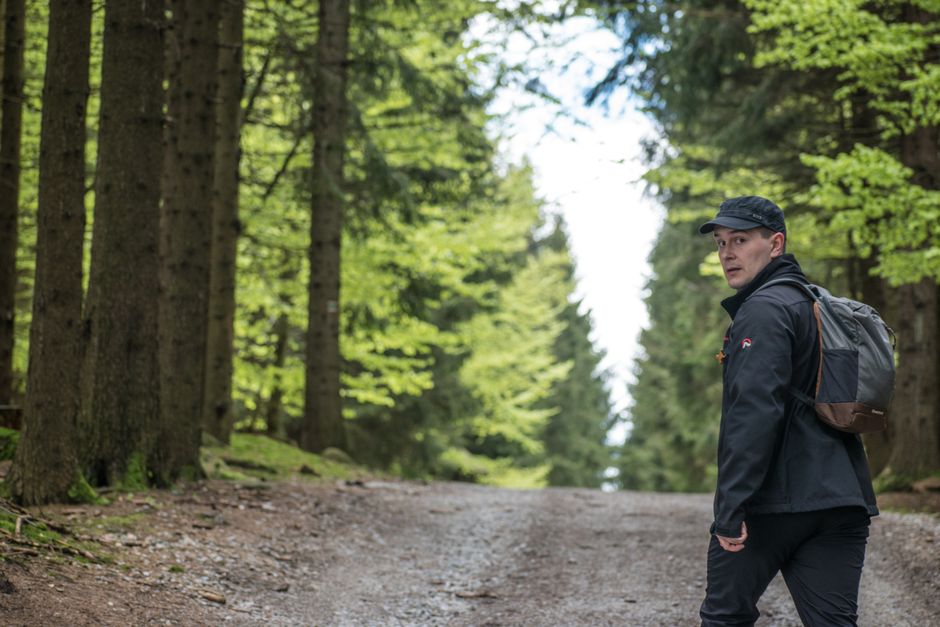
Skip a high mountain trail when the forecast gives you poor visibility, strong wind, or a wet surface that exceeds your experience; choose a lower levada or sheltered forest route instead. The view from Pico Ruivo is not worth treating a changing ridge as a test of courage. Madeira gives you enough route variety to change plans without losing the walking holiday.
Questions to ask before setting out
Is the route open? Confirm the current status and reservation requirement through the official channels. Can everyone in the group manage the return distance? Judge this by the slowest walker, not the fastest. What is the escape plan? Know where you can turn back, how you will return to transport, and what you will do if cloud removes your landmarks. Are you prepared for two climates in one day? Pack a waterproof layer even when Funchal is warm, especially for routes above 1,000 metres.
For most first-time visitors, the best spring itinerary combines one short levada, one longer forest route such as PR 18, one clear-weather mountain day at PR 1.2, and one exposed coastal walk at PR 8. Reserve official trails in advance, verify status before every walk, and make the lower levadas your fallback. That combination gives you Madeira’s strongest spring scenery while keeping the plan flexible enough for the island’s fast-changing conditions.