 By Laura Caiswell
The Danube Cycle Path is one of Europe’s easiest long-distance rides for a first tour. In spring, you get cooler temperatures, green riverbanks, and fewer crowds, but you also need a plan for rain, early-season ferries, and short daylight.
The safest beginner choice is the Passau-to-Vienna section, ridden in six to eight days with luggage transfers or light panniers.
Which Danube section is best for a first spring ride?
Passau to Vienna is the clear beginner winner. The route stays close to the river, has frequent towns, and offers easy train access when weather or tired legs change your plan. The Austrian route is part of EuroVelo 6 and is mostly flat, although the exact distance changes with the bank you choose, ferries, and town detours.
Compare the three popular starter sections
| Section | Approximate distance | Beginner verdict | Spring concern |
|---|---|---|---|
| Passau to Vienna | 320–380 km | Best first tour; allow 6–8 days | Rain, cool mornings, ferry changes |
| Vienna to Bratislava | 65–85 km | Best for a long weekend | Less scenery than the western section |
| Bratislava to Budapest | 270–300 km | Good second trip | More route variation and less continuous cycling infrastructure |
Why Passau to Vienna works
Passau gives you a simple starting point, while Vienna has excellent rail, airport, and hotel connections. Along the way, you pass the Schlögen Loop, Linz, Melk Abbey, the Wachau Valley, Krems, and several towns with bike services. The route’s low climbing matters more than speed. A beginner can ride 45–65 km, stop for lunch, and still arrive before dinner.
The official EuroVelo 6 Passau-to-Vienna route information is the best place to download current GPX data and check development notes before departure. For 2026, check closures again shortly before you leave because river works and flood protection projects can change the signed route.
What is spring weather like on the Danube?
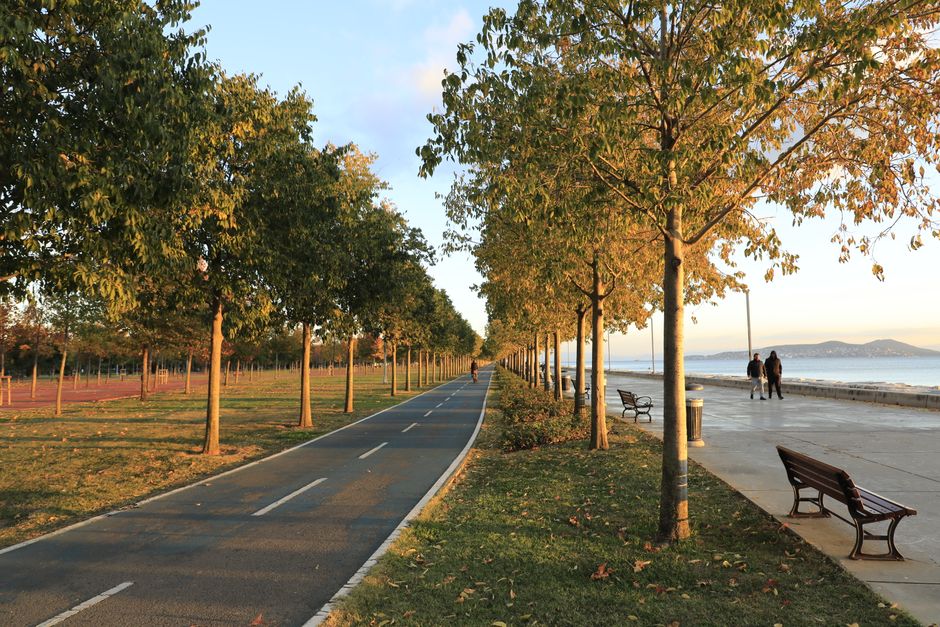
Spring is comfortable when you plan for variation rather than a perfect forecast. April and May can bring sunny afternoons near 20°C, cold mornings around 5°C, strong wind beside open fields, and heavy rain within the same week. The river corridor also feels colder than a city street because the route is exposed and often shaded.
Use the three-layer packing rule
- Wear a close-fitting base layer that dries quickly. Avoid cotton because it stays wet after rain or sweat.
- Add a light insulating layer for mornings and long descents. A thin fleece or synthetic jacket is enough for most spring days.
- Carry a waterproof shell, shoe covers, and gloves in an easy-to-reach pocket. Do not bury rain gear at the bottom of a pannier.
Pack for wet roads, not only rain
Full mudguards keep dirty water off your back and help your brakes, chain, and luggage stay cleaner. Bring two spare inner tubes, tire levers, a pump, a multitool, chain lubricant, and a small first-aid kit. Add a dry bag for your phone and passport. A waterproof pannier is useful, but it is not a substitute for separating clothes from tools and food.
Choose dates with enough daylight
By late April and May, daylight is generous enough for relaxed riding. In early March, the route may feel quiet but some seasonal cafés, ferries, and bike-rental offices may not be operating on their full schedules. For a first trip, the strongest window is late April through May. Book flexible accommodation and check the ten-day forecast before committing to the hardest stage.
What bike and navigation setup should a beginner use?
Choose comfort, repair access, and luggage mounts over racing speed. A flat-bar hybrid, touring bike, or trekking e-bike suits the paved and compact-surface sections better than a narrow-tire road bike. Test the loaded setup for 40 km before the trip.
Is a basic hybrid bike enough?
Yes. The Trek FX 2 Gen 4 is a sensible example: it uses 700×35 mm tires, accepts tires up to 700×40 mm, weighs about 11.95 kg in size M, and has rack and fender mounts. Its nine-speed Shimano CUES drivetrain gives a beginner a wide enough range for bridges, short ramps, and loaded riding. It is a better fit than an aggressive road bike for riders who want an upright position and simple handling.
Do you need a dedicated GPS computer?
Not strictly, but the Garmin Edge Explore 2 makes navigation easier in rain and bright daylight. It has a 3-inch color screen, IPX7 water resistance, and battery life rated up to 16 hours in demanding use. Download the route before departure and keep your phone available as a backup. Never rely on live mobile data alone because river sections and forests can produce weak signals.
How should luggage stay dry?
The Ortlieb Back-Roller Classic pair offers 40 liters of total space, weighs about 1.9 kg as a pair, and uses a roll closure with an IP64 rating when closed correctly. Its stated load limit is 9 kg per pannier. For a beginner, pack no more than 6–7 kg per side. Keep heavy tools low and close to the rear axle, and place rain gear on top where you can reach it without unpacking everything.
What mistakes ruin a first Danube bike tour?
My strongest advice: do not turn a flat leisure route into an endurance challenge. The Danube rewards slow travel. Most bad days come from poor timing, overloaded bikes, or a route file that was never checked after downloading.
Mistake 1: booking every night too tightly
Arriving 20 minutes late can become a real problem when a guesthouse closes reception, a ferry has stopped for the day, or a train connection is full. Book the first and final nights in advance, then choose flexible rooms for the middle stages. Leave at least one hour between your planned arrival and dinner reservations.
Mistake 2: assuming every surface is smooth
The Austrian section is beginner-friendly, but the route includes paved roads, shared paths, cobbles, gravel patches, ramps, and short detours. A narrow racing tire feels fast until it meets wet gravel with luggage. Tires around 35–42 mm give a better balance of speed and grip. Check tire pressure every morning and lower it slightly on rough surfaces, while staying within the tire maker’s range.
Mistake 3: following an old GPX file without checking signs
Official route data can change. Construction, floods, bridge works, and seasonal ferry service can force a diversion. Download the current file, compare it with local signs, and ask your accommodation about closures. If the map and a signed barrier disagree, stop and confirm the detour. Never squeeze through a closed section simply because the GPS line continues.
How do ferries, trains, and route changes work?
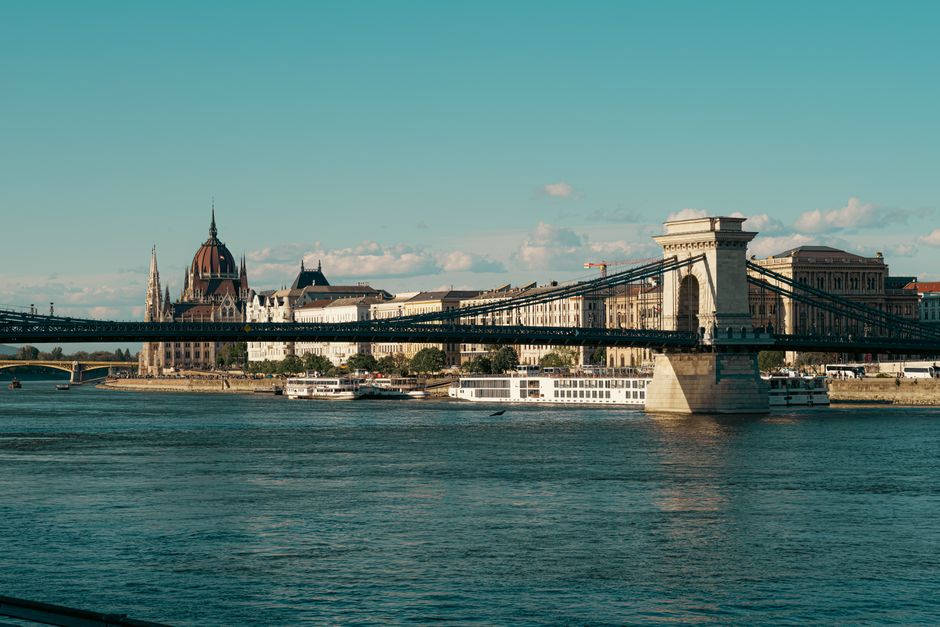
The beginner verdict is simple: treat every crossing as a scheduled transport connection, not as an automatic part of the path. Ferries may run less often in early spring, stop during high water, or accept only a limited number of bicycles.
What should you check before a ferry?
- Confirm the operating day and first and last departure.
- Ask if bicycles need a separate ticket or reservation.
- Carry cash in euros because small crossings may not accept cards.
- Arrive 15–20 minutes early with your bike unloaded if staff require it.
- Save the next bridge or train station as a backup route.
When is the train the smarter choice?
Take a train when heavy rain, illness, a mechanical problem, or a late ferry threatens the rest of the day. Do not assume every train has unlimited bicycle space. Check the national railway booking page, look for bicycle symbols, and reserve a bike place when required. Regional trains are often more useful than fast intercity services, but the rules differ by country and train type.
In towns such as Linz, Melk, Krems, and Vienna, a train can save a tired rider without ending the trip. That flexibility is one reason the Passau-to-Vienna section works so well for beginners.
What should you book for a relaxed spring trip?
Book small towns rather than forcing yourself to sleep only in major cities. A bike-friendly guesthouse with secure indoor storage, breakfast, laundry access, and a nearby restaurant is more valuable than a stylish room several kilometres from the route.
Use a simple booking checklist
- Ask if the bicycle can sleep indoors or in a locked room.
- Confirm check-in time if you expect to arrive after 18:00.
- Check the nearest grocery shop, pharmacy, and bike repair service.
- Choose free cancellation for at least the middle stages in April or early May.
- Keep the address offline in case your phone battery runs low.
Should you ride to Vienna, Bratislava, or Budapest?
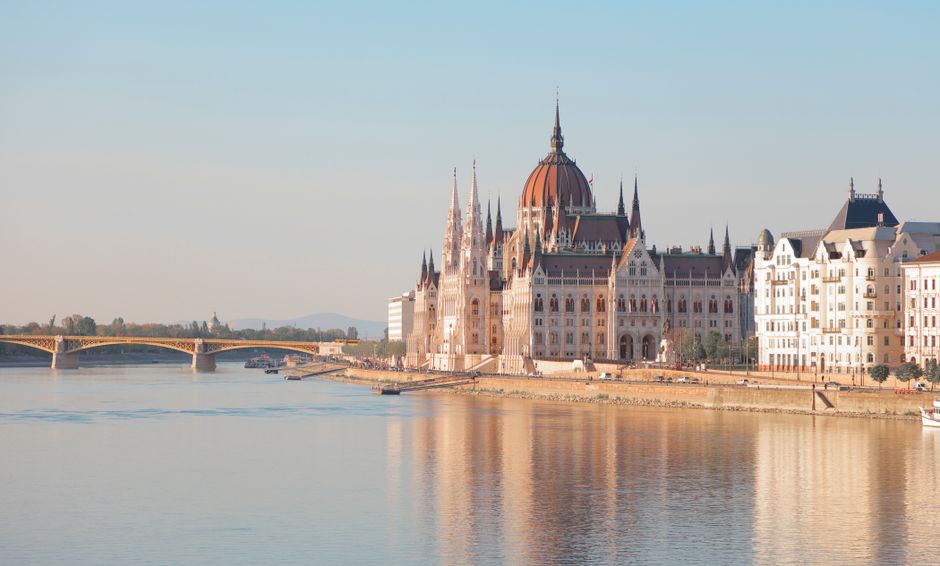
For a first spring tour, finish in Vienna. It gives you the strongest mix of route quality, cultural stops, transport options, and recovery choices. Add Bratislava only when your legs feel good and the forecast stays dry. Save Budapest for a longer second trip because the route south of Bratislava demands more attention to surfaces, crossings, and daily logistics.
Start in Passau on a cool spring morning, ride 45–60 km most days, and leave room for one bad-weather decision. That turns the Danube from a test of endurance into what it should be: a calm river journey with enough structure to keep a beginner moving and enough flexibility to enjoy the places between the miles.