 By Laura Caiswell
You arrive in Rome on Holy Thursday with one small suitcase, a hotel room that is not ready, and a phone full of saved restaurants. St. Peter’s Square is across the river, the Colosseum is in the opposite direction, and the crowds are already moving faster than you are. That is the practical problem this itinerary solves: how to see Rome during Easter without treating every hour as a race.
For 2026, Easter Sunday falls on 5 April. This plan runs from Thursday 2 April through Sunday 5 April, but the order also works in other years if you shift the dates. The official Vatican calendar lists the major services, including the 10:15 Easter Mass and the noon Urbi et Orbi blessing. Check the official Holy Week schedule before leaving home.
How to plan Easter in Rome without losing a day
Use the church calendar as the fixed point
The Vatican ceremonies control the busiest part of the weekend. Holy Thursday has the Chrism Mass at 9:30 a.m. and the Evening Mass of the Lord’s Supper at 5:30 p.m. Good Friday has the Passion service at 5 p.m. and the Way of the Cross at the Colosseum at 9:15 p.m. Holy Saturday has the Easter Vigil at 9 p.m. Easter Sunday has Mass at 10:15 a.m. and the blessing at noon. These times are not suggestions; they are the framework around which sightseeing should be built.
Reserve the scarce experiences first
Book the Vatican Museums, Colosseum, and any guided archaeological visit before building restaurant plans. Leave at least 45 minutes between a ticketed visit and a church service. Security lines, road closures, and pedestrian diversions can make a short map distance take an hour. Stay near a Metro station or within the historic center, and keep your first evening light. The best plan is not the one with the most monuments. It is the one that protects the two or three experiences you came to Rome to have.
For a four-day Easter trip, the clear priority is the Vatican liturgy, one ancient-Rome morning, one quieter neighborhood walk, and enough unplanned time to eat and recover.
Day 1: Holy Thursday combines the Vatican and Trastevere
Morning: cross the Tiber before the crowds peak
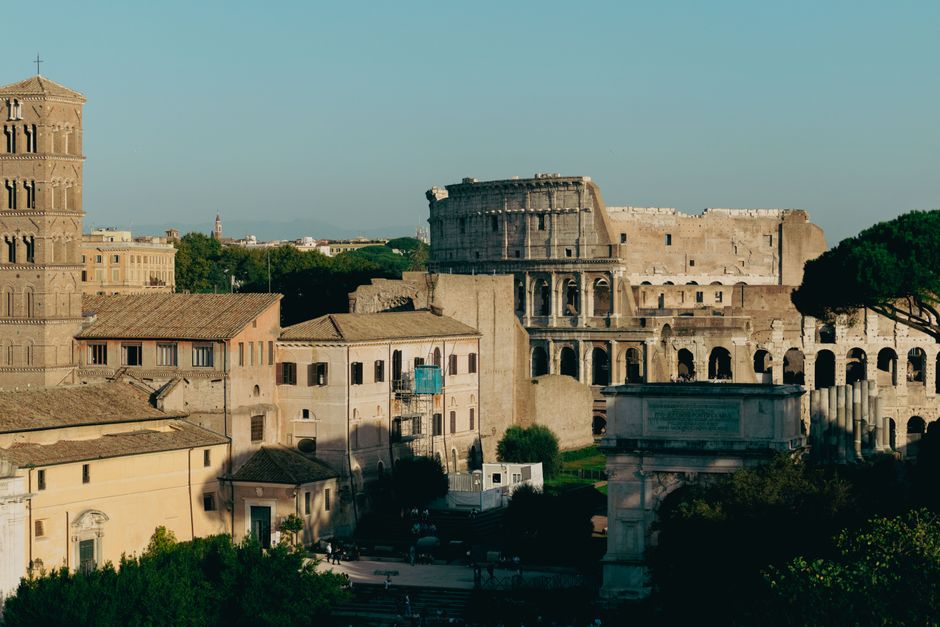
Start with breakfast near your accommodation, then go to St. Peter’s Basilica area early. If you have a confirmed place for the 9:30 a.m. Chrism Mass, allow extra time for security and follow the ticket instructions. If you do not have access to that service, do not queue for hours hoping to enter. Walk through Borgo, cross to Castel Sant’Angelo, and continue toward Piazza Navona instead.
Afternoon and evening schedule
| Time | Plan | Reason |
|---|---|---|
| 8:00–10:00 | Vatican area or Borgo walk | Use the quietest part of the day near St. Peter’s |
| 10:30–12:30 | Castel Sant’Angelo exterior, Piazza Navona, Pantheon area | These sights connect well on foot |
| 12:30–14:00 | Lunch and a rest break | Protect energy before the evening service |
| 14:00–16:30 | Trevi Fountain and the Spanish Steps | See them before the evening surge |
| 17:30 | Evening Mass of the Lord’s Supper, if attending | The official Holy Thursday service |
| 19:30 onward | Dinner in Trastevere | Finish with a neighborhood rather than another major sight |
This is the day to choose walking over constant transport. The central route is compact, but comfortable shoes matter more than an ambitious attraction list. If the service is your main purpose, skip Trevi and the Spanish Steps. The defensible choice is to protect the ceremony and shorten the sightseeing route, not to arrive late with six photographs already on your phone.
Day 3: Holy Saturday rewards a slower Rome
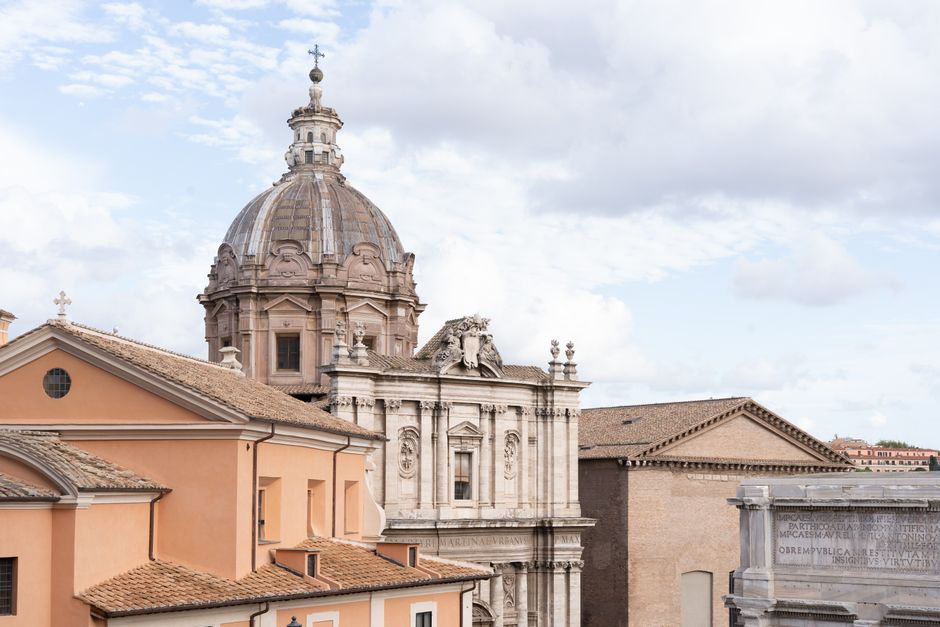
My recommendation is to keep Holy Saturday deliberately light. The city gives you a rare chance to see its smaller churches, markets, and residential streets before the Easter Vigil, and that slower pace is more valuable than adding another major museum.
Morning: choose one neighborhood
Pick Testaccio for food and the Protestant Cemetery, Monti for small streets near the ancient center, or Aventine Hill for the Orange Garden and the keyhole view. Choose one area, not all three. A four-day itinerary fails when every short taxi ride becomes a missed reservation or a tired argument. Spend two or three hours walking, then sit down for lunch.
Afternoon: prepare for the Vigil
Return to your accommodation by 3 p.m. Check the official instructions for the 9 p.m. Easter Vigil at St. Peter’s Basilica. Access rules can change, and a general expectation that a ceremony is open does not guarantee entry. Wear clothing suitable for a church, bring identification if the ticket instructions request it, and avoid large luggage. If you do not have access, attend an Easter Vigil at a local parish. That is not a second-rate option; it is often quieter, more practical, and more connected to the Roman neighborhood where you are staying.
Do not plan a late restaurant reservation after the Vigil. Finish with a short walk and sleep. Easter Sunday will require an early start.
Day 4: Easter Sunday requires one firm decision
Should you attend the Vatican ceremony?
If the Easter Mass or Urbi et Orbi blessing is the reason you came to Rome, make St. Peter’s Square your only major morning destination. The 2026 schedule places Mass at 10:15 a.m. and the blessing at noon. Arrive several hours early, follow security directions, and expect to stand for long periods. Do not schedule a Vatican Museums entry, airport transfer, or distant lunch immediately afterward. The square can empty slowly, and pedestrian controls may redirect you.
What should you do if you prefer sightseeing?
Choose a local parish Mass, then use the afternoon for a relaxed route through Campo de’ Fiori, the Jewish Ghetto, and the riverside. This is the better choice for travelers who value food, architecture, and ordinary Roman life more than a major public ceremony. The important point is to choose one version of Easter Sunday in advance. Trying to attend the Vatican blessing and reach a timed attraction across town creates a predictable failure: you spend the morning in transit and experience neither place properly.
After lunch, keep the afternoon flexible. Villa Borghese, the Appian Way, or a second walk through the historic center can work, but confirm opening hours first. Easter Monday may bring another public holiday effect, so avoid assuming every museum or restaurant will run its normal schedule.
What to book, what to skip, and how to move
The transport decision
Rome rewards a mixed strategy: walk within one district, then use public transport for longer jumps. ATAC’s official fares list the 100-minute ticket at €1.50, the 24-hour ticket at €8.50, the 48-hour ticket at €15, the 72-hour ticket at €22, and the weekly ticket at €29. Verify current ATAC fares and validity rules before buying. For a four-day stay, single tickets may be cheaper than a pass if you walk most central routes; the 72-hour ticket is stronger for heavy transit use.
Common mistakes to avoid
- Do not assume the Vatican schedule guarantees entry to a specific service.
- Do not book the Colosseum and a Vatican event with less than one hour between them.
- Do not carry a large backpack into a crowded church or ceremony.
- Do not rely on a restaurant being open on Easter Sunday without checking directly.
- Do not treat official ceremony times as transport times; security and dispersal add a large buffer.
Skip any attraction that requires a cross-city sprint. The best alternative to a sold-out ticket is not a reseller with an unclear cancellation policy. It is a free exterior route, a local church, or a neighborhood that gives you a real afternoon in Rome.
Budget and final checklist for a defensible itinerary
Allow money for the parts that protect time
A practical four-day budget should separate fixed travel costs from flexible sightseeing. Set aside money for accommodation, food, airport transfers, public transport, and timed-entry tickets. A cheap room far outside the center can create two hours of daily travel; a slightly more central room may save enough time to justify its price during Holy Week. The same logic applies to meals. A sit-down lunch near the route is often better value than an expensive dinner reached by taxi after a crowded ceremony.
Use this final check
- Confirm the year’s Vatican schedule on the official site.
- Reserve the Colosseum and Vatican Museums before restaurant tables.
- Keep one flexible block every afternoon.
- Save the ATAC app or another reliable route planner and check service notices.
- Carry comfortable shoes, a refillable water bottle, a light layer, and church-appropriate clothing.
- Leave at least three hours between a major ceremony and any airport or train commitment.
This is not legal advice — consult a licensed attorney for visa, insurance, or liability questions. For travel planning, the practical answer is simpler: anchor the trip to the Vatican schedule, group sights by neighborhood, and accept that Easter crowds change the city’s normal rhythm.
That traveler arriving on Holy Thursday no longer needs to choose between every monument and a stressful sprint. The itinerary leaves room for the ceremony, the ancient city, a quiet Roman neighborhood, and a meal taken while seated. That is what makes four days in Rome workable.