 By Laura Caiswell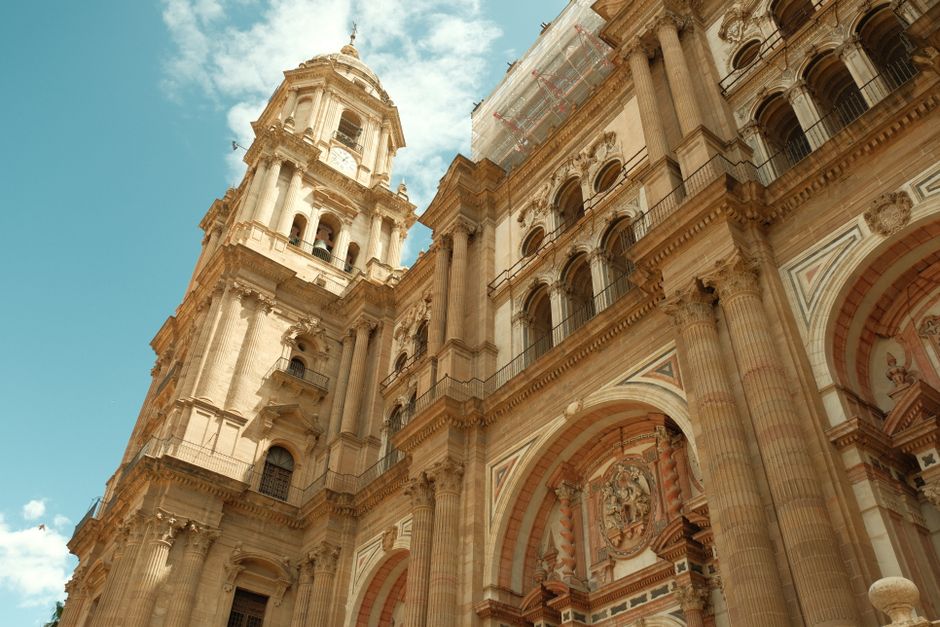
You arrive in Seville on a cool Saturday morning expecting streets filled with orange blossom. Instead, the trees are green, many flowers have not opened, and your phone says rain is possible after lunch. You have three days, one pair of comfortable shoes, and no interest in spending the whole trip in timed-entry queues.
That is the real February problem. Seville is quieter and easier to walk than it is during Easter season, but the famous bitter-orange bloom is not guaranteed in February. Some trees may flower early, while the fuller scent usually arrives later in spring. Build the trip around historic buildings, courtyards, gardens, food, and river walks. Treat blossom as a bonus.
This plan keeps the major sights close together, leaves room for weather changes, and uses current 2026 reference prices where official information is available. Check opening times before each visit because religious services, cultural events, and restoration work can change access.
Is February the right month for Seville and orange blossom?
What the orange trees are actually doing
February is a good month for Seville, but calling it peak orange-blossom season oversells the timing. The city’s bitter-orange trees line many streets, plazas, and courtyards. Their leaves stay attractive through winter, and a few early flowers can appear. A strong, city-wide orange scent is more dependable later in spring.
That distinction matters if blossom is the main reason for the trip. You might find fragrant branches around the Cathedral, the Royal Alcázar, Santa Cruz, or María Luisa Park. You might also find mostly green trees. Do not pay a premium for a February hotel because a listing promises guaranteed blossom. Nature does not work on a booking calendar.
What February gives you instead
February offers a better balance for visitors who want Seville without peak-season heat. Mornings can feel cold in shaded streets, while the middle of the day may be comfortable for long walks. The lower visitor pressure also makes it easier to pause in courtyards, find a table for lunch, and cross the historic center without joining a moving crowd.
Religious and cultural calendars still matter. In 2026, Ash Wednesday fell on February 18, beginning Lent, and Seville scheduled special historical and cultural events around the 500th anniversary of Charles V’s wedding. Dates move every year, so use the official Seville tourism calendar before you book.
Verdict: February is the right choice for mild sightseeing, quieter monuments, and flexible walking. It is the wrong choice if full orange-blossom coverage is non-negotiable.
Day 1: How to see Seville’s historic core without backtracking
Morning: Cathedral, Giralda, and the Alcázar
Start early at Seville Cathedral and the Giralda, then walk a few minutes to the Royal Alcázar. These buildings sit close enough to form one efficient first morning, but they are not quick photo stops. Allow about 75 minutes for the Cathedral and Giralda alone. The official 2026 general admission price is €13 online or €14 at the ticket office, with reduced tickets listed separately. Buy a timed ticket online when possible; the small extra planning effort is cheaper than losing an hour in a queue.
| Time | Stop | Working time | Why it belongs here |
|---|---|---|---|
| 09:30 | Cathedral and Giralda | 75–90 minutes | Cooler morning air and a fixed entry slot |
| 11:15 | Royal Alcázar | 2–2.5 hours | Palace rooms and gardens need unhurried time |
| 14:00 | Lunch near Santa Cruz | 60–90 minutes | Easy break after two interior visits |
| 16:00 | Santa Cruz lanes and Murillo Gardens | 2 hours | Low-pressure walking and courtyard views |
| 18:30 | Plaza del Salvador or Alameda | Flexible | Drinks, tapas, and an early finish if rain arrives |
Afternoon: Santa Cruz without the tourist maze
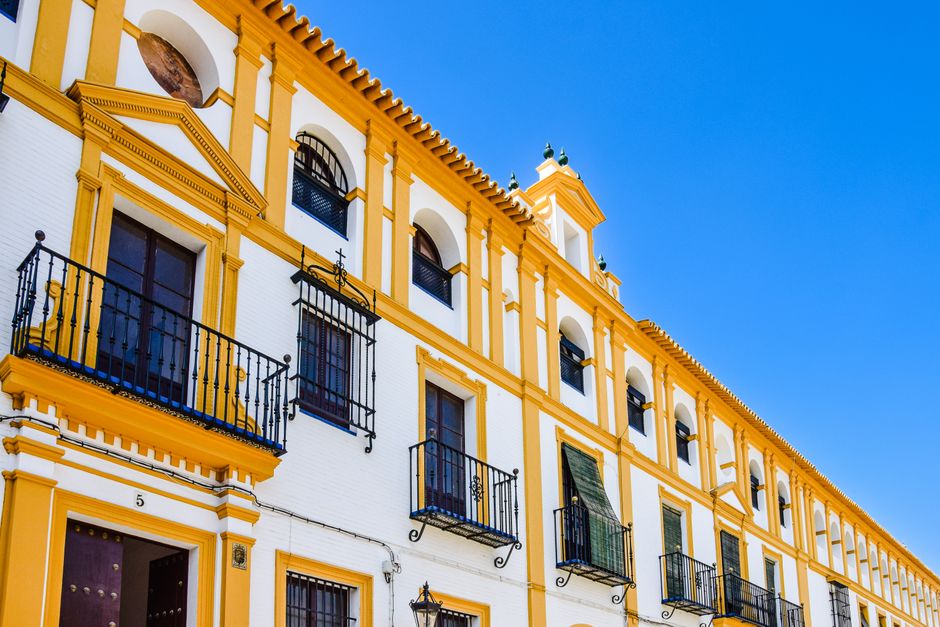
After lunch, do not aimlessly zigzag through Santa Cruz. Walk from the Alcázar toward Plaza de Doña Elvira, continue through the narrow lanes, and exit toward the Murillo Gardens. Look for tilework, shaded courtyards, and street names that preserve the old Jewish quarter’s shape. The point is not to collect every lane. It is to understand how the district moves from palace walls to small residential streets.
Keep the evening flexible. If the weather is dry, continue toward Plaza del Salvador or the Alameda de Hércules. If rain starts, choose a long meal rather than forcing another monument. Day 1 verdict: reserve the two headline sites, then leave the rest of the day open. That gives you more of Seville than a checklist packed to the minute.
Day 3: What should you do in Triana and the northern center?
Should you spend the morning in Triana?
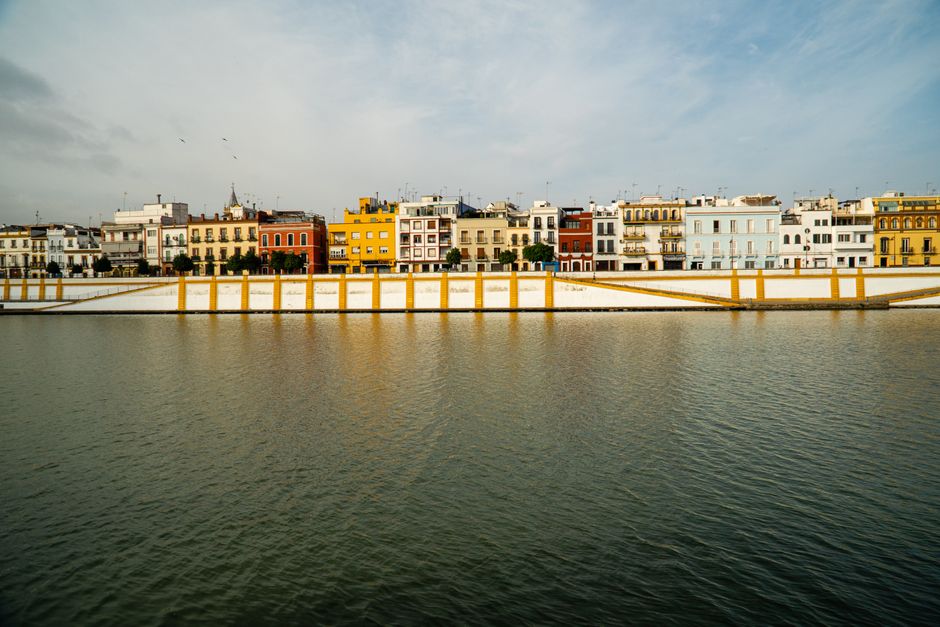
Yes, if you want a different side of Seville after two days in the monumental center. Start around the Mercado de Triana, then follow the neighborhood streets toward Calle Alfarería and the ceramics workshops. The market is best treated as a place to observe daily shopping and assemble a casual breakfast, not as a guaranteed all-day attraction. Individual stalls and restaurants can keep different hours.
Continue to the Centro Cerámica Triana if it is open, then walk along the river. Triana gives you a useful contrast: the historic center is shaped by palaces, churches, and formal plazas, while Triana feels more residential and tied to pottery, food, and the water.
What if the weather turns bad?
Move across the bridge and use the northern center as your backup. Visit the Metropol Parasol area, known locally as Las Setas, then continue toward Alameda de Hércules and the Macarena district. This route gives you cafés, covered interiors, and shorter walking sections. You can also replace the market with a longer lunch and skip the river entirely.
For a first visit, I would not spend the final day on a rushed day trip to Córdoba or Cádiz. The train ride may be efficient, but the transfer time and fixed departures remove the flexibility that makes February valuable. Stay in Seville unless you have already seen the main city or have four or more days.
Verdict: Triana is the best final-day choice for travelers who want neighborhood texture rather than another grand building. Keep the northern-center backup ready if rain or a closed market changes the plan.
What February visitors get wrong in Seville
Mistake one: booking around a blossom promise
Listings that describe Seville as permanently scented with orange blossom are selling an image, not a guarantee. Check recent local conditions and treat early flowers as luck. If blossoms matter deeply, late winter may be too early and a later spring trip may fit better.
Mistake two: ignoring closures and religious schedules
Monuments are not fully independent from the city’s religious calendar. The Cathedral’s official visitor schedule can change because of worship and cultural events. Its general visit currently lists Monday-to-Saturday access from 10:45 to 19:00 and Sunday access from 14:30 to 19:00, with limited capacity and a roughly 75-minute visit. Confirm the date on the Cathedral’s official schedule page before arranging lunch around it.
Mistake three: treating every day as a sunny walking day
Plan one indoor anchor for each day. That might be a palace, church, museum, or long lunch. Do not book three timed attractions back to back. If the first visit runs late, the whole schedule collapses and you end up paying for tickets you cannot use.
Another common error is eating only beside the biggest landmarks. Walk ten minutes away from the Cathedral, Plaza de España, or the bridge before choosing a restaurant. You will usually gain more choice and a calmer table.
Verdict: the biggest February risks are timing mistakes, not lack of things to do. Leave space, verify official hours, and do not build the trip around a flower that may not yet be open.
What will three days in Seville cost, and is February worth it?
A realistic daily planning budget
| Item | Per person planning range | What changes the cost |
|---|---|---|
| Breakfast | €4–€8 | Coffee and toast versus a full café meal |
| Casual lunch | €12–€22 | Market food, tapas, or a sit-down menu |
| Dinner | €20–€40 | Neighborhood restaurant and drinks |
| Major monument entry | €13–€25 | Ticket type, guided visit, and booking fees |
| Local transport buffer | €5–€12 | Walking-heavy day versus taxis and buses |
Use those figures as a planning range, not a promise. Food prices vary by neighborhood, menu, and drinks. The Cathedral’s 2026 general admission is a useful fixed reference at €13 online or €14 at the ticket office. Other monument prices and schedules can change, so check the official site before you lock the budget.
Bottom line: choose February for the city, not the flowers
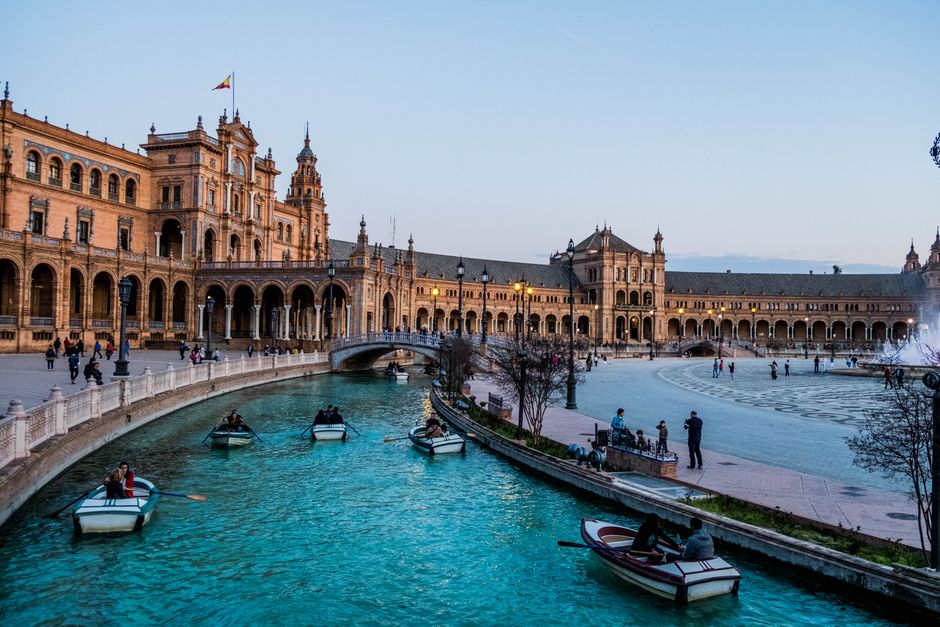
February is worth it if you want Seville’s architecture, gardens, food, and neighborhoods with less heat and fewer peak-season crowds. The strongest three-day sequence is historic center on Day 1, Plaza de España and Triana on Day 2, and a flexible neighborhood day on Day 3. If full orange blossom is the central purpose, move the trip later in spring instead of hoping the calendar delivers a scent it cannot guarantee.
This is not financial advice. It is a travel budget based on planning ranges and publicly listed visitor prices.