 By Laura Caiswell
Most travel insurance comparisons treat a two-week vacation and a six-month backpacking trip as the same thing. They’re not. The policy that covers your lost luggage in Paris falls apart when you need a malaria test in Chiang Mai on day 120 of a trip with no end date.
SafetyWing and World Nomads both market themselves to long-term travelers. But they solve fundamentally different problems. One is built for digital nomads who need ongoing monthly coverage they can renew indefinitely. The other is built for adventure travelers who need high limits on specific activities and gear.
Pick the wrong one and you’ll either overpay for coverage you don’t use or discover a gap in your policy exactly when you need it most.
What Each Policy Actually Covers (And What It Won’t)
Both companies publish long policy documents full of exclusions. Here’s what matters for a trip longer than three months.
SafetyWing Nomad Insurance functions like a subscription. You pay monthly—$45.08 for ages 18-39, $68.44 for 40-49, and $130.16 for 50-59. It covers you in every country except your home country, with a $250 deductible and a $250,000 maximum limit. Hospitalization, emergency dental, and prescription drugs are included. What’s missing: trip cancellation, lost baggage, and pre-existing condition coverage are minimal or nonexistent.
World Nomads Explorer Plan is a traditional single-trip policy you extend before it expires. For a 30-year-old on a six-month trip across Southeast Asia, expect to pay roughly $380-$550 depending on the countries listed. The maximum limit hits $100,000 for emergency medical, but the real difference is the $2,500-$3,000 baggage and personal item coverage, plus trip cancellation up to $10,000. Adventure activities like scuba diving (to 40 meters), bungee jumping, and trekking under 6,000 meters are included. SafetyWing excludes anything above 4,500 meters and most organized sports.
The critical gap: World Nomads has a 12-month maximum trip length from most home countries. SafetyWing has no end date as long as you keep paying.
The Home Country Problem
SafetyWing covers you for incidental home country visits—up to 30 days per 90-day period if you’re from the US, 15 days elsewhere. World Nomads typically stops coverage the moment you return to your home country. If you’re a Canadian who plans to spend a week at home between legs of a trip, World Nomads leaves a coverage hole. SafetyWing doesn’t.
Pre-Existing Conditions: Neither Does Well
Both policies exclude pre-existing conditions almost entirely. SafetyWing covers acute onset of pre-existing conditions—meaning a sudden, unexpected flare-up without prior warning. World Nomads excludes all pre-existing conditions without exception. If you manage asthma, diabetes, or any chronic condition, neither policy is adequate. You’d need a plan like Cigna Global or GeoBlue for actual chronic condition coverage.
The Cost Gap Gets Wider the Longer You Travel

| Trip Length | Traveler Age | SafetyWing (Monthly) | World Nomads (Explorer) | Difference |
|---|---|---|---|---|
| 3 months | 28 | $135.24 | $220-$310 | SafetyWing cheaper by $85-$175 |
| 6 months | 28 | $270.48 | $380-$550 | SafetyWing cheaper by $110-$280 |
| 9 months | 28 | $405.72 | Not available (max 12 months) | SafetyWing only option |
| 12 months | 28 | $540.96 | $720-$950 | SafetyWing cheaper by $180-$410 |
| 3 months | 45 | $205.32 | $280-$400 | SafetyWing cheaper by $75-$195 |
| 6 months | 55 | $780.96 | $520-$780 | World Nomads possibly cheaper |
The math shifts for travelers over 50. SafetyWing’s age-based pricing jumps significantly at 40-49 ($68.44/month) and again at 50-59 ($130.16/month). World Nomads uses trip cost and destination for pricing, so a 55-year-old might actually pay less with World Nomads on a shorter trip to lower-risk countries.
Also note: SafetyWing charges the same rate in Norway or Nepal. World Nomads adjusts pricing by destination risk. A six-month trip through Western Europe costs less to insure than the same duration in countries with limited medical infrastructure.
Adventure Activities: Where World Nomads Pulls Ahead
If your trip involves a single scuba dive, ski run, or trek above 4,500 meters, the decision is made. SafetyWing excludes all of it.
SafetyWing covers you for everyday travel—walking, swimming, taking buses, riding bicycles without a motor. The moment you add an organized sporting event, a motorcycle (even as a passenger in some cases), or any activity they classify as hazardous, coverage disappears.
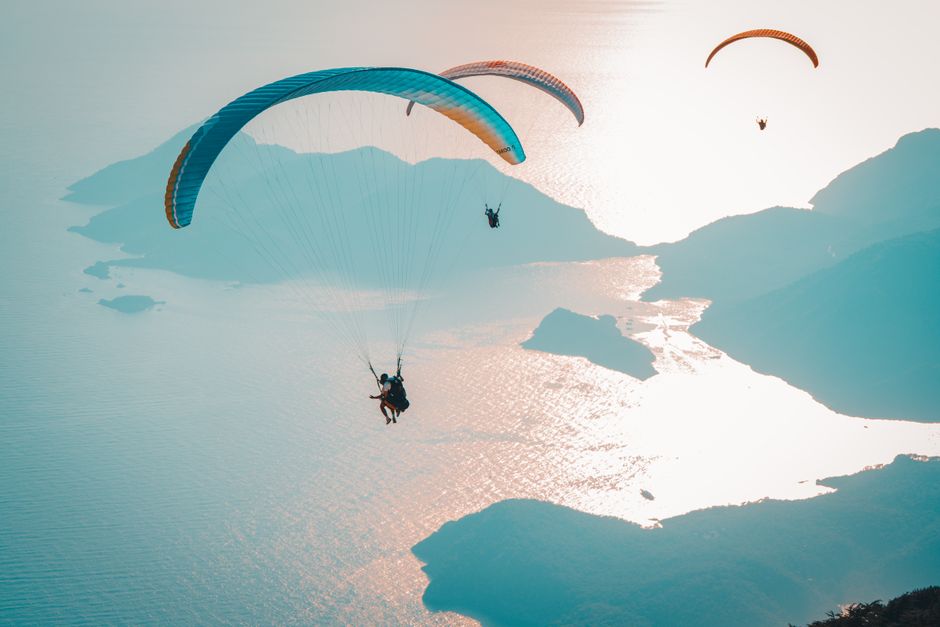
World Nomads Explorer Plan covers over 200 activities by default: scuba diving (PADI-certified to 40 meters), bungee jumping, whitewater rafting up to Class V, paragliding, skiing on-piste, and trekking to 6,000 meters. The Standard Plan covers fewer activities, but the Explorer Plan is the only choice here if you’re doing anything beyond walking tours and beach days.
The motorcycle distinction trips up a lot of travelers. Renting a scooter in Bali or Chiang Mai is practically part of the experience. World Nomads covers you as a rider if you hold a valid motorcycle license in your home country and the engine is 200cc or less. SafetyWing excludes all motorcycle riding—driver or passenger—unless it’s a licensed taxi. That’s a dealbreaker for huge portions of Southeast Asia and Latin America travel.
Claims and Customer Experience: Neither Is Great
Let’s be direct: travel insurance claims are slow. Both companies average 2-6 weeks for reimbursement, and both require upfront payment at most hospitals outside the US.
SafetyWing uses a third-party administrator, Tokio Marine HCC, for claims processing. The portal is functional but clunky. You upload receipts, wait, and follow up. Reviews on Trustpilot (4.0/5 across 2,100+ reviews as of early 2026) suggest most straightforward claims get paid, but anything complicated—multi-day hospital stays, medical evacuation—generates significant back-and-forth.
World Nomads uses different underwriters by region: Nationwide in the US, nib Travel Insurance in Australia, and so on. Their claims portal is slightly more modern, and the 24/7 emergency assistance line has a better reputation for actually answering. But the reimbursement timeline is similar. The difference: World Nomads has been doing this longer and has more established relationships with hospitals and evacuation providers globally.
Neither company offers direct billing as a standard feature. You pay, you claim, you wait. If you’re in a country where hospital care costs $50-$200 per day, that’s manageable. If you need evacuation or surgery, you’ll need a credit card with a high limit or emergency savings.
Who Should Pick Which (And When Neither Works)

Pick SafetyWing if:
- Your trip has no fixed end date and you want subscription-style coverage
- You’re under 40 and price-sensitive
- You’re a digital nomad working from cafes, not climbing mountains
- You travel through multiple countries and need seamless coverage across borders
- You make occasional home country visits and need those covered
Pick World Nomads if:
- Your trip includes adventure sports, scuba diving, or trekking above 4,500m
- You’re carrying expensive gear (cameras, laptops, climbing equipment) worth more than $1,000
- You need trip cancellation and interruption coverage
- You’ll rent scooters or motorcycles and have the proper license
- Your trip is 12 months or shorter and you want higher activity coverage
Pick neither if:
- You have pre-existing conditions that require ongoing treatment
- You’re moving abroad permanently (you need expat health insurance, not travel insurance)
- You’re over 60—both policies become expensive or unavailable
- You need maternity coverage or mental health coverage (both exclude these)
For the traveler who spends six months working remotely from Airbnbs in Mexico City, Medellín, and Lisbon, taking the occasional weekend hike but nothing extreme, SafetyWing is the cheaper, simpler choice. For the traveler backpacking through Nepal, diving in Indonesia, and riding a scooter through Vietnam, World Nomads is the only one of these two that actually covers the trip you’re taking.
The mistake is assuming either policy covers everything. Read the exclusions before you pay. The activity list, the altitude limit, the home country clause—that’s where claims get denied, not in the marketing copy.