 By Laura Caiswell
Can you see Ljubljana, Lake Bled and the Soča Valley in one week without spending the whole trip in a car? Yes, but only if you keep the route tight. Use two nights in Ljubljana, two around Bled, and three in the Soča Valley. That gives you city life, the famous lake and real Alpine scenery without adding pointless detours.
The best seven-day Slovenia route is Ljubljana to Bled to Soča
The route in one table
| Day | Base | Main plan | Sleep |
|---|---|---|---|
| 1 | Ljubljana | Old town, river and market | Ljubljana |
| 2 | Ljubljana | Castle, Tivoli and museums | Ljubljana |
| 3 | Lake Bled | Lake walk, island and castle | Bled |
| 4 | Lake Bled | Vintgar Gorge or Bohinj | Bled |
| 5 | Kobarid | Transfer, Kozjak Waterfall and town | Kobarid |
| 6 | Bovec | Soča Trail or river activity | Bovec |
| 7 | Bovec | Source of the Soča, passes or a short hike | Bovec |
Why this order works
Ljubljana is the easy start. Bled adds the postcard scenery while you still have simple transport. The Soča Valley comes last because it rewards flexible outdoor days and is the hardest part to reach. Reversing the route usually creates a rushed final transfer.
The practical verdict
Rent a car only if you want mountain passes, remote trailheads or several villages in one day. For the basic route, public transport works between Ljubljana and Bled. The Ljubljana Card costs €41 for 24 hours, €49 for 48 hours and €54 for 72 hours, so it can pay off during two busy sightseeing days.
Ljubljana deserves two nights, not a rushed afternoon
Walk the historic centre first
Start at Prešeren Square, cross the Triple Bridge and follow the Ljubljanica toward the Central Market. Continue to the Dragon Bridge, then climb toward Ljubljana Castle. This loop takes about three hours with stops. It shows you the city’s best feature: a compact centre shaped by Plečnik’s bridges, squares and colonnades.
Do not fill the first day with museums. Ljubljana works best outdoors, especially in early summer when the riverside cafés stay busy into the evening. Take a slower route through Gornji Trg, walk beside the river and save the castle interior for the next morning.
Use the second day for contrast
Spend the morning at Ljubljana Castle and the afternoon in Tivoli Park. Add the National Gallery or the Museum of Illusions only if the weather turns wet. The city is small enough to walk, but the Urbana system makes local buses simple. A standard Ljubljana city ride has commonly been priced at €1.30, with transfers allowed within the ticket’s time window; check the current fare before travel.
When the Ljubljana Card is worth it
Choose the 48-hour Ljubljana Card if you want the castle, a river cruise, a guided walk and several museums. Skip it if you plan to wander, eat and see only one paid sight. The card covers Ljubljana, not Bled or the Soča Valley.
Lake Bled works best with one full day and one side trip
How long does the lake walk take?
The full Lake Bled circuit is about 6 kilometres and takes two hours at a steady pace. Allow three hours if you stop for photographs, swim from an approved area or sit beside the water. Walk clockwise from the town centre if you want the island and castle views to open gradually.
Should you visit the island or the castle?
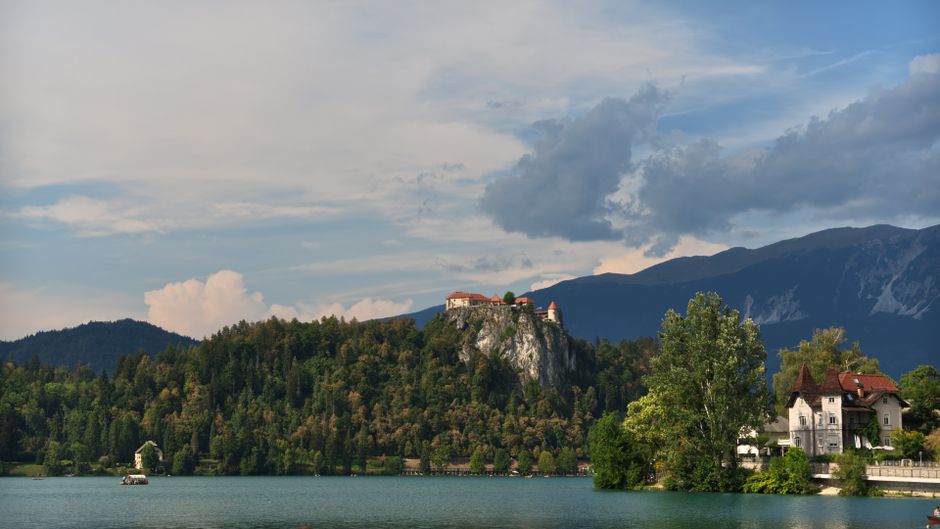
Visit the island if you want the classic pletna boat experience and the church on the island. Choose the castle if you care more about views and local history. Doing both is possible, but it turns a calm day into a queue-heavy one. My pick is the island early, lunch in town, and the castle near sunset.
Is Vintgar Gorge worth the detour?
Yes, but treat it as a separate half-day outing. The gorge is narrow, popular and controlled by timed entry during busy periods. Wear shoes with grip; wet boards and uneven paths are common. If crowds annoy you, go to Lake Bohinj instead. Bohinj is less polished, more spacious and better for swimming, kayaking and long lakeside walks.
Arriva’s direct Ljubljana Airport–Bled service has been listed at about €5 and roughly 31 minutes, while buses from central Ljubljana take longer. Train travel is scenic but less direct: Slovenske železnice services to Bled Jezero usually require a change and can take about 1 hour 20 minutes to nearly two hours.
The Soča Valley needs three nights and a clear base
Choose Kobarid for history and short walks
Kobarid is the better base if you want the Kobarid Historical Trail, Kozjak Waterfall and First World War history. The town is compact, and its trails start close to the centre. The historical trail takes several hours and links the Italian ossuary, Tonocov Grad, the Soča River and Kozjak. It is the strongest all-round walking day in the valley because it mixes landscape with context.
Choose Bovec for outdoor action
Bovec is the better base for rafting, canyoning, mountain biking and higher mountain trails. The Soča Trail runs through the valley for about 25 kilometres, with roughly 400 metres of total elevation gain and an estimated hiking time of 8–10 hours. You do not need to complete it in one push. Walk a section, arrange a return transfer, or use a seasonal hop-on hop-off service when available.
Do not treat the valley as one compact attraction
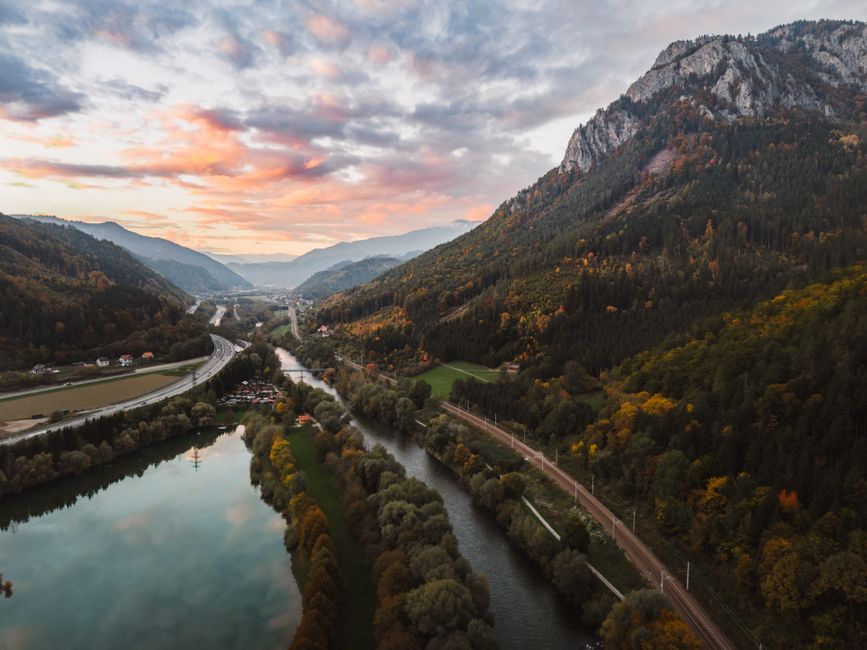
Kobarid, Bovec and the Soča source are separated by winding mountain roads. A journey that looks short on a map can take an hour or more. Plan one geographic zone per day. From Bovec, drive or arrange transport to the Soča source, then stop at the Great Soča Gorge and the Vršič area only if road and weather conditions allow. The river is cold even in summer, and water levels can change quickly after rain. Book rafting or canyoning with a licensed local operator and follow its safety briefing.
For a car-free trip, confirm the summer bus calendar before booking accommodation. Services are seasonal, and the final connection of the day may leave before your hike ends.
Early summer in Slovenia is warm in towns and changeable in the Alps
Pack for three different conditions
Ljubljana and Bled can feel warm in June, with daytime temperatures often reaching the high teens or mid-20s Celsius. The Soča Valley may be sunny and hot at river level, while mountain passes stay cold, windy or wet. Pack breathable clothing, a light waterproof jacket, one warm layer and proper walking shoes. Sandals are fine for town. They are a poor choice for gorge paths and rocky trails.
Plan around storms, not optimism
Early summer mornings are often the safest time for longer mountain walks. Thunderstorms can build after lunch, and trails become slippery fast. Check the forecast for the exact valley, not just “Slovenia.” A sunny Ljubljana forecast says little about the Julian Alps. Keep one flexible afternoon in the plan. Use it for a museum, food market or lakeside walk if the mountains disappear behind cloud.
Swimming is possible at Lake Bled and in selected river areas, but the Soča remains very cold. Never confuse clear water with safe water. Stay away from strong current, waterfalls and unofficial jumping spots.
Five mistakes can wreck this itinerary
Fix these before you leave
- Trying to add Piran. The coast is excellent, but Ljubljana, Bled and the Soča Valley already fill seven days. Adding Piran creates a long cross-country transfer.
- Sleeping in Ljubljana every night. Day trips to Bled and Bovec waste time and remove the best early-morning hours.
- Booking a mountain hike without a weather backup. Have a low-level walk or cultural plan ready.
- Assuming every trail is easy. The Soča Trail is manageable in sections, but routes around Krn and high passes demand fitness, navigation and proper equipment.
- Leaving transport until the final day. Rural buses run less often than city buses. Confirm the return route before you commit to a late hike.
The mistake that costs the most
Do not book a rental car for the whole week just because the Soča Valley is remote. A car is useful there, but it is unnecessary in Ljubljana and can become expensive while parked. The best compromise is public transport for Ljubljana and Bled, followed by a short rental or a pre-arranged transfer for the Soča section.
Choose the itinerary version that matches your travel style
The clear recommendation
For a first visit, choose the balanced route below: two nights in Ljubljana, two in Bled and three in the Soča Valley. It gives you enough city time, one famous lake and genuine mountain scenery. Do not cut Ljubljana to one night unless you care only about landscapes. Do not cut the Soča Valley below two nights; the travel time is too high for a single rushed day.
| Travel style | Best split | Best choice | Main tradeoff |
|---|---|---|---|
| First visit | 2 Ljubljana / 2 Bled / 3 Soča | Balanced route | Requires careful transfers |
| Car-free | 2 Ljubljana / 3 Bled / 2 Kobarid | More reliable logistics | Fewer remote trailheads |
| Hiking-focused | 1 Ljubljana / 2 Bled / 4 Soča | Bovec and longer walks | Less time for culture |
| Slow travel | 3 Ljubljana / 2 Bled / 2 Soča | Easy city pace | Limited valley exploration |
Final verdict by destination
Ljubljana wins for food, architecture and easy walking. Bled wins for the iconic view, but Bohinj is the better choice for space and outdoor time. The Soča Valley wins the whole trip if you want rivers, trails and mountains rather than a checklist of sights. Keep the route focused and Slovenia feels generous. Add too many stops and it becomes a transport exercise.