 By Laura Caiswell
The same Rafina–Mykonos trip can cost €38 and take 4 hours 30 minutes, or cost €52.50 and take 2 hours 20 minutes. That price gap is not a mistake; it is the normal trade-off between a conventional ferry and a high-speed vessel during the busy season.
Greek island ferry routes reward early planning, but early booking alone will not fix a bad itinerary. The port, sailing time, connection buffer, ticket rules, and weather risk matter just as much as the fare. The figures below are useful 2026 planning references, not guarantees: operators change prices, vessels, and departure times.
Which Athens port fits your Greek island route?
Choose the port before choosing the island. That single decision removes many of the most expensive mistakes in a peak-season itinerary. Piraeus has the widest network and is usually the safer starting point for Naxos, Paros, Santorini, the Dodecanese, and Crete. Rafina is closer to Athens International Airport and works especially well for Andros, Tinos, and Mykonos.
Choose Piraeus for the broad network
Piraeus is about 12 kilometres from central Athens and roughly 45 kilometres from the airport. Metro Line 1 connects it with central Athens, while Line 3 and the airport bus provide useful links from the airport area. The port is large, and a sailing may leave from a gate far from the metro station, so arriving 60 minutes before departure is a sensible minimum; drivers should allow 90 to 120 minutes.
Piraeus makes the most sense when your route continues beyond one famous island. A Piraeus–Naxos–Paros plan has more backup options than a route built around one narrow departure window. It also gives you access to longer overnight sailings toward Crete and the Dodecanese.
Choose Rafina for the northeast Cyclades
Rafina is the practical choice for a fast first stop on Andros, Tinos, or Mykonos. It is closer to the airport than Piraeus, but traffic can still make the transfer unpredictable during July and August. Do not book a tight flight-to-ferry connection simply because a map shows a short distance; baggage collection, airport queues, road traffic, and port boarding all consume time.
Bottom line: Piraeus wins for network depth and flexible island hopping. Rafina wins when your destination sits on the northeast Cyclades route and you want to avoid crossing Athens to reach the port.
What do Greek ferry tickets cost in 2026?
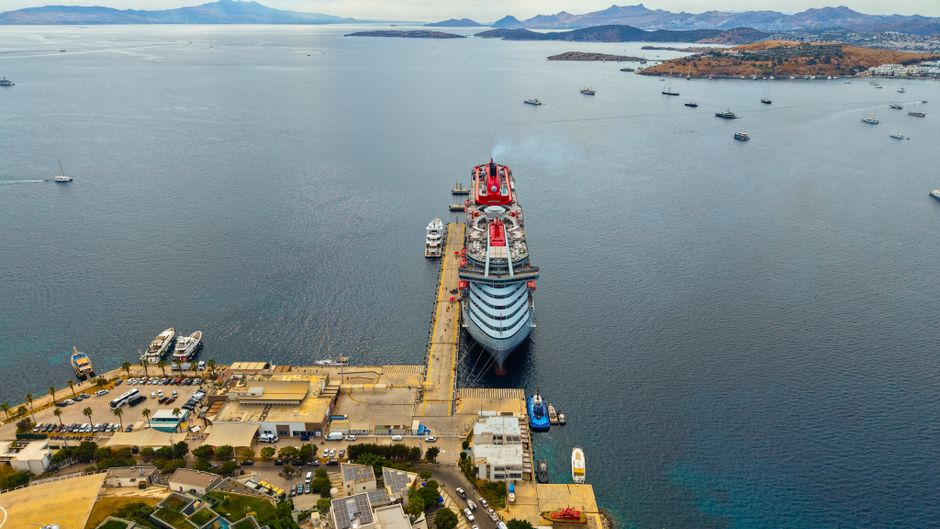
Ferry pricing looks simple until you compare vessel type, seating class, vehicle space, and booking channel. The table shows useful one-way adult economy references published or observed for 2026. These are not locked quotes for every summer date, and a car, cabin, numbered seat, or last-minute sailing can change the total sharply.
Indicative one-way fares and crossing times
| Operator and sailing | Vessel type | Approximate time | Reference fare |
|---|---|---|---|
| Golden Star Ferries, Andros King, Rafina–Mykonos | Conventional ferry | 4h 30m | €38 |
| Golden Star Ferries, Superferry, Rafina–Mykonos | Conventional ferry | 4h | €40 |
| Golden Star Ferries, Superexpress, Rafina–Mykonos | High-speed ferry | 2h 20m | €52.50 |
| Seajets, Piraeus–Naxos | High-speed catamaran | About 3h 15m to 3h 25m | €69.70 to €77.70 |
| Blue Star Ferries, Piraeus–Naxos | Conventional ferry | About 5h 20m | €43 to €52.50 |
| Blue Star Ferries, Super Economy | Limited economy offer | Route dependent | From €20 |
Fees, cabins, and the finance check
Read the checkout total instead of trusting a headline fare. One Greek ferry booking service lists a €5 service fee for reservations up to €50, €10 for reservations above €50, a €1.20 percent payment-processing fee, and delivery fees from €10 to €32 when physical tickets are sent by post or courier. Other sellers may use different rules, while some direct booking systems show no separate fee.
Ferries do not charge an APR because a ticket is not a loan. If a traveller carries a €200 ticket balance on a card charging 20 to 30 percent APR for a year, the interest could add roughly €40 to €60 before compounding. That is a budgeting issue, not a travel bargain. This is not financial advice.
Bottom line: The cheapest sensible choice is usually the conventional sailing when your schedule has room. High-speed tickets buy time, not automatically a better trip.
How do you build a route that survives peak-season disruption?
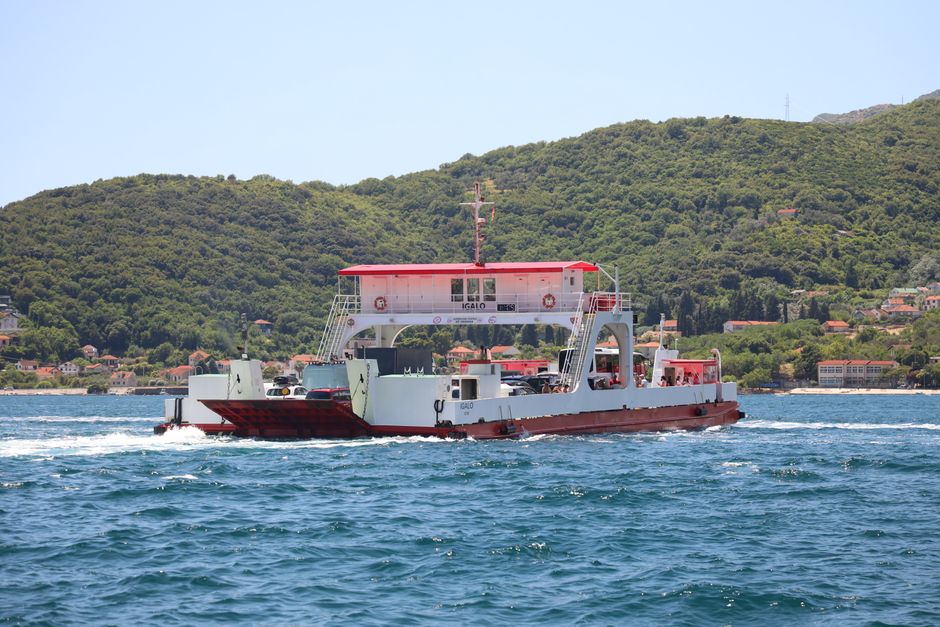
A route that looks efficient on a map can fail at the first delay. Greek ferries face strong summer winds, port congestion, mechanical changes, strikes, and timetable adjustments. The safest plan uses one main island as an anchor and treats every additional stop as a risk decision.
Build the route around one dependable anchor
- Pick one island with several incoming sailings rather than starting with three remote islands that each have one daily connection.
- Spend at least two or three nights on the first island after arriving from Athens. This protects the trip from a late ferry and gives you time to recover from an early departure.
- Keep the final night near the mainland departure port if an international flight follows the ferry. A hotel night can cost less than replacing a missed flight.
- Use nearby island pairs for island hopping. Paros and Naxos, or Andros and Tinos, are easier to connect than islands separated by long cross-Aegean legs.
Protect every connection
- Leave at least three hours between a ferry arrival and a separate ferry departure when the tickets are booked independently.
- Allow more time when you must change ports, collect a vehicle, or travel from a ferry terminal to an airport.
- Do not treat a published arrival time as a guarantee during Meltemi wind conditions. A 30-minute buffer is too small for a peak-season connection.
- Save the operator notification number and check messages on the travel day. Schedule changes can require a ticket change through the original booking channel.
Bottom line: The best route is not the one with the most islands. It is the one that still works after one ferry arrives late.
Are high-speed ferries worth the premium?
When should you pay for a catamaran?
Pay for a Seajets high-speed sailing when time has a clear cash value. A Piraeus–Naxos crossing can take roughly 3 hours 15 minutes on a high-speed vessel at a reference fare near €69.70 to €77.70, compared with about 5 hours 20 minutes on a Blue Star Ferries conventional sailing at roughly €43 to €52.50. The premium is around €17 to €35 per passenger, so a family of four may spend €68 to €140 more for the faster option.
The high-speed verdict is firm: choose it for a short trip with a fixed hotel or flight connection, not simply because the word high-speed sounds better. Smaller catamarans can feel more movement in rough seas and usually offer less outdoor space.
When is a conventional ferry the smarter choice?
Choose Blue Star Ferries, Golden Star Ferries, or Fast Ferries conventional vessels when your itinerary has spare time, you are travelling with a car, or you want a calmer onboard experience. A Golden Star Ferries Andros King sailing from Rafina to Mykonos may take about 4 hours 30 minutes at a reference fare of €38, while the Superexpress can take about 2 hours 20 minutes at €52.50. That is a real saving, but only if the longer ride does not force an extra hotel night.
When should you skip the ferry?
Skip a long ferry leg and compare a domestic flight when the route crosses from one end of Greece to the other, your holiday has fewer than five nights, or the ferry would require an overnight transfer and a second hotel. A flight from Athens to a major island can cost more after baggage fees, airport transfers, and seat charges, but it may still win on total time. Bottom line: high-speed ferries win for protected time, conventional ferries win for value, and flights win when the sea route consumes too much of a short holiday.
What should you check one week before departure?
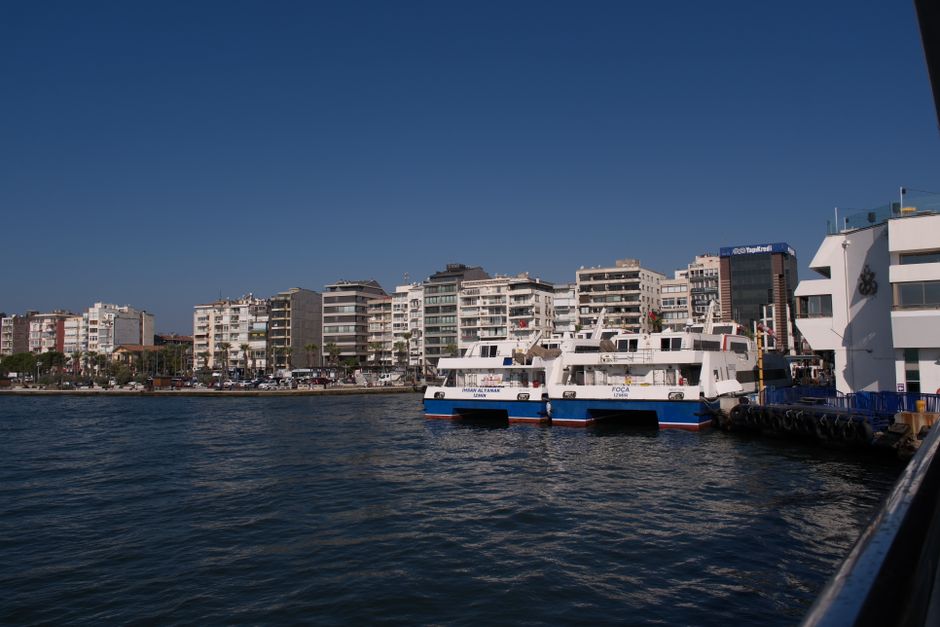
Seven days before sailing, stop optimizing and start verifying. Prices may be fixed, but schedules, gates, vessels, and weather plans can still change.
Run the final booking audit
- Confirm the departure port, gate, sailing date, passenger names, vehicle length, and ticket category.
- Check the baggage and pet rules attached to the actual vessel, not a general route page.
- Download the ticket to your phone and keep an offline copy of the booking number.
- Check the operator’s service notices again 24 hours before departure.
- Arrive at least 60 minutes early as a foot passenger and 90 to 120 minutes early with a vehicle.
Keep a practical backup
Save the next sailing, the nearest port hotel, and the land-transfer option before you need them. If a route is cancelled, the useful question is not which island is most beautiful; it is which replacement keeps your flight and accommodation from collapsing.
That brings the opening price gap into focus. The €38 conventional ferry and the €52.50 high-speed ferry are both sensible choices when matched to the right plan. The expensive mistake is paying for speed without needing it, or saving €14 and losing a full day to a missed connection. Plan the port, protect the buffer, and book the crossing that serves the itinerary rather than the marketing headline.