 By Laura Caiswell
A 90-minute flight can consume more than four hours once you add the airport transfer, security queue, boarding process, and journey from a distant airport into the city. That hidden time is why the cheapest ticket is often not the cheapest trip. For spring travel in Europe, rail usually wins on city-centre access and baggage, while a budget airline wins on long routes and islands. The right choice comes from comparing the whole journey, not the fare shown first.
What spring travelers are really buying: time at the destination
Door-to-door time changes the answer
The first question is not train or plane. It is how many hours you lose before reaching your hotel. A railway station often sits inside the city, so a traveller can walk, take one metro stop, or board a local tram after leaving the platform. Airports create a longer chain: transport to the terminal, check-in or bag drop, security, a possible passport check, boarding, taxiing, baggage collection, and a second transfer after landing.
For a Paris-to-Brussels or Amsterdam-to-Paris trip, the rail station is usually part of the destination. For a route from a smaller regional airport to a city centre, the advertised flight time hides the final transfer. Spring adds another issue: Easter weekends, school holidays, and the first warm-weather weekends can push queues and road traffic well above normal.
Spring weather makes flexibility valuable
Spring is a mixed season. A clear morning can become a wet afternoon, and mountain routes may still face snow while southern cities are warm. A train ticket with sensible exchange rules can be more useful than a rock-bottom flight fare that becomes expensive to change. Rail also gives travellers a better chance to re-plan around a late start because stations normally require less pre-departure time.
That does not mean trains are immune to disruption. Engineering work, strikes, signal faults, and border delays can affect rail routes. The practical test is simple: add the same door-to-door buffer to both options, then compare how much of your first and last day remains usable. For a two-night city break, that calculation often matters more than a €20 difference in the advertised fare.
Rail versus budget airline: the real cost comparison
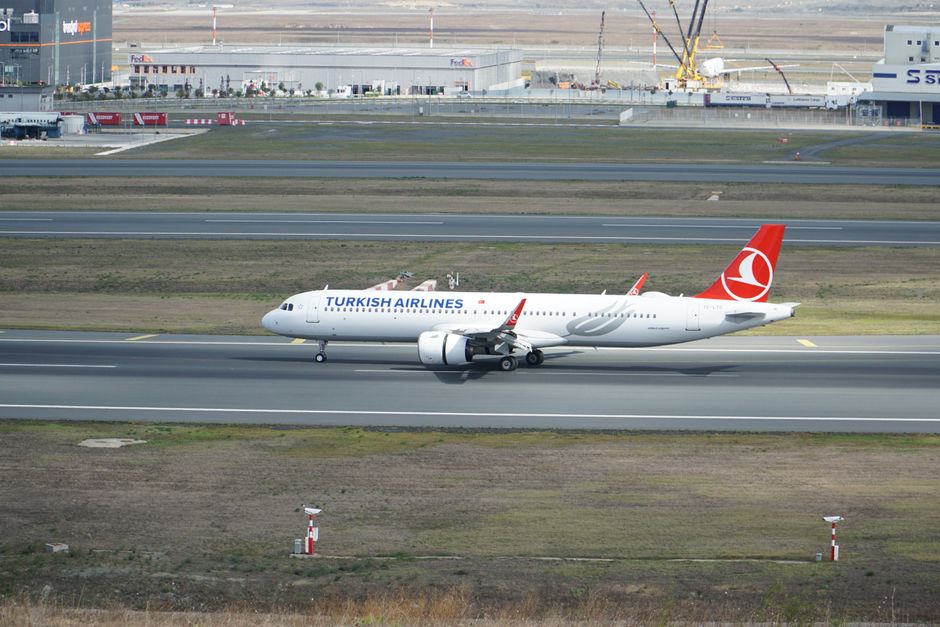
Published fare examples for spring 2026
Low fares exist on both sides, but they describe different bundles of service. Eurostar has published 2026 examples from €19 between Cologne and Brussels, from €29 on selected Paris, Brussels, Amsterdam, and nearby routes, and from €44 for selected Brussels-to-London journeys. These are limited fares, subject to availability, and not a promise for every spring date. TGV INOUI does not use one simple Europe-wide starting fare because price changes by route, booking time, and fare type.
Airline prices also rise as seats and convenient departure times disappear. Ryanair’s basic allowance includes one small personal item measuring 40 x 20 x 25 cm. A 2026 Ryanair fare example lists Priority and two cabin bags at €17, but the charge varies by route, date, and booking stage. easyJet’s standard fare includes one small under-seat bag measuring 45 x 36 x 20 cm; a 23 kg hold bag is included in some bundles but costs extra on the basic fare.
Compare the bundle, not the headline number
| Option | Published or typical fare detail | Baggage detail | Best use |
|---|---|---|---|
| Eurostar Standard | Selected 2026 fares from €19, €29, or €44 one way | More generous train-style luggage allowance; check route rules | City-centre trips between France, Belgium, the Netherlands, Germany, and London |
| TGV INOUI | Dynamic price by route and booking date | Two suitcases plus one small item on many services; no general weight limit if you can carry it | France and connected European routes with bulky luggage |
| Ryanair Basic | Fare changes by route; a 2026 Priority example was €17 | One 40 x 20 x 25 cm personal item included | Longer routes where the total remains low after transfers |
| easyJet Standard | Dynamic fare; early booking usually gives more choice | One 45 x 36 x 20 cm under-seat bag; hold luggage is normally extra | Travellers packing very light from a convenient airport |
The clear verdict is Eurostar or TGV INOUI for a city-centre itinerary with a medium suitcase, and Ryanair or easyJet only when you can use the included small bag and the airport transfer is short. Add airport transport, seat selection, cabin or hold baggage, food, and one realistic delay buffer before declaring a flight cheaper.
When a budget flight is the smarter buy
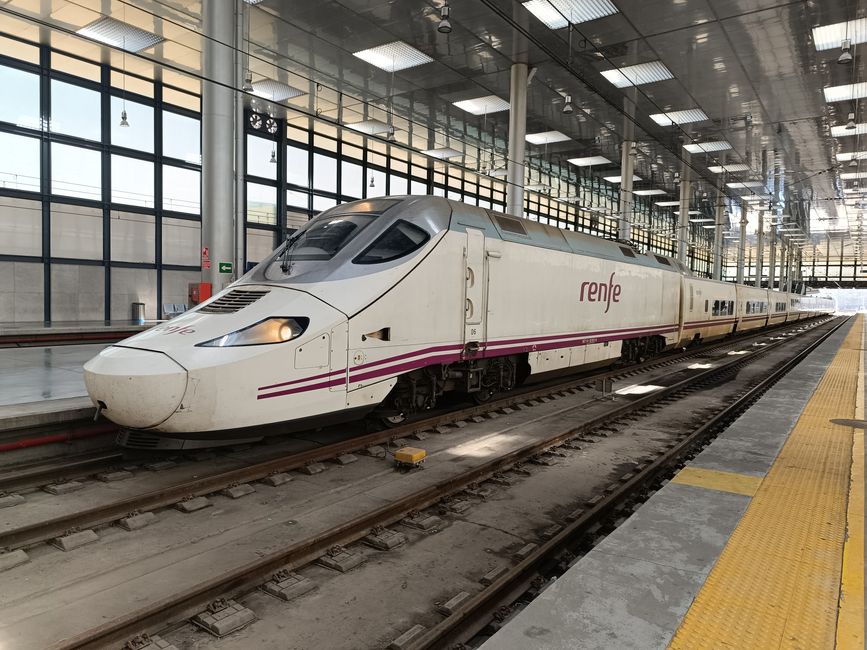
The verdict for long or poorly connected routes
Choose a budget airline when the rail journey takes most of a day, requires several separate tickets, or forces an expensive overnight stop. For example, a direct flight can make more sense than a 12-hour rail itinerary between distant regions, especially when the airport is close to home and the destination airport has a cheap, direct city connection. Ryanair is the stronger low-cost choice for a traveller who can fit everything into a 40 x 20 x 25 cm personal item and can accept a secondary airport; easyJet is the better fit when its 45 x 36 x 20 cm bag allowance works and its airport has the simpler transfer.
Pay for the right bundle once
The airline choice stops being cheap when the traveller adds a 20 or 23 kg bag, a cabin trolley, a selected seat, priority boarding, airport parking, and a meal. Buy these items during the initial booking if you need them, because airport prices can be higher and availability can be limited. A flight is also the clear choice for islands, remote coastal regions, and routes where rail requires a long detour. That verdict is firm: use the plane for distance and weak rail geography, but do not use it for a short city-centre hop just because the first search result shows a lower fare.
How to book without getting punished by fees
A five-step fare check
- Measure the complete journey. Record the time and cost from your door to the departure station or airport, then from arrival point to the hotel. Include public transport, taxi fares, parking, and a realistic buffer.
- Set the baggage requirement first. Measure your actual bag. A Ryanair personal item must fit 40 x 20 x 25 cm, while an easyJet small bag must fit 45 x 36 x 20 cm. Do not assume a soft bag will be accepted because it looks small.
- Check change and cancellation rules. A low non-refundable fare can cost more than a flexible rail ticket when spring weather, illness, or a family event changes the plan. Read the exact fare conditions before payment.
- Inspect the transfer. Search the route from the airport station to the city centre at the actual arrival time. A €25 flight followed by a €25 transfer is not a €25 journey.
- Recheck the final basket. Compare two passengers, the same luggage, the same departure day, and the same payment currency. Save a screenshot or PDF of the conditions and booking reference.
Do not confuse insurance with a refund promise
Travel insurance can cover some medical costs, baggage losses, or named delays, but a policy does not automatically refund every missed connection or cheap fare. Read exclusions for strikes, pre-existing conditions, alcohol-related incidents, unattended bags, and supplier failure. For U.S. residents, premiums vary by state and individual factors, and state-specific sales disclosures or coverage rules may apply; check the policy issued for your residence state rather than relying on a generic quote. AM Best ratings can help assess an insurer’s financial strength, while J.D. Power scores may show customer-service patterns, but neither rating proves that a particular rail or airline claim will be paid. Get multiple quotes when insurance is worth buying, then compare the covered event, excess, and claim limit instead of choosing by brand name.
Which option should you choose for your spring route?
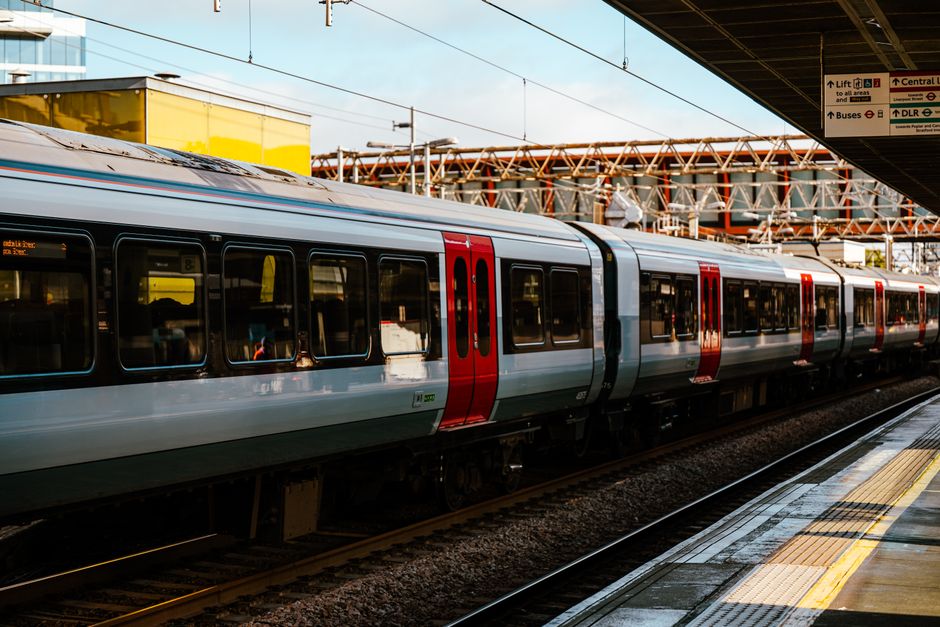
Is rail better for a two- or three-night city break?
Yes, when the train runs from one central station to another in about five hours or less. Eurostar is the specific pick for selected London, Paris, Brussels, Amsterdam, and Cologne routes because its published spring and summer 2026 fares show that early booking can produce prices from €19, €29, or €44 on qualifying journeys. TGV INOUI is the specific pick for France and nearby international routes when luggage space and station access matter more than finding the lowest possible headline fare.
When should a traveller book the flight?
Book Ryanair when the total price stays lower after adding airport transfers and the personal item fits its 40 x 20 x 25 cm limit. Book easyJet when the 45 x 36 x 20 cm small bag works and the airport offers a clean, low-cost route to the destination. For a checked bag, price the airline bundle against a rail fare before payment; a train’s ability to carry two suitcases and a small item can erase the airline’s initial advantage.
What is the clearest decision rule?
Choose rail for short cross-border city pairs, heavy luggage, groups, and trips where the first day matters. Choose the budget airline for long distances, islands, remote destinations, and routes with no practical rail connection. Leave margin for spring disruption, avoid separate-ticket connections with no buffer, and treat every promotional fare as limited inventory rather than a guaranteed price.
Most important takeaway: compare door-to-door time and all-in baggage costs first, then choose rail for city-centre spring trips and a budget airline only when its total price clearly wins.