 By Laura Caiswell
Three days before a flight to Southeast Asia, I walked into a travel clinic expecting a quick top-up. My nurse told me my Typhoid shot had expired two years earlier and that Japanese Encephalitis required 28 days to complete. The trip didn’t get cancelled — but it cost me $400 in rushed appointments and a lot of unnecessary stress.
The core problem: vaccine durations range from two years to lifetime, and most travelers have no idea where they stand.
How Long Each Common Travel Vaccine Actually Lasts
These durations reflect CDC and WHO guidance current as of 2026. The variation is wider than most people expect.
| Vaccine | Brand Names | Duration | Booster Required? |
|---|---|---|---|
| Hepatitis A | Havrix, Vaqta, Twinrix | Lifetime (after 2-dose series) | No, once series complete |
| Hepatitis B | Engerix-B, Recombivax HB, Twinrix | Lifetime (after 3-dose series) | Usually no; titer check for high-risk |
| Typhoid — injectable | Typhim Vi | 2–3 years | Yes, every 2–3 years |
| Typhoid — oral | Vivotif | 5 years | Yes, repeat 4-capsule course |
| Yellow Fever | Stamaril, YF-Vax | Lifetime (single dose) | No (WHO revised 2016) |
| Japanese Encephalitis | Ixiaro | ~1 year initially, then 10 years post-booster | Yes — 12-month booster, then every 10 years |
| Rabies (pre-exposure) | Rabipur, Imovax | Titer-dependent; ~2 years for high-risk | Check antibody levels annually if high exposure |
| Meningococcal ACWY | Menactra, Menveo, MenQuadfi | 5 years | Yes, especially for Hajj/Umrah travel |
| Cholera | Dukoral | 2 years (adults) | Yes, single booster dose |
What “lifetime protection” actually means
For Hepatitis A and B, lifetime immunity is backed by studies showing antibody persistence decades post-vaccination in healthy adults. If you’re on immunosuppressants or had certain illnesses, your doctor may order a titer check before travel regardless.
The Ixiaro schedule catches people off guard
Japanese Encephalitis via Ixiaro requires two doses 28 days apart, then a booster at 12 months. Only after that 12-month booster does protection extend to roughly 10 years. Miss that booster and you may be significantly under-protected — even if the initial series was years ago.
Yellow Fever: The One Certificate That Can Get You Denied at the Border

Yellow Fever is the only vaccine tied to a mandatory entry document: the International Certificate of Vaccination or Prophylaxis (ICVP), commonly called the Yellow Card. No card, no entry — some countries will quarantine you or vaccinate you at the airport on arrival under conditions you won’t enjoy.
Before 2016, Yellow Cards expired every 10 years. The WHO updated this: a single dose of Stamaril or YF-Vax now confers lifetime immunity and certificates no longer expire. The problem? Not every country follows the 2016 revision. Angola, Cameroon, and several others maintain older 10-year requirements at their own borders.
Countries with strict Yellow Fever entry rules
Entry requirements split into two categories. First: countries in risk zones (Sub-Saharan Africa, tropical South America) that require proof if you’re arriving from another at-risk country. Second: countries like Ghana, Mali, Niger, and Sierra Leone that require proof from all travelers regardless of origin — even if you flew in from London. Your routing matters. A London to Lagos flight triggers a different requirement than a Nairobi to Lagos connection.
Check the Timatic database (the system airlines use) or IAMAT for your specific itinerary before booking. A travel clinic can also run this check for you.
Where you can actually get the vaccine
Yellow Fever can only be administered at an authorized vaccination center — not every clinic qualifies. In the US, find one through the CDC’s vaccine finder. In the UK, look for NATHNAC-registered centers. Allow at least 10 days before travel: the certificate is only valid starting 10 days post-vaccination.
The Three Vaccines Worth Getting Once and Forgetting
Hepatitis A (full two-dose series with Havrix or Vaqta), Hepatitis B (three-dose series with Engerix-B or Recombivax HB), and Yellow Fever (single dose of Stamaril or YF-Vax) all provide lifetime protection in healthy adults. Get them done, keep the records, move on.
If you can’t prove you completed the Hepatitis A series, most travel doctors will simply re-vaccinate. A second Hep A dose is harmless. Don’t waste time tracking down decade-old records — just redo it.
When Childhood Vaccines Stop Protecting You Abroad
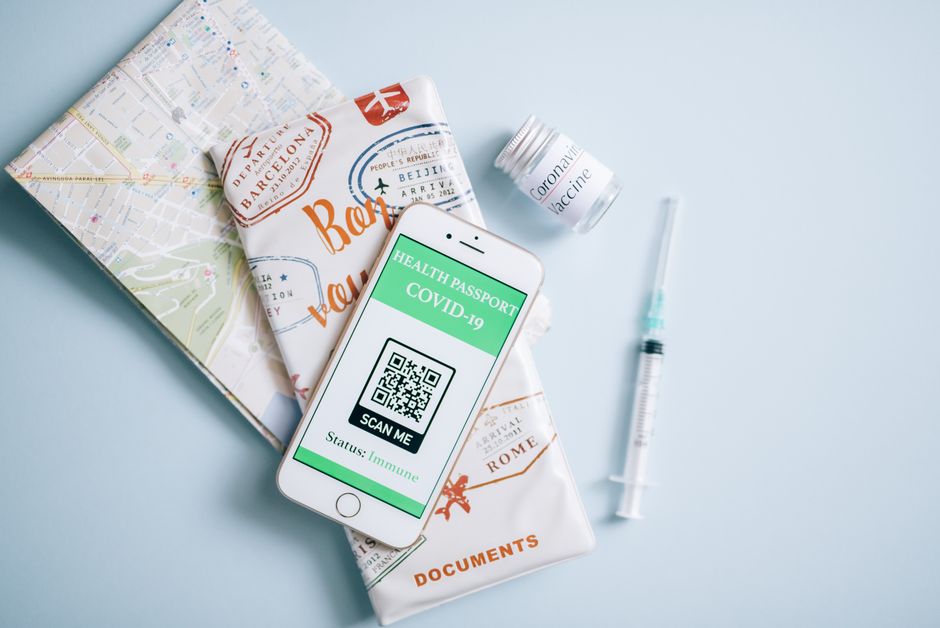
Adults routinely assume their childhood immunizations are still active. Some are. Some have been quietly expiring for years without anyone noticing.
Tetanus and diphtheria (Td/Tdap)
Td boosters are recommended every 10 years. If your last tetanus shot was in 2012, you’re overdue. The Tdap version adds pertussis coverage and is recommended once in adulthood — after that, standard Td every decade is sufficient. A deep wound in a rural area with limited medical care is not where you want to discover your tetanus lapsed.
Polio
Polio persists in Afghanistan and Pakistan and occasionally resurfaces elsewhere. CDC recommends one adult IPV booster for travelers to endemic areas, even if you were vaccinated as a child. No further boosters are needed after that single adult dose.
Measles (MMR)
People born between 1957 and 1989 may have received only one MMR dose, which offers roughly 93% protection versus 97% from two doses. Active measles outbreaks flare regularly in parts of Europe, Africa, and Southeast Asia. If you’re uncertain how many doses you received, a blood titer test ($30–50) confirms immunity before you commit to re-vaccination.
Timing: How Early You Need to Start Before Your Trip
Booking a travel clinic appointment the week before departure is too late for most vaccines. Here’s the realistic lead time each one requires:
- Hepatitis A (Havrix/Vaqta): One dose provides partial protection within 2–4 weeks. The second dose follows 6–12 months later for lifetime coverage. Get dose one as early as possible — even partial protection is better than none.
- Typhoid injectable (Typhim Vi): Single shot, needs at least 2 weeks before exposure. Easiest to fit in close to departure.
- Typhoid oral (Vivotif): Four capsules taken every other day over one week. Complete the course at least 7 days before potential exposure. Start 2 weeks before travel to build in a buffer.
- Japanese Encephalitis (Ixiaro): Two doses, 28 days apart. If your departure is in 3 weeks, this vaccine is effectively off the table — you won’t complete the series in time.
- Rabies pre-exposure (Rabipur/Imovax): Three doses over 21–28 days. Minimum 4 weeks lead time.
- Yellow Fever (Stamaril/YF-Vax): Single dose, but the ICVP certificate only activates 10 days later. Book at least 2 weeks before departure to stay legal at the border.
- Meningococcal (Menactra/Menveo): Single dose, effective within 7–10 days. The most forgiving vaccine to fit in last-minute.
Practical rule: visit a travel clinic 6–8 weeks before departure. For complex itineraries covering multiple risk regions, go 10–12 weeks out.
Booster vs. New Series: Questions Travelers Get Wrong
Do I restart the whole series if I missed a dose years ago?
No. Vaccine series don’t reset because of a gap. You pick up where you left off. Two of three Hepatitis B doses completed five years ago? You need only the third dose. The same rule applies to Rabies pre-exposure and Hepatitis A. No one makes you start over.
When a titer test makes more financial sense than re-vaccinating
A Hepatitis B titer test costs $30–50. The vaccine itself runs $80–120 per dose. If you completed a full series and aren’t sure whether immunity persists, the titer test is cheaper than an unnecessary booster. The same logic applies to Measles and Rabies pre-exposure for high-risk travelers. For Typhoid and Cholera, the vaccines are cheap enough that titer testing doesn’t save money — just re-vaccinate.
What about records you can’t find?
For Hepatitis A, B, and Measles: get a titer test. For Yellow Fever: there’s no quick titer option that’s widely available — most clinics will re-vaccinate, which is safe. For everything else, re-vaccination is low-risk and usually faster than tracking down records from a childhood clinic that may no longer exist.
Duration Summary: What to Check Before Every Trip
- Lifetime (no further action needed): Hepatitis A — full 2-dose series (Havrix, Vaqta); Hepatitis B — full 3-dose series (Engerix-B); Yellow Fever (Stamaril, YF-Vax)
- Every 10 years: Tetanus/Diphtheria (Td); Japanese Encephalitis after 12-month booster (Ixiaro)
- Every 5 years: Meningococcal ACWY (Menactra, Menveo); oral Typhoid (Vivotif)
- Every 2–3 years: Injectable Typhoid (Typhim Vi); Cholera (Dukoral)
- Titer-dependent: Rabies pre-exposure (Rabipur, Imovax) — annual check for high-exposure travelers; Hepatitis B for immunocompromised individuals